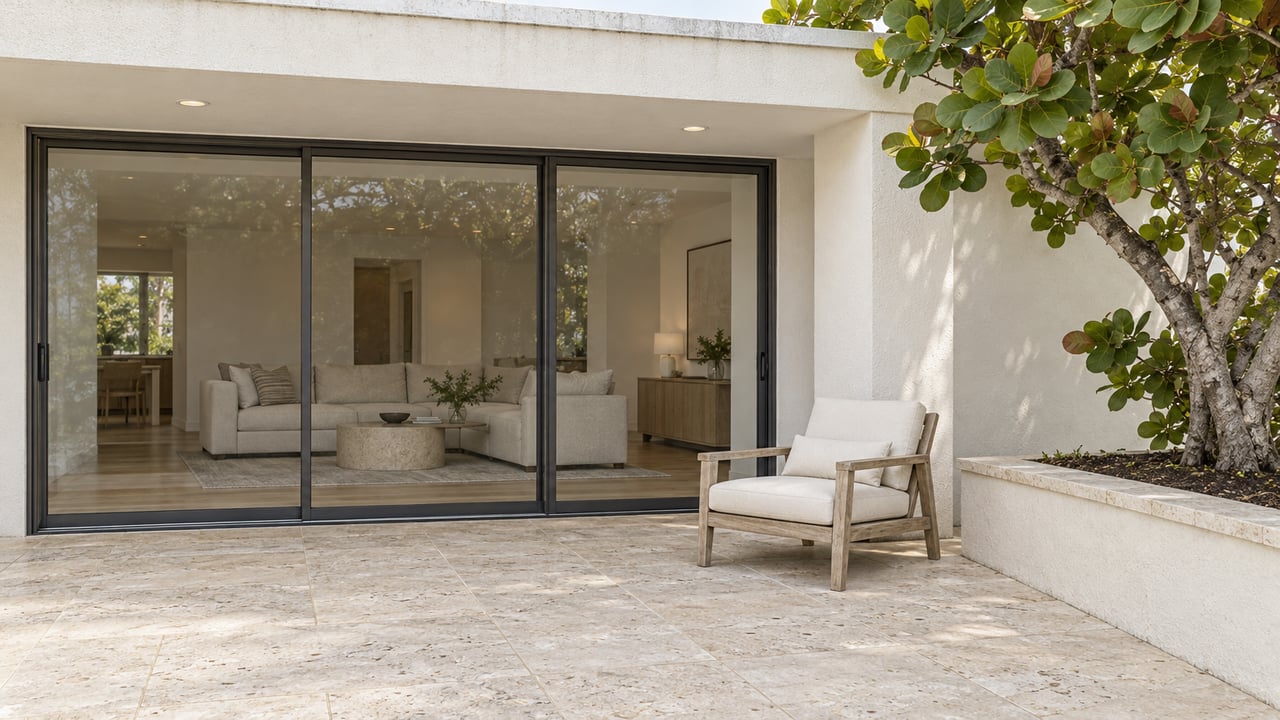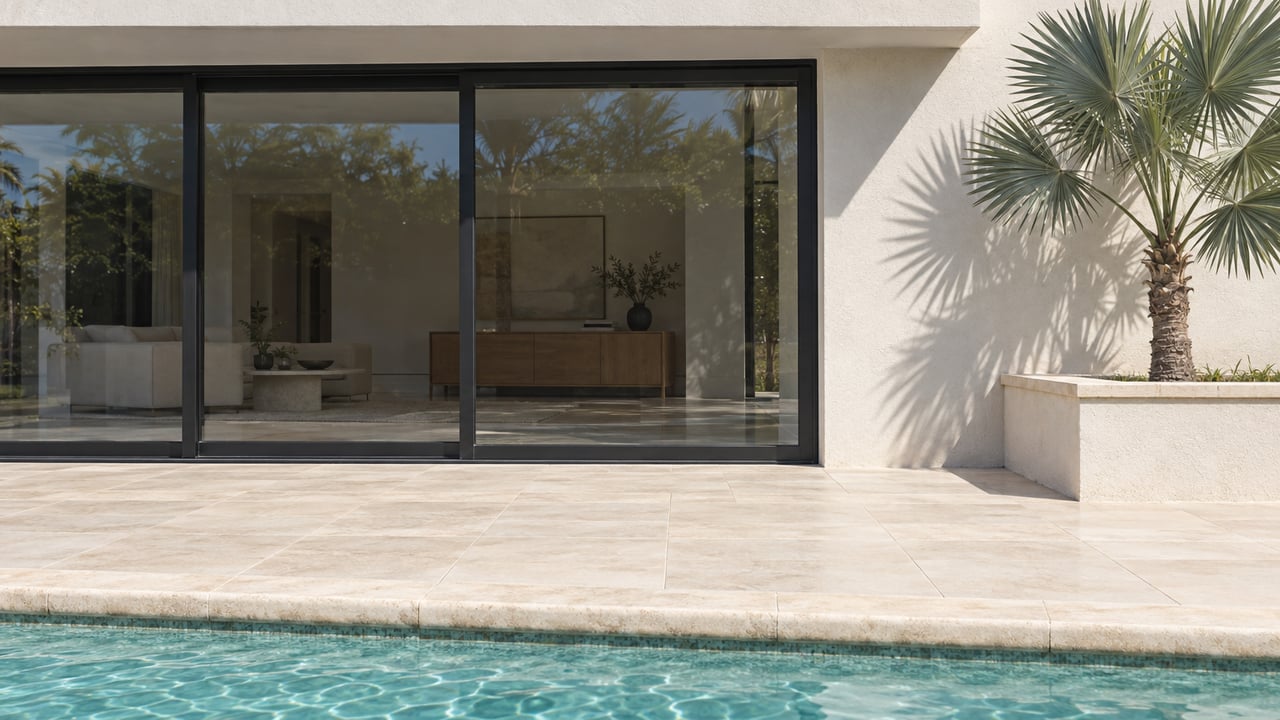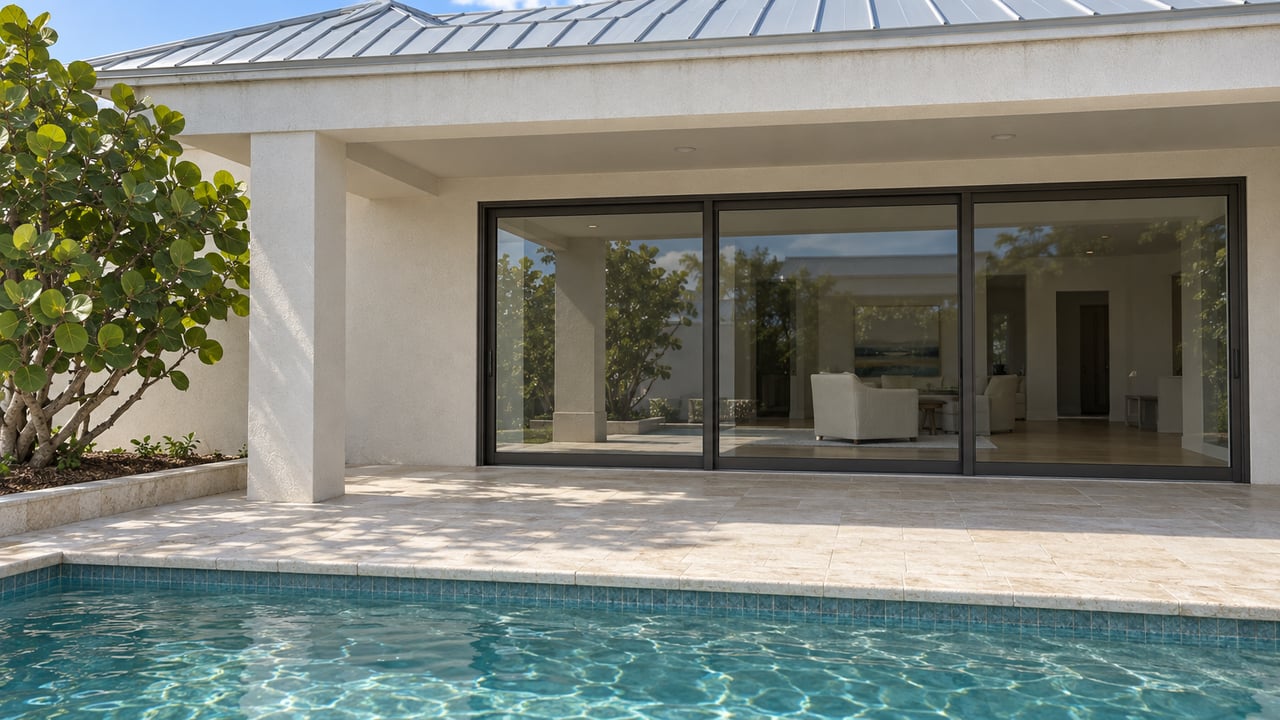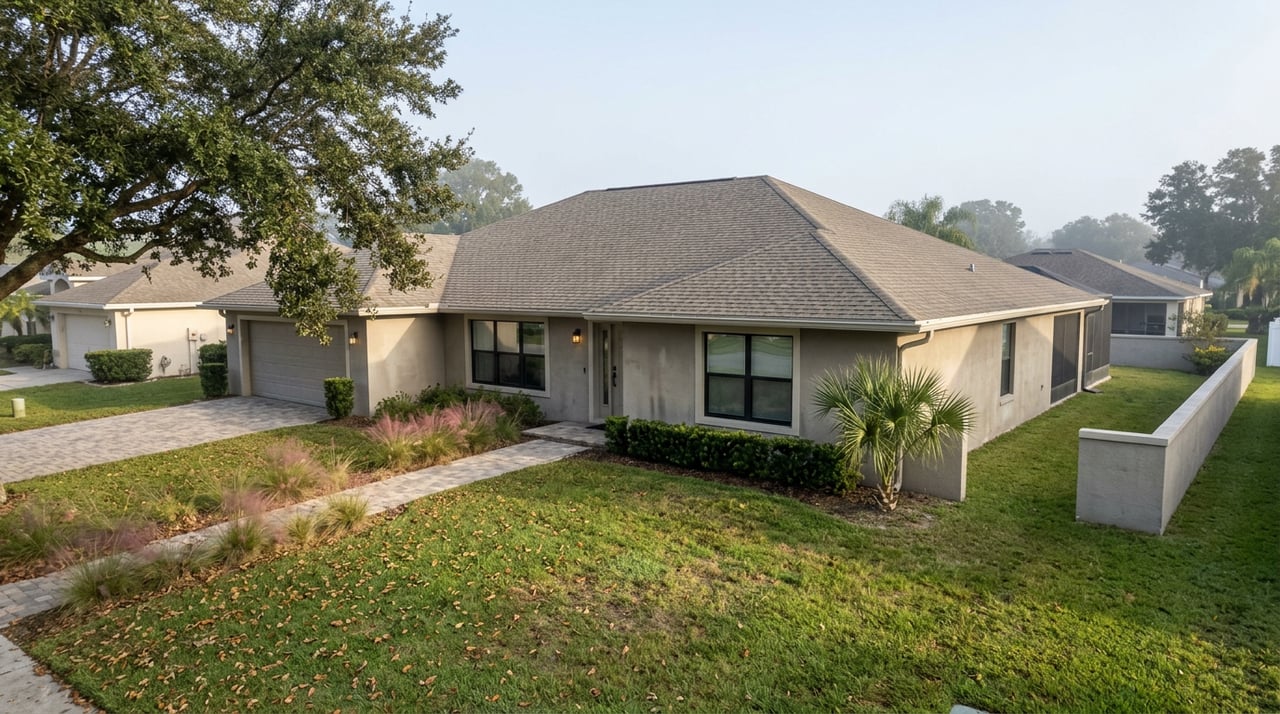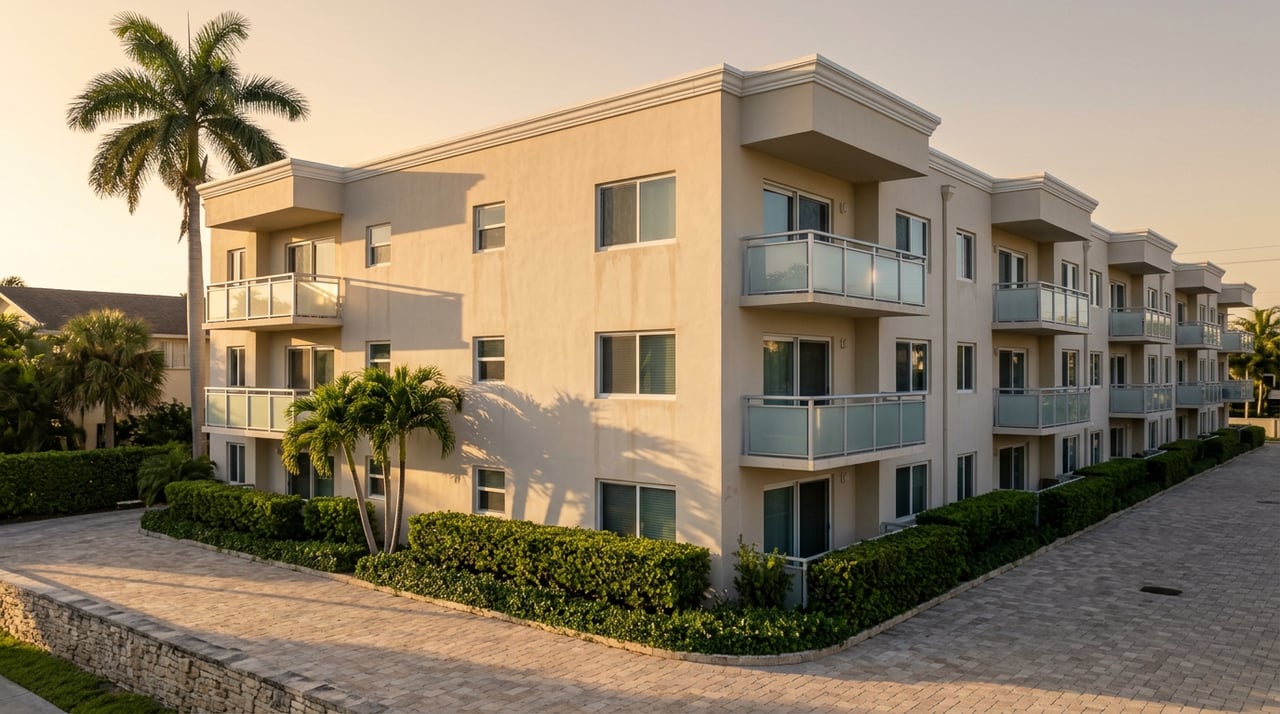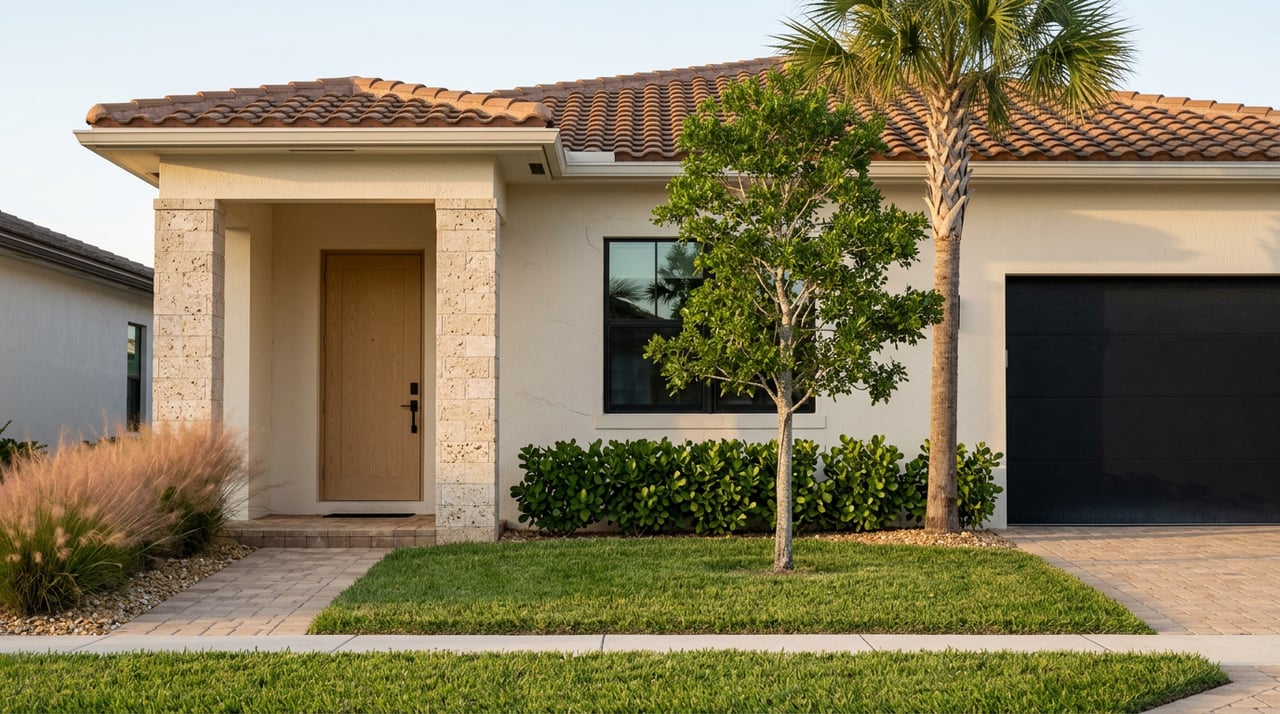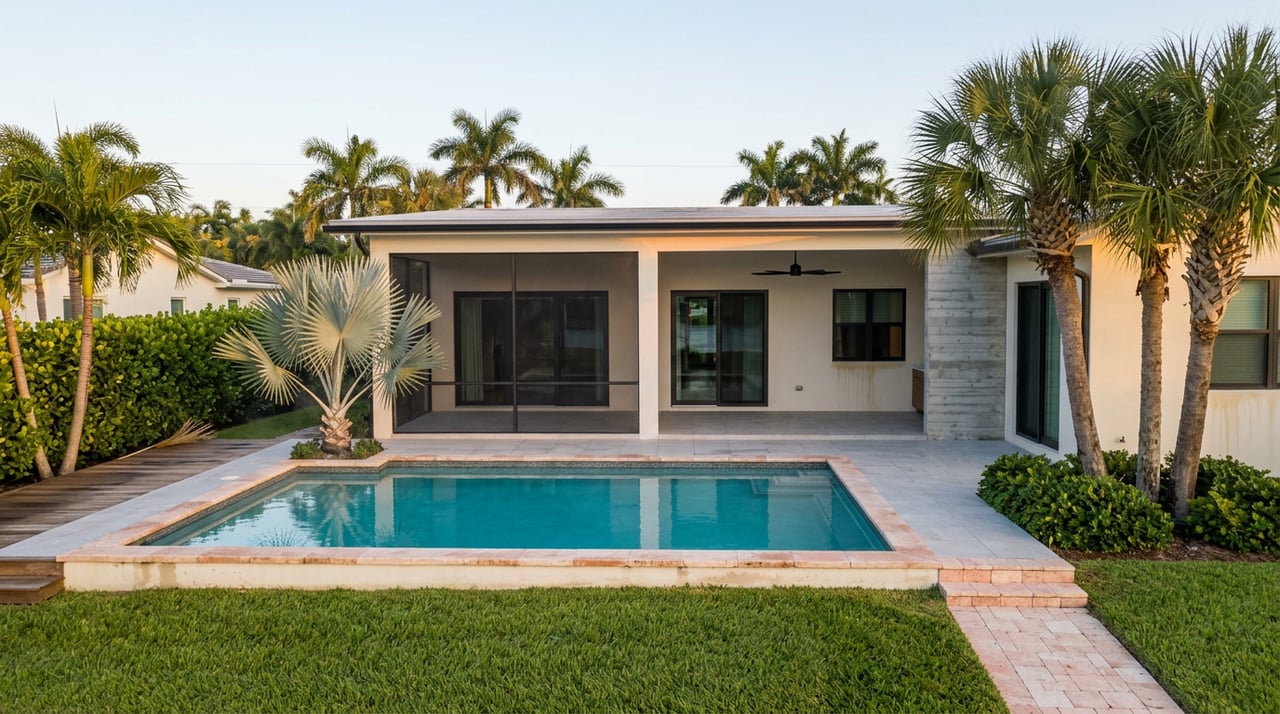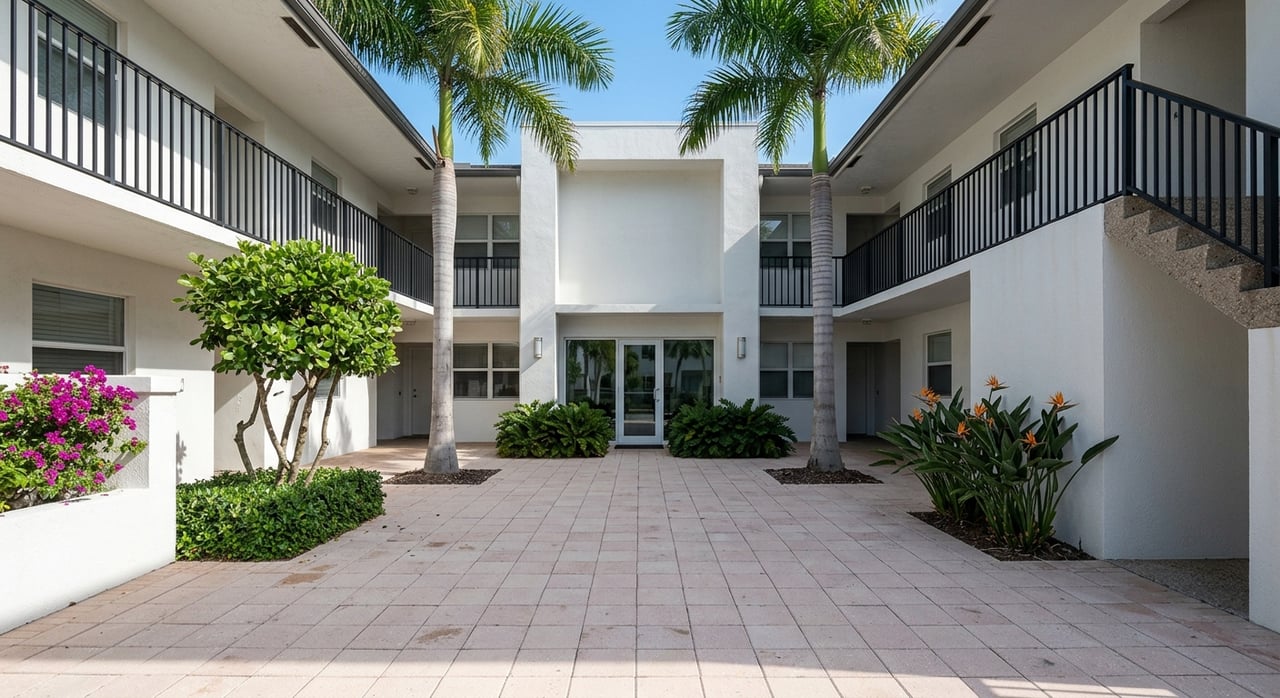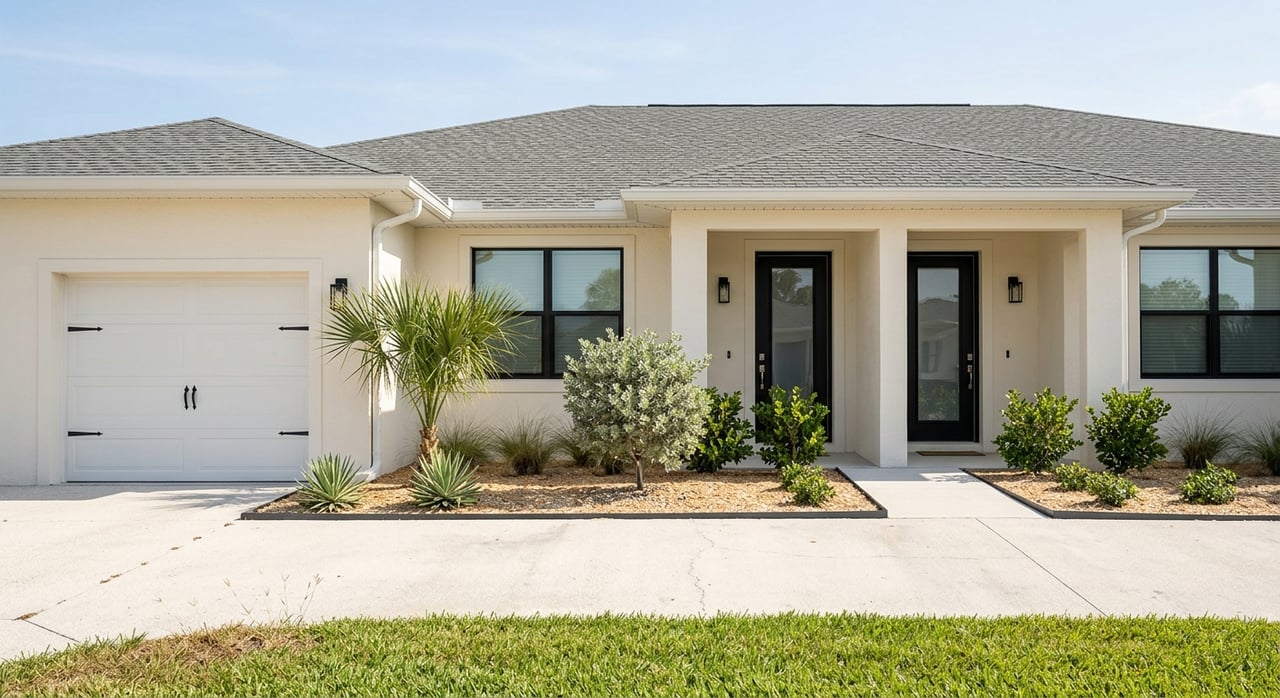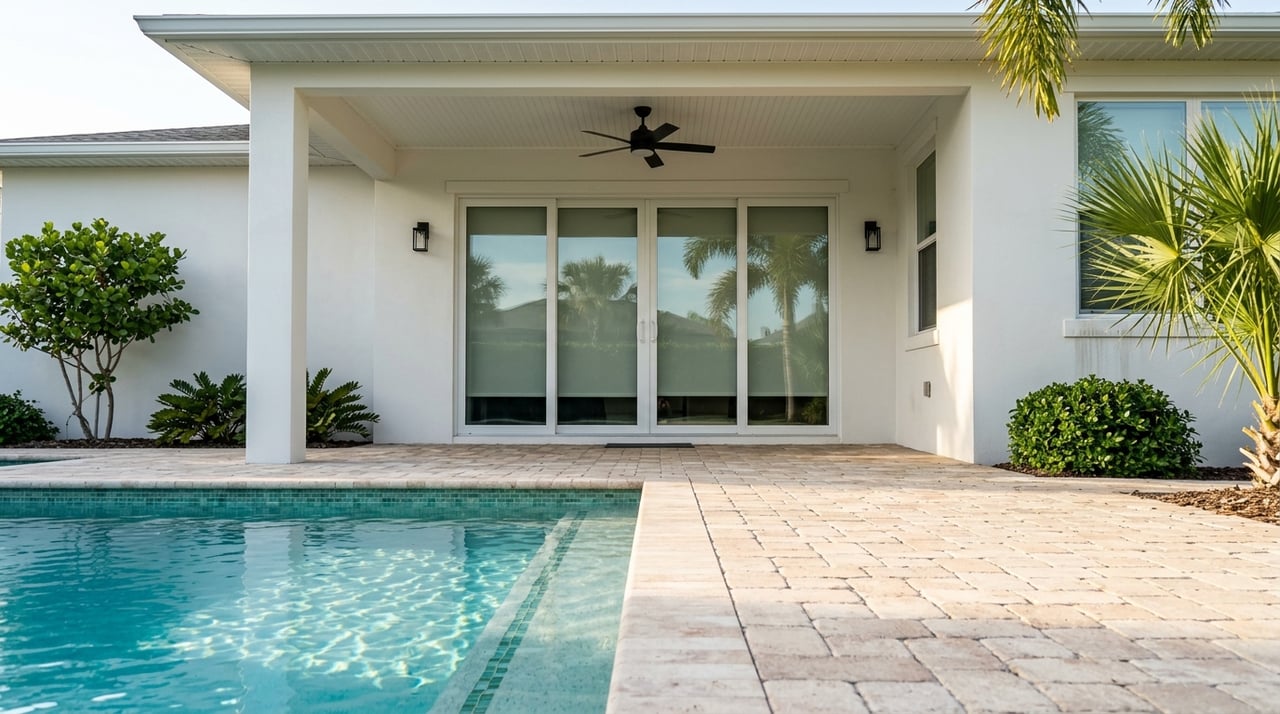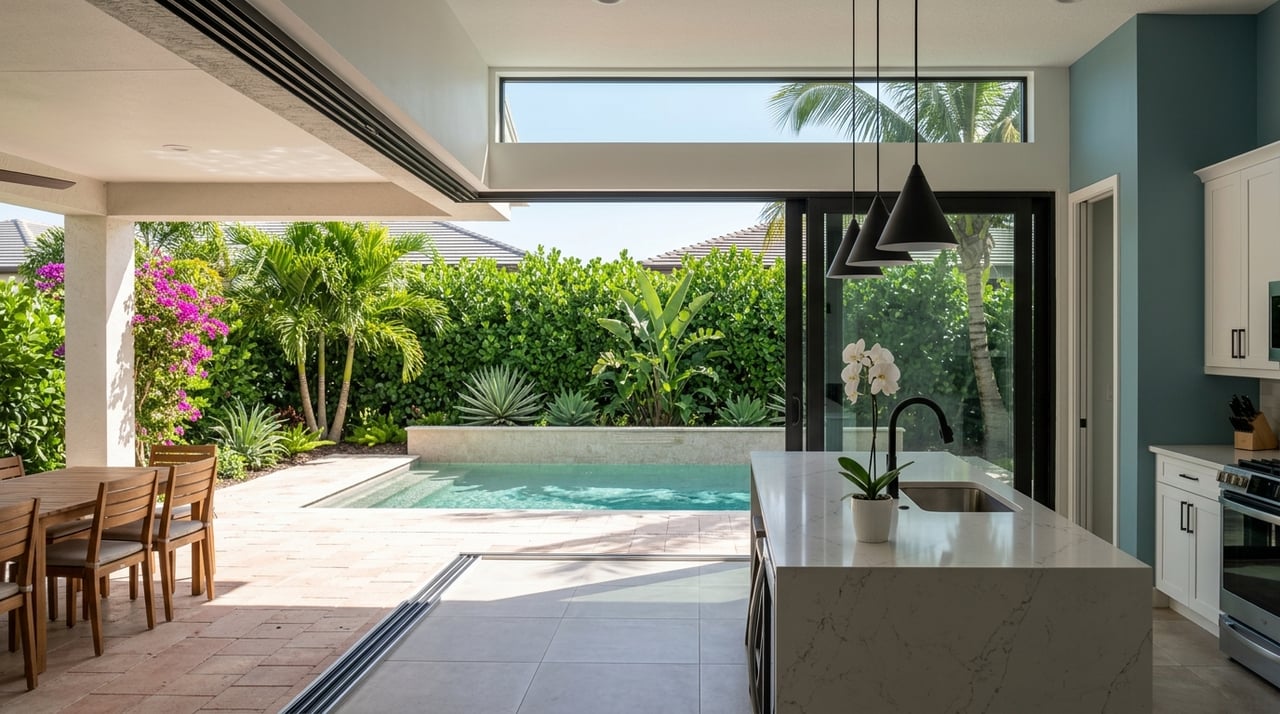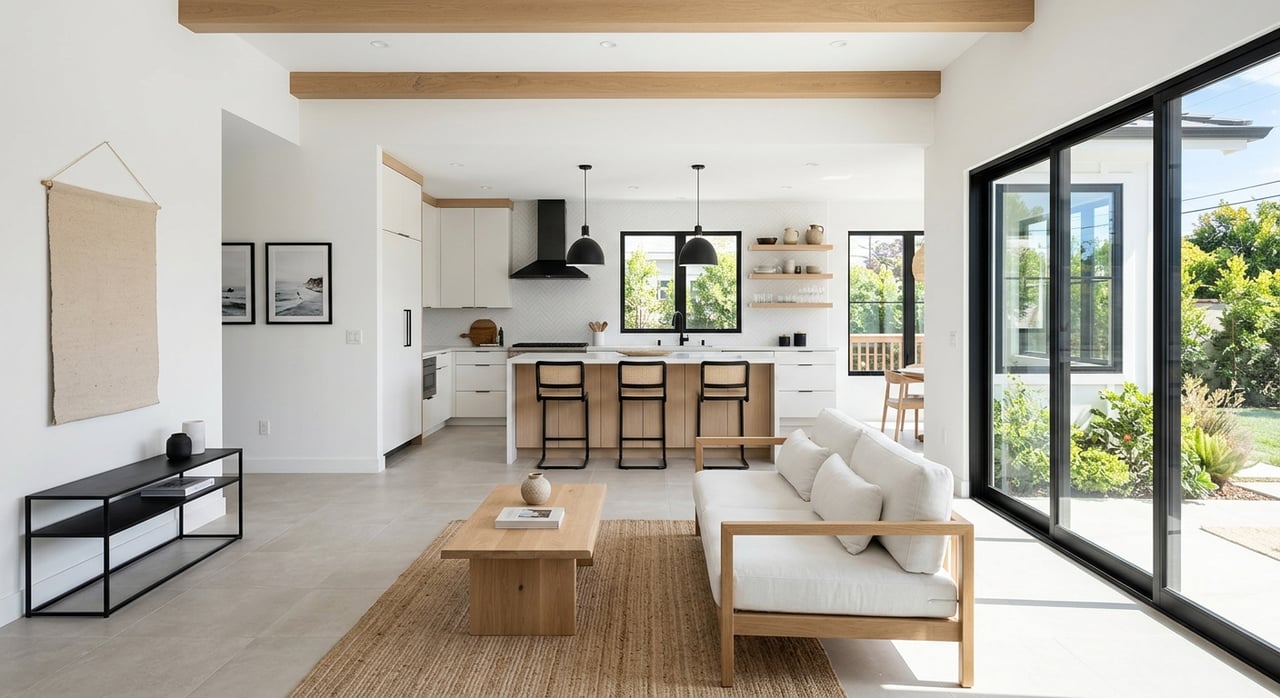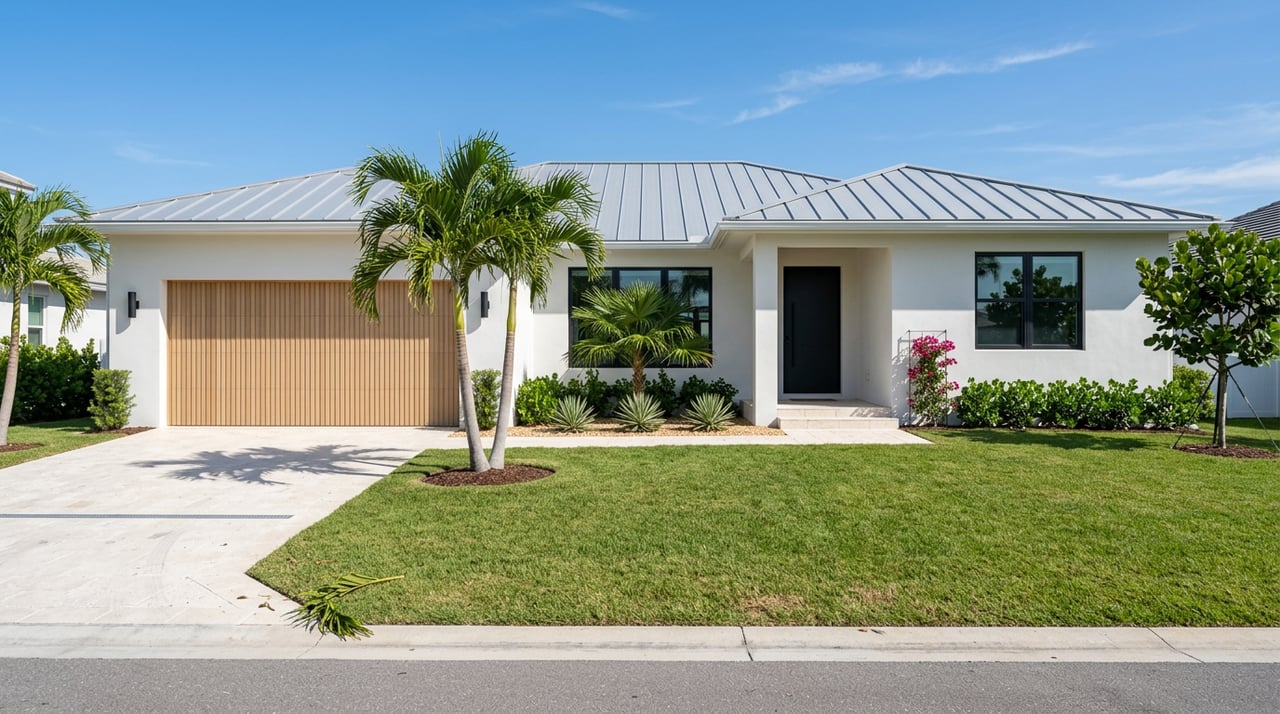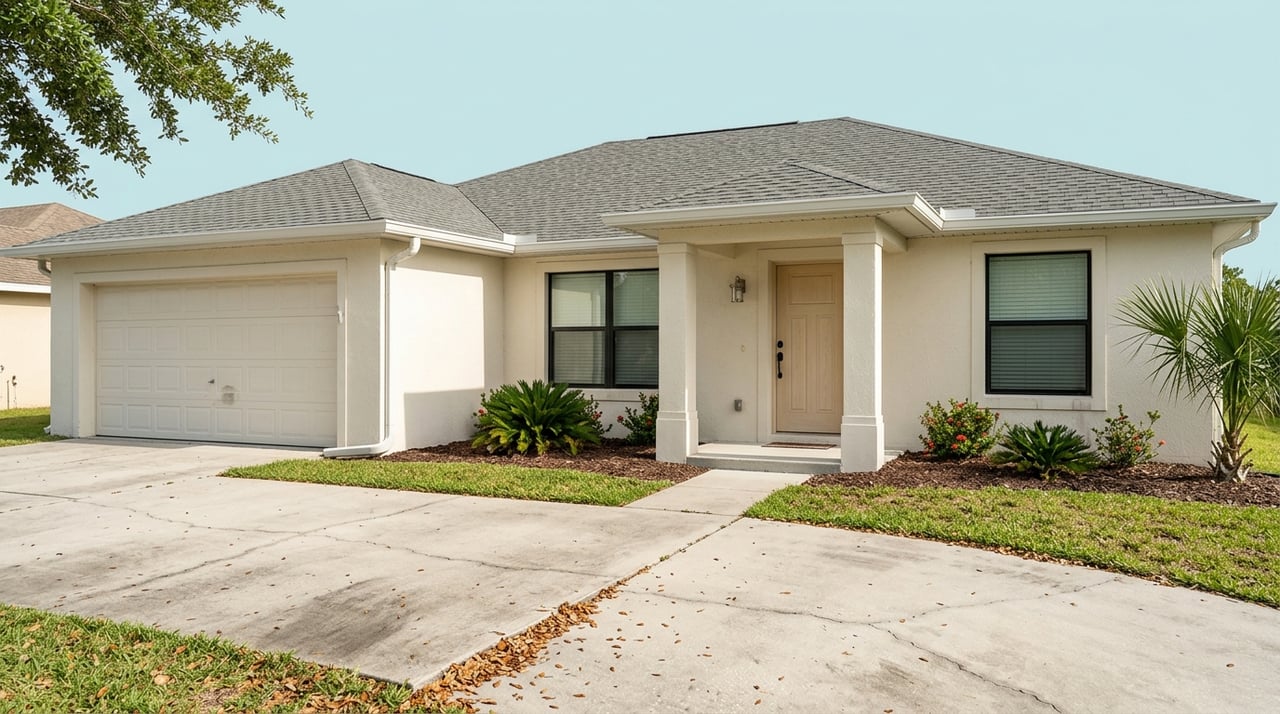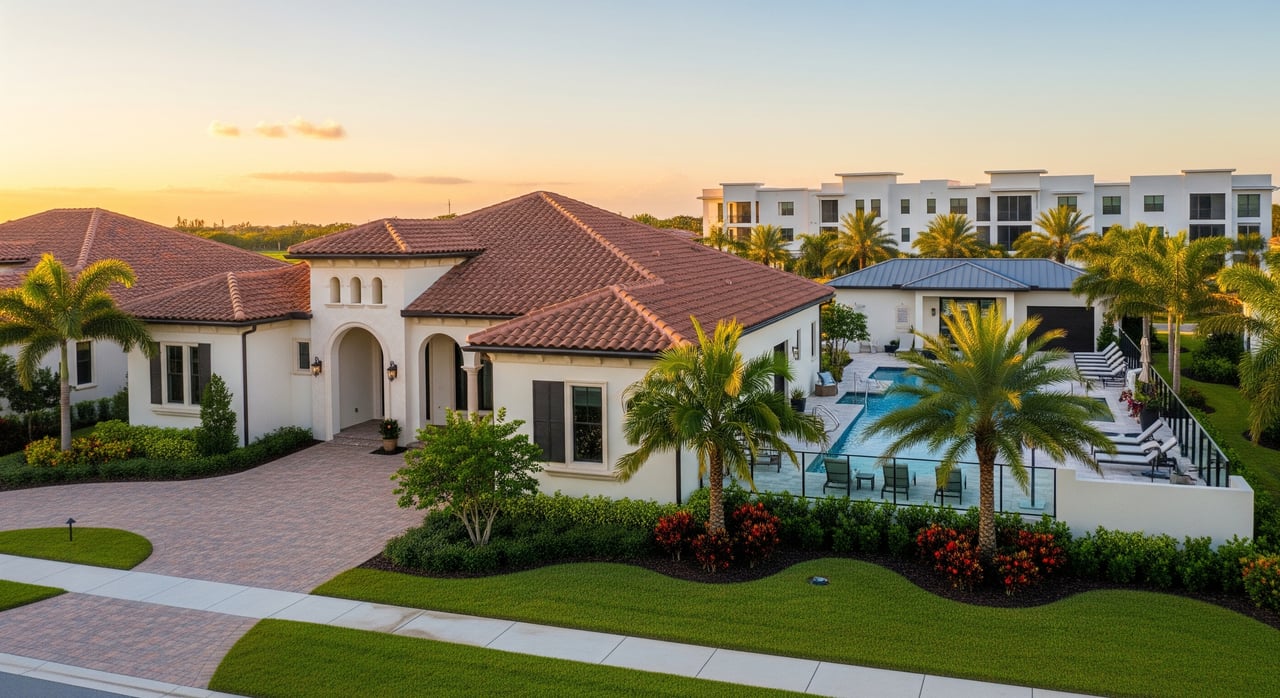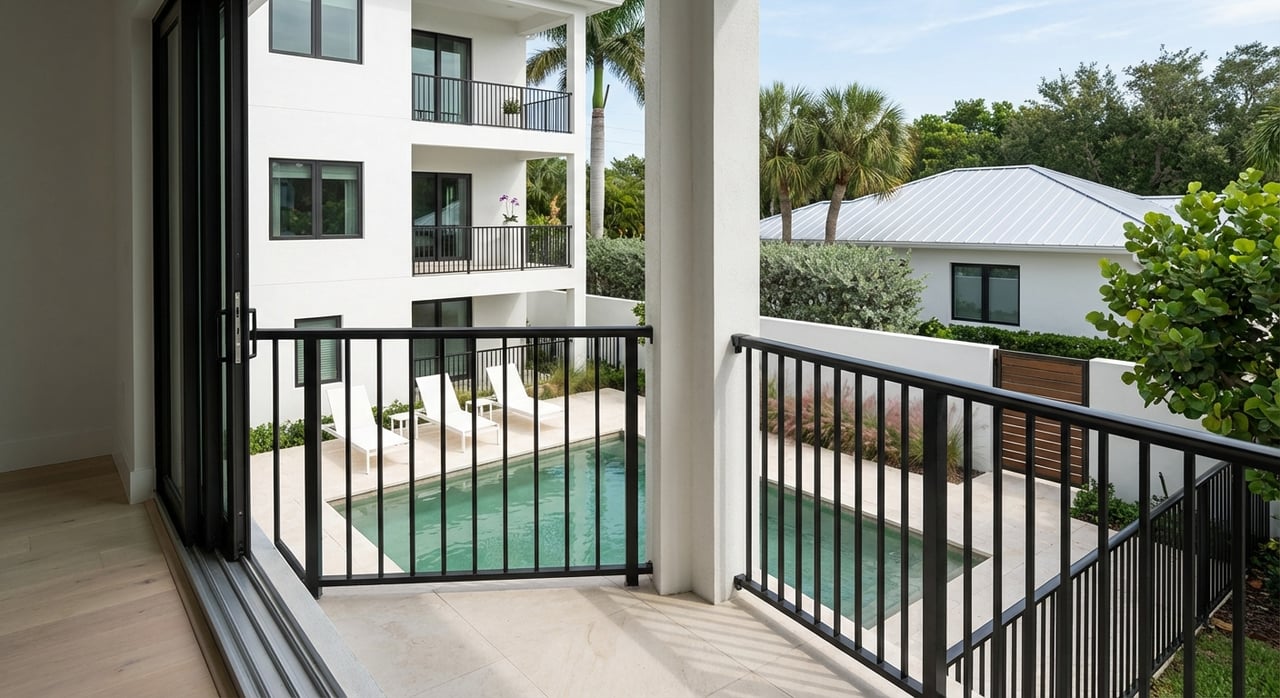
Thinking about a home in Naples but torn between a single-family house and a condo? You are not alone. Many buyers love the idea of a low-maintenance condo near the beach, while others want the freedom and space of a private yard. This guide walks you through the real differences in cost, rules, insurance, and financing so you can choose with confidence. Let’s dive in.
Start with the right Naples map
The ZIP code 34101 is a downtown Naples PO box ZIP, not a typical residential area. That means most buyers who want to live near Old Naples, the beaches, or Fifth Avenue South look in nearby street-delivery ZIPs like 34102, 34103, and 34108. If you see 34101 in a listing, know it refers to mailing only, not a neighborhood. You can confirm that detail on the 34101 ZIP profile.
You will also notice a split in recent local market patterns. According to ongoing reporting from the Naples Area Board of REALTORS, single-family homes and condos have moved differently at times, with inventory rising and days on market lengthening from the pandemic peak. That shift gives you more choice and time to compare options. You can review the latest numbers on the NABOR market statistics page before you decide.
What changes when you choose a condo vs a house
Maintenance and control
- Condos: The association usually maintains the building exterior, roof, common areas, and shared systems. You maintain your unit’s interior. These responsibilities and disclosure rules live in Florida’s Condominium Act, Chapter 718. If you want an authoritative overview of who handles what, read the Florida Condominium Act, Chapter 718.
- Single-family homes: You control the property and handle all upkeep, from landscaping to exterior systems and insurance. If the home sits in an HOA, the community rules may require certain standards or approvals. The upside is autonomy. The tradeoff is time and budget for maintenance.
Dues, reserves, and special assessments
Monthly fees in Naples vary by amenities and building type. Condos can range from a few hundred dollars per month in modest communities to well over $1,000 in luxury towers with on-site staff and robust amenities. Single-family HOAs also vary, and golf or club communities may add separate fees. The key is to read the budget and the reserve study before you buy.
Florida now requires milestone structural inspections for many buildings three stories and higher, and it requires condo associations to complete structural integrity reserve studies. These rules have increased funding needs in older mid-rise and high-rise buildings, which can raise dues or lead to special assessments. Review the statutory language on milestone inspections, Florida Statute 553.899 to understand why your association’s reserves matter.
Rules that shape daily living
Association rules can affect pets, parking, architectural changes, short-term rentals, and leasing timelines. Before you write an offer, request the bylaws, rules, budgets, insurance certificates, recent meeting minutes, and any pending special-assessment notices. These documents help you understand lifestyle fit and future costs.
Insurance and flood realities in Collier County
Flood zones and your budget
Naples sits on the Gulf, so flood zones are part of due diligence. Lenders require flood insurance for homes or condos in Special Flood Hazard Areas. Premiums vary widely by elevation, construction type, and coverage. Always check a property’s designation on FEMA’s Flood Map Service Center and review local guidance through Collier County’s Floodplain Management.
Home insurance, wind coverage, and Citizens
Florida’s insurance market has shifted to more risk-based pricing, and some owners rely on Citizens, the state’s insurer of last resort. For certain Citizens policies, the state now requires separate flood coverage even if the property is not in a high-risk zone. That requirement affects total carrying cost. You can read the governing statute in Florida Statute 627.351.
The takeaway is simple. When you compare a house and a condo, do not look at price alone. Compare total monthly cost: mortgage, property taxes, HOA or condo dues, homeowner insurance, and flood insurance.
Financing: Why condos can be trickier
Project eligibility checks
Many condo buyers use conventional loans that follow Fannie Mae or Freddie Mac rules. Lenders must confirm the project is eligible. High investor ratios, low reserves, litigation, delinquent dues, or inadequate insurance can make financing harder or more expensive. Ask your lender to check the project early using tools like Fannie Mae’s Condo Status Finder.
FHA and VA considerations
FHA and VA both have condo requirements. FHA allows single-unit approvals in many buildings that are not fully approved, but it still checks items like reserves and owner-occupancy. If you plan to use a low-down-payment loan, make sure your lender verifies the building against HUD’s condominium approval guidance before you fall in love with a unit.
Short-term rentals near downtown Naples
Short-term rental rules affect income planning and lifestyle. Collier County has a vacation-rental registration ordinance for properties in unincorporated areas, which requires a local contact and posting the registration number in your ads. Properties inside the City of Naples are generally exempt from the county registration, but association rules still apply and may be strict. For a helpful overview, review NABOR’s summary of local ordinances.
Always confirm both the city or county rules and the building or HOA covenants before assuming you can rent short term.
Property taxes and ongoing costs
Property taxes vary by assessed value and the combined millage of Collier County, the City of Naples for in-city addresses, schools, and special districts. Millage can change annually. For parcel-level details and historical assessments, use the Collier County Property Appraiser.
When you budget, remember to include utilities, reserves for repairs, and any club or amenity dues that are not part of the monthly HOA or condo fee.
Decision framework: Which lifestyle fits you best
Use this checklist to compare a single-family home and a condo for your Naples lifestyle.
Lifestyle and maintenance
- If you want low-maintenance, lock-and-leave living, a condo often fits. The association handles exterior care, which is defined under Chapter 718. If you want a yard, privacy, and more freedom to customize, a single-family home usually wins.
Monthly carrying cost
- Build a simple worksheet. Add mortgage, taxes, HOA or condo dues, homeowner insurance, and flood insurance. In some buildings, higher dues or flood costs can erase a lower purchase price. In some single-family areas, lower dues and insurance can offset a higher price.
Insurance and risk tolerance
- If you want to reduce flood and wind exposure, look at inland locations or condos with strong mitigation and healthy reserves. Always verify the flood zone on FEMA’s site and ask for the association’s insurance certificates.
Liquidity and resale
- In many Naples neighborhoods, single-family homes are easier to finance, which can broaden your buyer pool when you sell. Condos in projects facing large reserve requirements or litigation can move more slowly until issues are resolved. Check the latest neighborhood trends on the NABOR market statistics page.
Financing constraints
- If you plan to use FHA, VA, or low-down conventional financing, confirm project eligibility early with your lender. Use the Fannie Mae and HUD tools listed above to avoid surprises.
For retirees and snowbirds
- Prioritize proximity to beaches, dining, healthcare, and ease of travel. A condo near Fifth Avenue South or the beach can be ideal for seasonal use, especially with on-site staff and security. If you prefer more space and outdoor living for guests or hobbies, a single-family home in a quiet neighborhood or gated community may be a better fit.
For move-up buyers and locals
- Think about garage space, storage, outdoor areas, and room for daily routines. Many families value the predictability of a single-family home’s maintenance and the flexibility to personalize.
How we help you choose with confidence
You should not have to decode statutes, budgets, and flood maps alone. As local advisors, we help you:
- Compare total monthly costs across real properties so you see the full picture.
- Request and review association budgets, reserve studies, insurance certificates, meeting minutes, and any special-assessment history.
- Coordinate early lender checks on condo project eligibility, including reserves and insurance.
- Verify flood zones using FEMA and review local guidance from Collier County.
- Align your lifestyle goals with neighborhoods near downtown, the beach, or preferred amenities.
If you are ready to explore Naples condos and single-family homes near downtown and beyond, reach out to Doreen Doyle | The Doyle Group for a warm, high-touch experience and clear next steps.
FAQs
What does ZIP 34101 mean for Naples homebuyers?
- ZIP 34101 is a PO box code for downtown Naples, so most residential searches focus on nearby street-delivery ZIPs like 34102, 34103, and 34108; confirm details on the 34101 ZIP profile.
How do Florida’s condo inspection and reserve rules affect me in Naples?
- Many 3+ story buildings must complete milestone structural inspections and fund structural reserves, which can raise dues or lead to assessments; see Florida Statute 553.899 and Chapter 718.
Are condos harder to finance than houses in Naples?
- Often yes, because lenders must approve the condo project; low reserves, litigation, or high delinquencies can limit options, so have your lender check the project with Fannie Mae’s tools early.
Do I need flood insurance for a Naples property near the beach?
- If the home or condo is in a Special Flood Hazard Area, lenders require flood insurance; even outside high-risk zones, Citizens policies may require flood coverage, so always check FEMA maps and your insurer.
Can I rent my Naples condo short term near downtown?
- It depends on both local rules and association covenants; Collier County requires vacation-rental registration in unincorporated areas while properties in the City of Naples are generally exempt from county registration, and many buildings set their own rental limits.