Buying a Naples condo should feel exciting, not confusing. If you are looking in 34101, you will see great options across Old Naples and the beachfront, but condo financing plays by a few extra rules. You want clear steps, realistic down payments, and a smooth path from offer to close. This guide breaks down loan options, how lenders judge a condo building, and what to collect early so you can close with confidence. Let’s dive in.
Loan types and down payments
Conventional loans in Naples
Conventional loans backed by Fannie Mae or Freddie Mac can offer as low as 3% down for eligible first‑time buyers. Many lenders in coastal Florida ask for 5% to 20% down depending on your credit, the unit’s use, and whether the building meets project standards. Lenders follow investor rules found in the Fannie Mae Selling Guide’s project standards and the Freddie Mac Seller/Servicer Guide.
FHA and VA options
FHA can be a good fit if you want a lower down payment. Typical FHA minimums are 3.5% down with qualifying credit, but the condo must be approved by HUD or qualify for a single‑unit approval. You can learn more on the HUD/FHA condominium page. If you are eligible for a VA loan, 0% down is possible, but the building must be on the VA‑approved list or pass a VA review. You can search the VA condo approval list.
Jumbo and investor loans
Many 34101 condos exceed conforming loan limits. Jumbo loans often require 10% to 25% down and can have stricter criteria for older coastal buildings. If you plan to rent out the unit, expect 15% to 25% down and higher rates. Lender appetite depends on the building’s rental rules and overall project health.
What makes a condo warrantable
Key items lenders review
Beyond your credit and income, lenders review the building to make sure it is financially and physically sound. Common checklist items include:
- Project status on FHA, VA, Fannie Mae, or Freddie Mac approval lists
- HOA budget, financials, and reserve funding levels
- Delinquency rates on owner dues and any special assessments
- Owner‑occupancy ratio and investor concentration
- Litigation that could impact finances or safety
- Percentage of commercial space or mixed use
- Master insurance policy, including wind and flood coverage and deductibles
- Building age, inspection history, and recent or planned structural repairs
- Single‑entity ownership concentration
Post‑2021, lenders and insurers increased scrutiny on older Florida coastal buildings. Strong reserves, clear inspection records, and solid insurance coverage matter more than ever.
Approval paths you may use
Most buyers benefit when the condo is already on an approved list. When it is not, some loans allow a single‑unit approval, which means a deeper review of HOA documents and insurance. These approvals often expire after 1 to 2 years, so lenders will ask for current information.
Naples factors that impact rates
Insurance and flood zones
Insurance costs in coastal Florida can be high and can change quickly. Lenders will review the master policy for adequate property and wind coverage, and they will look closely at deductibles. If the unit sits in a FEMA Special Flood Hazard Area, flood insurance is required. Check the address on the FEMA Flood Map Service Center early and review insurance conditions shared by the seller or HOA. For statewide insurance updates, the Florida Office of Insurance Regulation provides useful context.
Building age and reserves
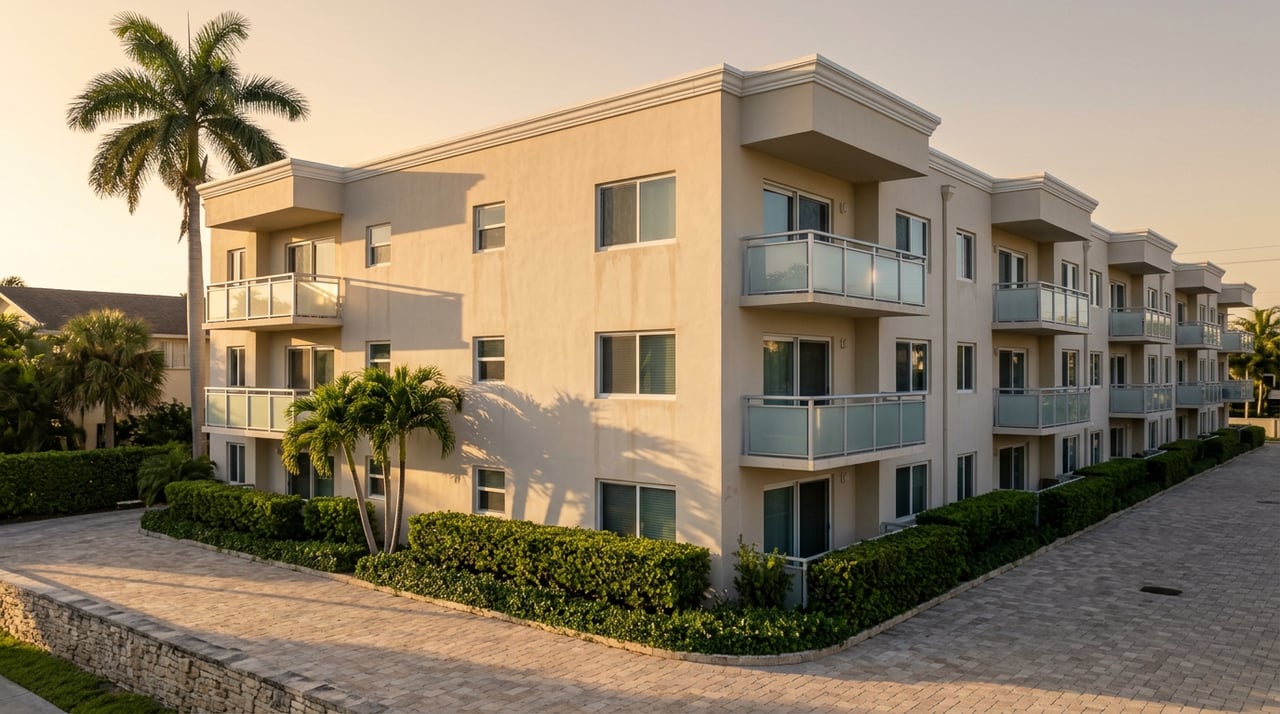
Many Naples condos were built decades ago. Older buildings can pass lender review when reserves are funded, recent inspections show sound conditions, and major repairs are addressed. Projects with deferred maintenance or thin reserves often face stricter lender conditions, higher down payments, or denial until issues are resolved.
Occupancy and rental rules
Owner‑occupancy ratios and rental limits affect loan eligibility and pricing. High investor concentration can make low down payment options harder to use. Ask upfront about rental caps and current occupancy mix so your lender can choose the right program.
Price bands and jumbo loans
In 34101, prices vary from quaint low‑rise buildings to luxury waterfront towers. Higher‑priced units often require jumbo financing, which can come with higher down payments and additional project scrutiny. You can watch pricing and inventory trends through Naples Area Board of REALTORS market reports.
Your condo financing checklist
HOA and project documents
Start collecting HOA documents as soon as your offer is accepted. Ask the seller or listing agent for:
- Current and prior year HOA budget and financial statements
- Most recent reserve study and reserve funding evidence
- Declaration/CC&Rs, bylaws, and amendments
- Master insurance certificate with coverage limits and deductibles
- Recent board meeting minutes and any notices to owners
- Details on pending special assessments or litigation
- Estoppel letter showing dues, arrears, and assessments
- Any condo conversion or phased documentation, if applicable
You can confirm public property details through the Collier County Property Appraiser and review association governance rules in Florida Statutes Chapter 718.
Your borrower documents
Have these ready to shorten underwriting:
- Photo ID and Social Security number
- Recent pay stubs, W‑2s, tax returns, and any other income proof
- Bank statements to show down payment and reserve funds
- Gift letters and donor statements if using gift funds
- Signed purchase contract and HOA contact information
Smart questions to ask lenders
- Is the building on an FHA, VA, Fannie, or Freddie approved list? When was it last certified?
- What are the reserve funding and delinquency thresholds for my loan type?
- Are there overlays for Florida coastal condos that could affect my rate or down payment?
- What insurance coverage and deductibles does the master policy need to show?
- If the project is not approved, can you do a single‑unit approval and how long will that take?
Timeline and how to move faster
If the condo is already approved, many closings follow a 30 to 45 day timeline, depending on appraisal and document speed. If the lender must review HOA documents or pursue a single‑unit approval, plan on an extra 2 to 6+ weeks. The HOA’s response time for estoppels and insurance certificates often becomes the critical path.
Use these tactics to keep your deal on track:
- Ask the listing side to order the estoppel and share HOA documents immediately after contract acceptance.
- Work with a lender that has a dedicated condo review team and Florida experience.
- If you are out of state, appoint a local contact to help gather documents quickly.
- Line up a backup loan option in case the project fails a strict review.
- For FHA or VA buyers, confirm project status before making an offer or build time into your contract for single‑unit approval.
How we help in 34101
You deserve a clear path to the closing table. Our team pairs decades of Naples condo experience with a hands‑on approach to document collection, HOA communication, and lender coordination. We flag insurance, flood, and reserve issues early, match you with lenders who know Collier County condos, and keep your timeline realistic so there are no surprises.
When you are ready to explore Old Naples, beachfront towers, or inland low‑rise options, we will help you compare buildings, understand project health, and choose a loan strategy that fits your goals. If you want a calm, informed process from offer to keys, we are here to guide you every step of the way.
Have questions about a specific building in 34101 or want a lender introduction tailored to your situation? Connect with Doreen Doyle | The Doyle Group to get started.
FAQs
What is a “warrantable” condo and why does it matter?
- A warrantable condo meets investor rules for project health, reserves, insurance, occupancy, and more, which allows lower down payments and smoother approvals.
How much do I need down for a Naples condo?
- Typical ranges are 3% to 20% for conventional, 3.5% for FHA with condo approval, 0% for eligible VA buyers with project approval, and 10% to 25% for jumbo.
Can I finance a condo that is not on an approved list?
- Sometimes, through a single‑unit approval, but it takes more documents and time, and not all loan programs allow it.
How do flood zones affect my mortgage?
- Units in FEMA Special Flood Hazard Areas require flood insurance, which increases monthly costs and can affect loan approval and pricing.
Why are insurance costs such a big factor in 34101?
- Coastal Florida has higher insurance volatility, and lenders require strong master coverage with reasonable deductibles, which impacts debt‑to‑income ratios.
What slows condo closings the most?
- Waiting on HOA estoppels, insurance certificates, or reserve documents; single‑unit approvals; and added reviews for older buildings can extend timelines.