Thinking about a condo in Lake Park, Naples but worried about fees, rules, and resale value? You are not alone. Between association budgets, insurance, rental policies, and building reserves, there is a lot to review before you commit. This guide breaks down what to check, how to estimate total cost of ownership, and how to spot a strong long-term buy in Lake Park. Let’s dive in.
Why a Lake Park condo can work
Condos can be a smart fit if you want low-maintenance living and seasonal flexibility in a coastal Naples location. Association services typically cover exterior upkeep, which means fewer day-to-day chores for you. Many buyers in Naples are part-time residents, so a lock-and-leave setup can be appealing. Just make sure the rules and costs match how you plan to use the home.
Understand your monthly and annual fees
Your recurring association fee often covers more than landscaping. Review the budget to confirm what is included and what is not.
- Exterior and common-area maintenance, including roofing, painting, and grounds
- Amenity upkeep such as pools, fitness rooms, elevators, and security
- Master building insurance for common elements and exteriors, as defined in the docs
- Utilities that may be bundled, such as water, sewer, trash, and possible cable or internet
- Professional management and administrative costs
- Reserve contributions for future capital projects
Ask for a clear list of inclusions. If utilities are not part of the fee, add those to your monthly budget.
One-time and occasional costs
Beyond monthly dues, factor in less frequent expenses that can impact your bottom line.
- Special assessments for repairs or when reserves fall short
- Capital projects like roof replacement, exterior painting, and structural work
- Closing costs, including Florida documentary stamp taxes on deeds, title insurance, lender fees, and any association transfer or estoppel fees
- Your personal HO-6 policy for interior finishes and belongings, plus loss-assessment coverage
Special assessments can be significant. Always review the association’s assessment history and any upcoming project plans.
Insurance, hurricanes, and flood risk
Naples is coastal, so you need a clear picture of insurance. Associations typically carry a master property policy and liability coverage. Look closely at wind or hurricane deductibles, coverage limits, and exclusions.
Flood insurance is separate from homeowners insurance. Many Naples-area condos sit in FEMA flood zones, and your lender may require flood coverage. Consider loss-assessment coverage to help protect you if the association passes along deductibles or uninsured losses to owners.
Rules and lifestyle fit
Your intended use should guide your review of the rules. The right condo is the one that fits how you plan to live, host, and possibly rent.
Rental policies
Rental rules vary widely. Some communities allow seasonal rentals with minimum stays. Others limit the number of leases per year or cap the percentage of rentable units. Verify application steps, any waiting periods, and whether platforms like short-term rental sites are restricted.
Age-restricted communities
If a community is age-restricted, confirm occupancy rules and compliance with senior housing regulations. Make sure those rules match your household needs and guest plans.
Pets, parking, and renovations
Pet size and count, assigned parking or carport use, and storage policies can affect daily convenience and resale appeal. If you plan interior updates, learn the approval process and any restricted work hours or materials.
Amenities and their trade-offs
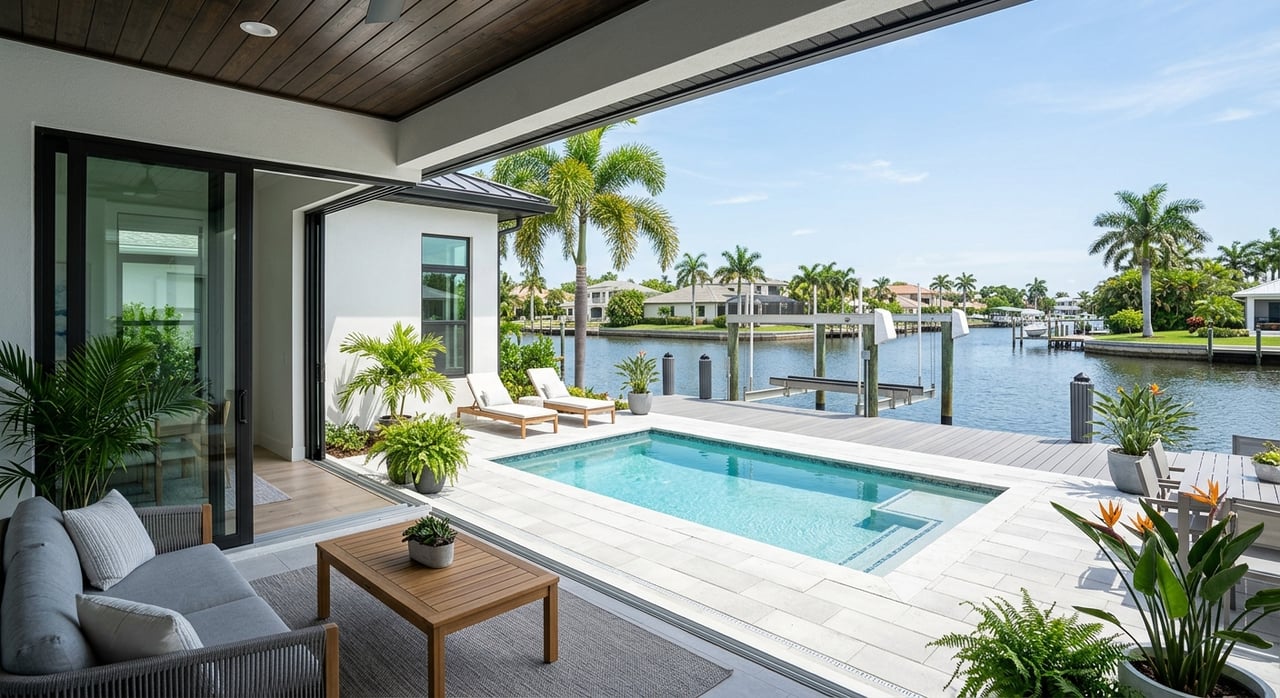
Pools, fitness centers, gated entries, and boat docks add lifestyle value but raise operating costs. If boating is essential, confirm slip assignments, fees, and potential waitlists. Amenities should match what you will actually use.
Reserves, inspections, and building health
Florida’s condominium framework is set out in Chapter 718 of the Florida Statutes, with related association guidance in Chapter 720. After statewide scrutiny of building safety, you should pay extra attention to reserve funding and inspection history, especially for older or multi-story buildings.
Request the reserve study, current reserve balances, and the past 12 to 24 months of meeting minutes. Look for planned capital projects, structural discussions, and any special assessments. If needed, consider a building inspector or structural engineer for additional peace of mind.
Red flags to watch
- Low reserve balances compared with recommendations in the reserve study
- Frequent or large special assessments
- High owner delinquency rates
- Multiple or escalating lawsuits
- Deferred maintenance or postponed major projects in the minutes
- Insurance uncertainty around deductibles and exclusions
What to request before you commit
Your contract should include time to review association documents. In Florida resales, a resale or estoppel certificate discloses assessments, account status, insurance information, and fees.
Request these items early:
- Declaration of Condominium, Articles of Incorporation, Bylaws, and Rules and Regulations
- Current budget and the last 2 to 3 years of financial statements
- Most recent reserve study and current reserve account balances
- Board and annual meeting minutes for the last 12 to 24 months
- Master insurance certificate and declarations page
- Resale or estoppel certificate with assessments and fees
- List of current litigation or insurance claims
- Management agreement and major vendor contracts
- Rental policy and any investor ratio limits
- Parking and storage assignments
- FEMA flood elevation certificate and Collier County floodplain map details for the property
Resale potential in Lake Park condos
Resale value is shaped by both the building’s health and buyer financing. Strong reserves, a steady fee history, and competent management can support values. A healthy owner-occupancy ratio and low delinquency make financing easier and attract more buyers.
Potential risks include association litigation, underfunded reserves, or high investor ratios that make some lenders cautious. Unit features, parking, views, and proximity to key Naples amenities also influence demand. Look for documented capital improvements and transparent governance to boost confidence at resale.
Condo vs single-family in Naples
- Maintenance: Condos shift exterior and common-area upkeep to the association. Single-family owners handle all maintenance themselves.
- Costs: Condos add recurring dues, while single-family costs are more variable and pay-as-you-go. Some single-family homes also have HOA fees.
- Control: Single-family ownership offers more autonomy over exterior changes. Condos require adherence to association rules and approvals.
- Insurance exposure: Condo owners focus on interiors and loss-assessment risk. Single-family owners insure the full structure.
- Rental flexibility: Single-family homes often have fewer restrictions, while condo rentals must follow association rules.
A simple due-diligence timeline
- Before offering: Review rules, rental policy, recent sales in the community, and preliminary budget details. Align property use with the rules.
- During the contingency period: Order the resale or estoppel certificate, full financials, reserve study, insurance summaries, and meeting minutes. Schedule inspections.
- Insurance check: Have your insurance agent review the master policy, wind deductibles, and flood requirements. Price an HO-6 with loss-assessment coverage.
- Final review: Verify any pending assessments, upcoming projects, and application requirements for buyer or lender approval before you waive contingencies.
Your local team
- Naples-focused real estate agent experienced with condos and out-of-state buyers
- Florida-licensed condominium attorney for document review
- Home inspector familiar with coastal buildings and, if needed, a structural engineer
- Insurance agent who understands master policies and flood insurance
Common pitfalls to avoid
- Underestimating special-assessment risk because reserves look low
- Assuming utilities are included when they are not
- Overlooking rental caps that limit income or use
- Ignoring flood-zone and elevation details that affect insurance and lending
- Skimming board minutes and missing upcoming projects or disputes
Buying the right Lake Park condo is about clarity and confidence. When you understand fees, reserves, insurance, and rules before you commit, you protect your budget and your future resale. If you want a local guide from first search to a smooth closing, connect with Doreen Doyle | The Doyle Group.
FAQs
What does a Naples condo association fee usually cover?
- It commonly covers exterior maintenance, amenities, management, master insurance for common elements, and reserves. Some communities also include certain utilities.
How do Florida condo resale or estoppel certificates help buyers?
- They disclose assessments, account status, insurance information, and fees owed, so you can verify costs and spot red flags during your contingency period.
Do I need flood insurance for a Lake Park condo in Naples?
- Many Naples properties are in FEMA flood zones, and lenders may require coverage. Confirm flood zone status and review the elevation certificate and insurance needs.
What are signs of a financially healthy condo association?
- Adequate reserves relative to the reserve study, a low history of special assessments, low delinquency, and clear plans for upcoming capital projects.
Can I rent my Lake Park condo seasonally?
- It depends on the association’s rules. Many allow seasonal rentals with minimum stays, while others limit the number of leases or the percentage of rentable units.
Who should review my condo documents in Naples?
- Work with a local real estate agent, a Florida condominium attorney, a home inspector familiar with coastal buildings, and an insurance agent who can evaluate coverage and deductibles.