Thinking about buying in Lehigh Acres but not sure whether an HOA or a condo association is the better fit? You’re not alone. Fees, rules, and maintenance can look very different from one community to the next, and those details affect your budget and day-to-day life. In this guide, you’ll learn how HOAs and condo associations work in Florida, what fees usually cover, who maintains what, and how to do smart due diligence in Lehigh Acres. Let’s dive in.
HOA vs. condo basics in Florida
Florida treats condos and HOAs under different laws. Condominiums fall under the Condominium Act in Florida Statutes Chapter 718. Homeowners associations for planned communities are governed by the Homeowners’ Association Act in Florida Statutes Chapter 720.
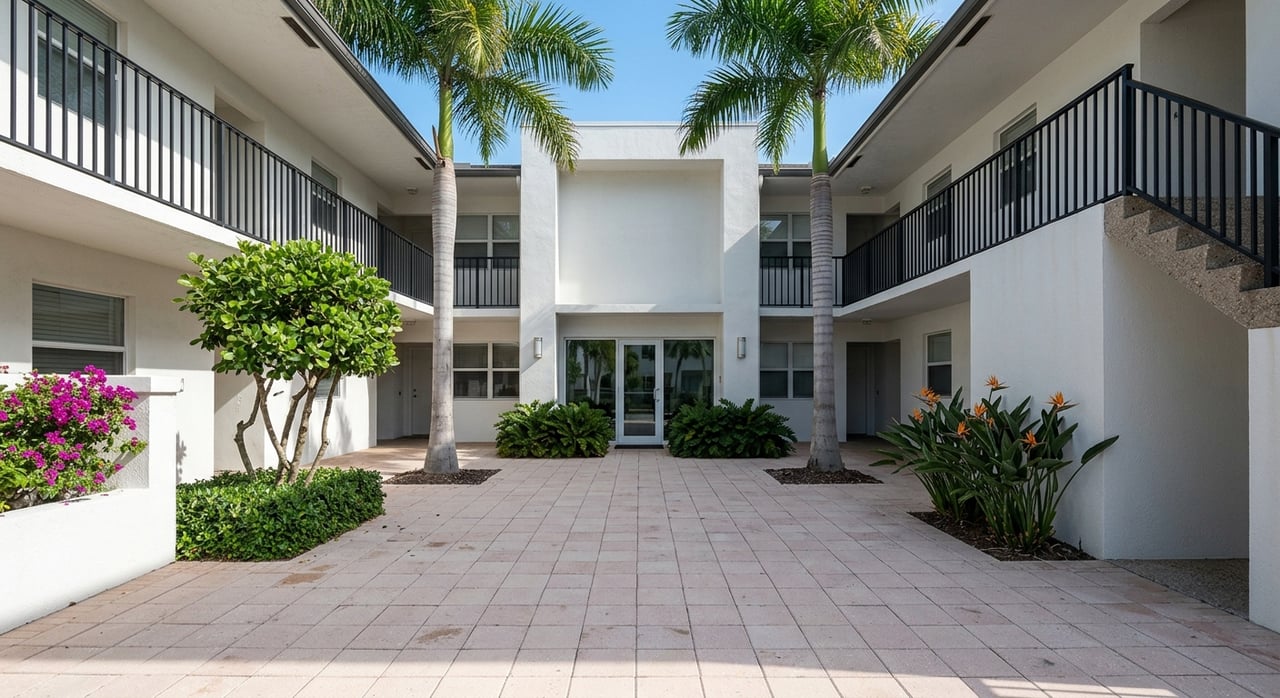
- In a condo, you own your unit and share ownership of common elements. The association manages building exteriors, common systems, and rules.
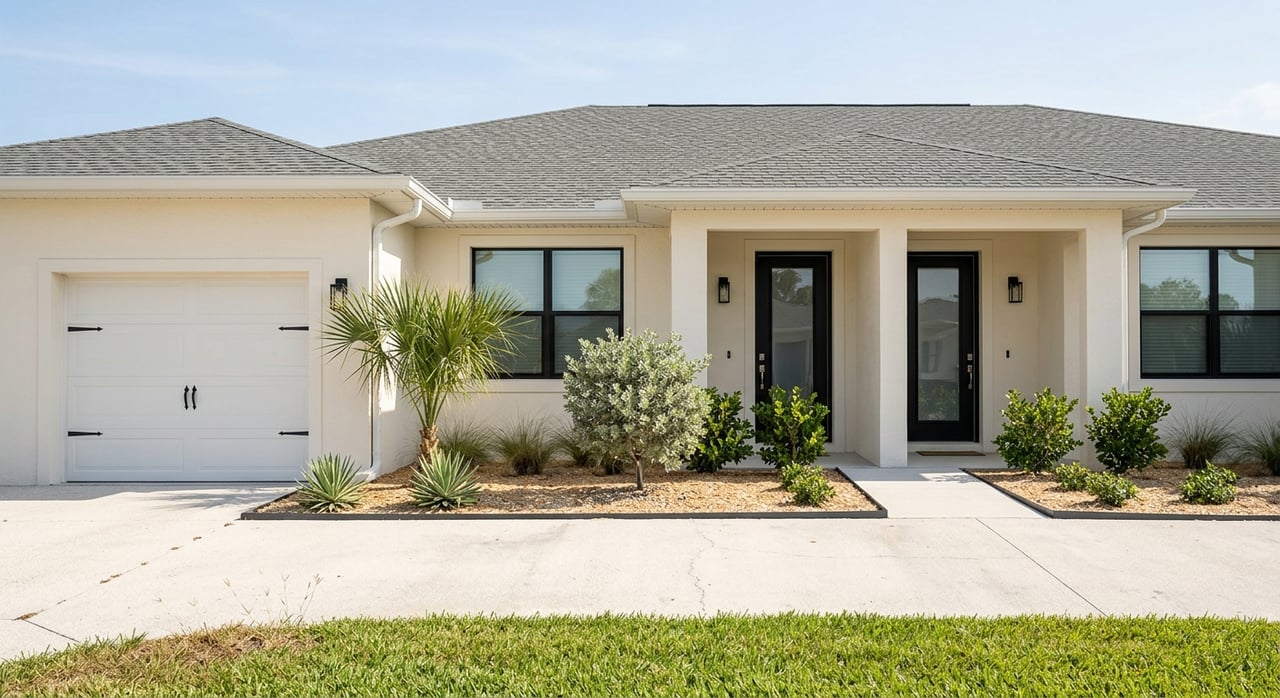
- In an HOA community, you own your home and lot. The association manages common areas and community rules under recorded covenants.
For plain-language guidance on condos, Florida’s Division of Condominiums offers helpful consumer resources through the DBPR.
What your fees usually cover
Monthly or annual dues fund the association’s budget. Both HOAs and condo associations typically cover landscaping of common areas, amenity upkeep, management, legal and accounting, utilities for shared spaces, insurance on association property, and reserves for future repairs.
- Condo associations often include big-ticket building costs. That can mean roof replacement, exterior painting, elevators, parking structures, and common utilities are funded through monthly dues.
- HOAs for single-family neighborhoods usually focus on entry features, private roads, landscaping, irrigation, street lighting, and amenities. Owners typically handle their own roofs, exteriors, and yards unless the documents say otherwise.
Insurance differences to know
Insurance is a practical budget driver in Florida.
- Condos: The association carries a master policy for the building and common elements. You’ll usually carry an HO-6 policy for your unit’s interior finishes, personal property, and liability. What the master policy covers can vary. Review the association’s insurance declarations to see if coverage is walls-in or bare-walls.
- HOAs: The association insures common areas. You insure your entire home with an HO-3 or HO-5 policy. Some attached townhome communities operate more like condos, so always verify coverage in the declarations.
Who maintains what
Maintenance responsibilities are defined in the recorded documents, but these patterns are common:
- Condominiums: Association maintains exterior structure, roof, common systems, and shared areas. Unit owners maintain interior areas and personal fixtures.
- HOAs: Association maintains common areas and private roads if owned by the association. Most owners maintain their exterior, roof, driveway, and yard unless documents assign exterior maintenance to the association.
Always review the declaration and rules to confirm responsibilities for roofs, exterior walls, windows, driveways, and irrigation.
Reserves and special assessments
Associations must adopt annual budgets. Many set aside reserves for big future costs like roof replacement, road resurfacing, or pool repair. If reserves are underfunded or deferred, owners may face special assessments when major work is needed, after hurricane damage, or during litigation.
- A low monthly fee can be appealing, but low reserves can signal future costs.
- Ask about the reserve study, current reserve balances, and any recent or pending special assessments.
Due diligence checklist for Lehigh Acres buyers
Lehigh Acres has a wide mix of homes. Many single-family properties have no association. Where associations exist, documents and costs vary. Use this checklist before you make an offer:
- Confirm if the property is in a condo association, an HOA, or no association. Cross-check the listing with the Lee County Property Appraiser.
- Request recorded declarations/CC&Rs and amendments, bylaws, and rules. You can search public records through the Lee County Clerk’s Official Records.
- Review the current budget, most recent financials, reserve study if available, and last 12 months of board meeting minutes.
- Ask for the association’s insurance declarations, including wind or hurricane deductibles, to understand your exposure.
- Get details on any special assessments, pending litigation, or large capital projects being discussed.
- Check rental, pet, parking, and short-term rental rules if these affect your plans.
- Obtain the resale certificate or estoppel letter to confirm current fees, liens, and pending assessments.
- Verify flood zone status and elevation using the FEMA Flood Map Service Center and local guidance from Lee County Floodplain Management. Get insurance quotes early.
- If financing, confirm condo eligibility for your loan type if you need FHA, VA, or USDA.
Lifestyle and affordability trade-offs
Cost predictability vs. autonomy
- Condos: More predictable exterior costs since the association handles most building components. Monthly fees may be higher, and special assessments are still possible.
- HOAs: Often lower or no monthly dues in Lehigh Acres, but you take on larger, less predictable expenses for roofs, exteriors, and landscaping.
Rules and daily living
- Condos: Closer proximity to neighbors and more rules about noise, guests, alterations, and rentals. Shared amenities can be a plus if you want convenience.
- HOAs: Rules tend to focus on exterior appearance, landscaping, and parking. Restrictions vary by community, so read before you commit.
Marketability and financing
Some buyers prefer single-family homes without association obligations. Others value low-maintenance living and amenities. In Florida, buyers have become more cautious about older condos and associations with weak reserves. Strong financials and clear maintenance plans support resale value across both property types.
Local records and resources
- Florida laws for associations: Condominium Act, Chapter 718 and Homeowners’ Association Act, Chapter 720
- Condo consumer info: Florida DBPR Division of Condominiums
- Property lookups: Lee County Property Appraiser
- Recorded documents: Lee County Clerk Official Records
- Flood maps: FEMA Flood Map Service Center and Lee County Floodplain Management
- Consumer guides: Florida Realtors consumer resources
Smart next steps
- Decide what matters most: lower dues and more autonomy, or higher predictability and shared maintenance.
- Line up insurance quotes early. In Florida, insurance can shift your monthly budget more than a small fee difference.
- Ask for the full document set before you finalize your offer, and review reserves and past assessments with care.
If you want a local guide to compare specific Lehigh Acres communities, document requirements, and true monthly costs, reach out to Doreen Doyle | The Doyle Group. We’ll help you weigh the trade-offs and choose the right fit for your budget and lifestyle.
FAQs
What is the key difference between HOAs and condo associations in Florida?
- HOAs govern planned communities where you own a home and lot, while condo associations govern buildings where you own a unit plus shared common elements under Chapter 718.
What do HOA fees usually cover in Lehigh Acres?
- HOA dues often fund common-area landscaping, private roads, amenities, and management, while owners typically pay for their own roof, exterior, and yard unless documents say otherwise.
How does condo insurance differ from HOA insurance in Florida?
- Condo associations carry a master policy for the building and common elements and owners add an HO-6 policy, while HOAs insure common areas and owners carry HO-3 or HO-5 coverage for the entire home.
What documents should I request before buying into a Lehigh Acres association?
- Ask for declarations and amendments, bylaws and rules, current budget and financials, reserve study, meeting minutes, insurance declarations, estoppel/resale certificate, and details on assessments or litigation.
How does hurricane risk affect HOA or condo costs in Lee County?
- Storm exposure can raise association insurance premiums and deductibles and increase the chance of special assessments, so verify coverage details and get owner policy quotes early.