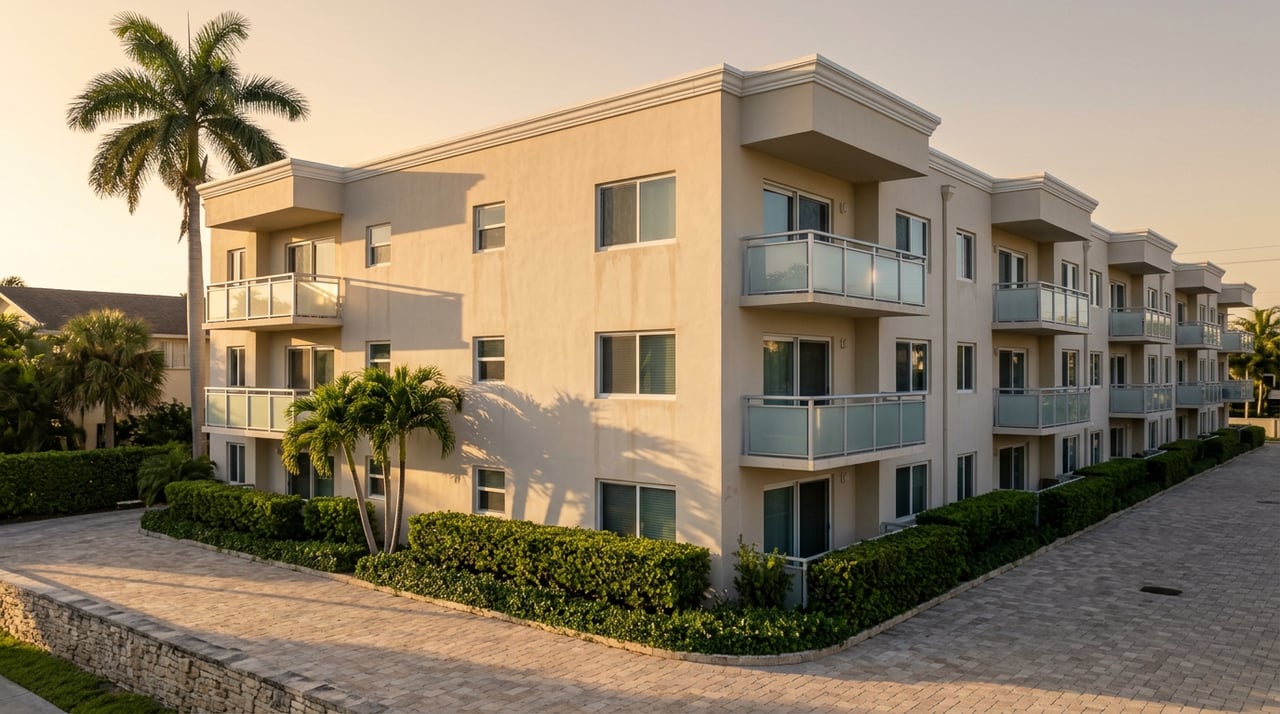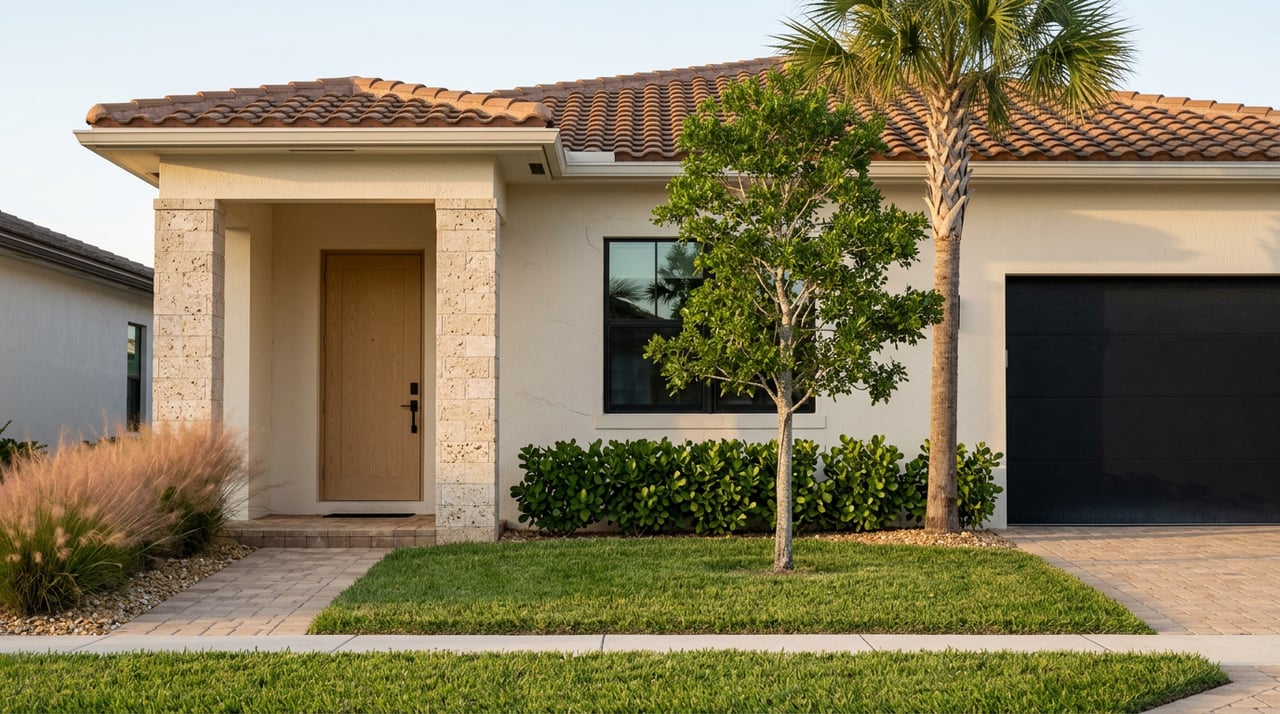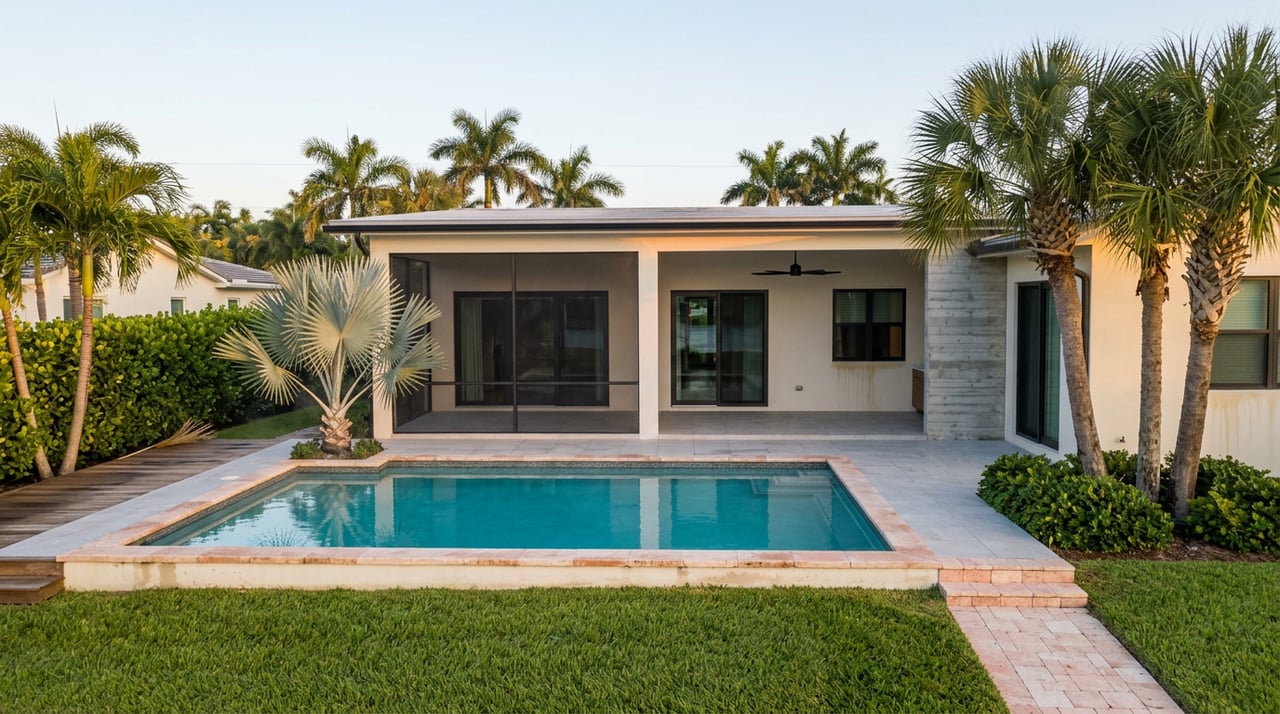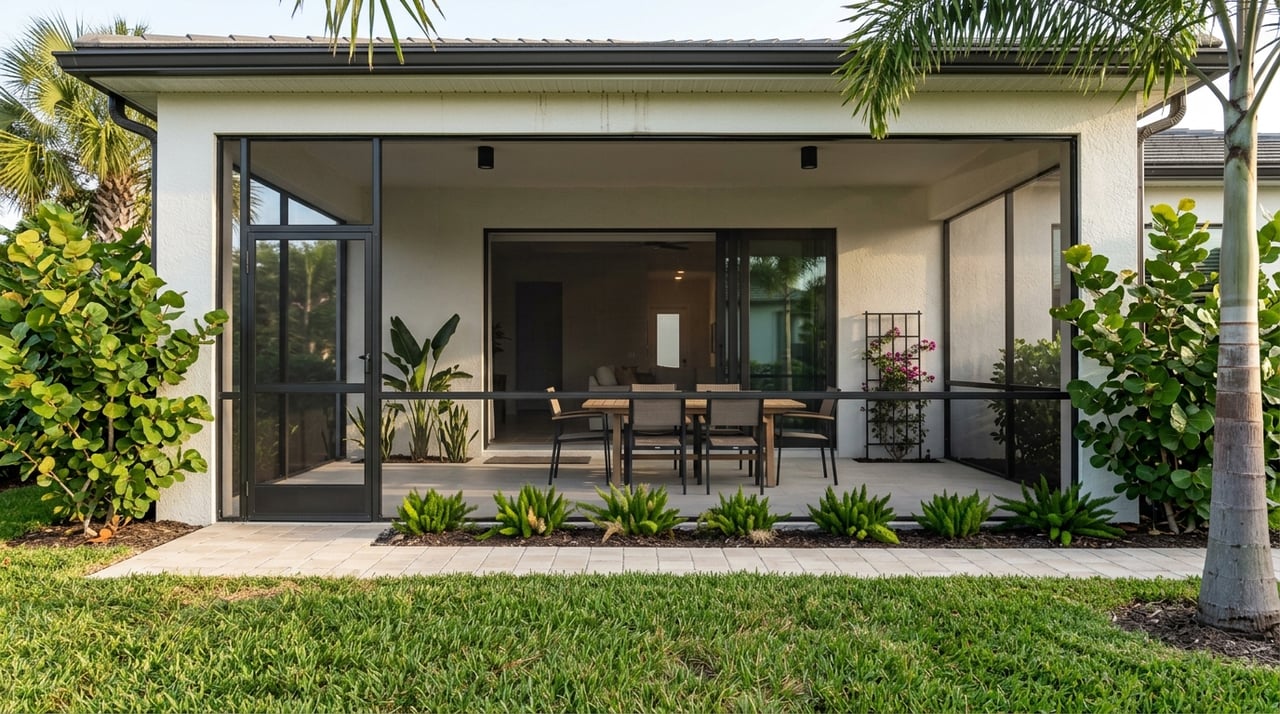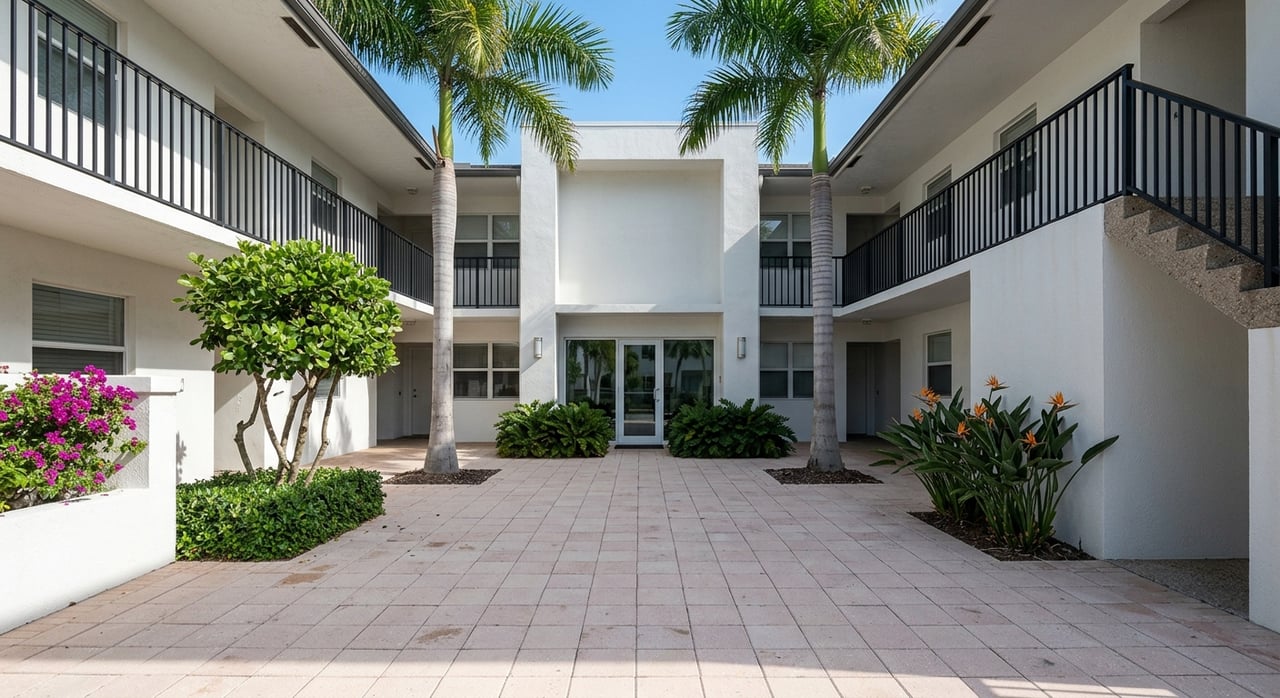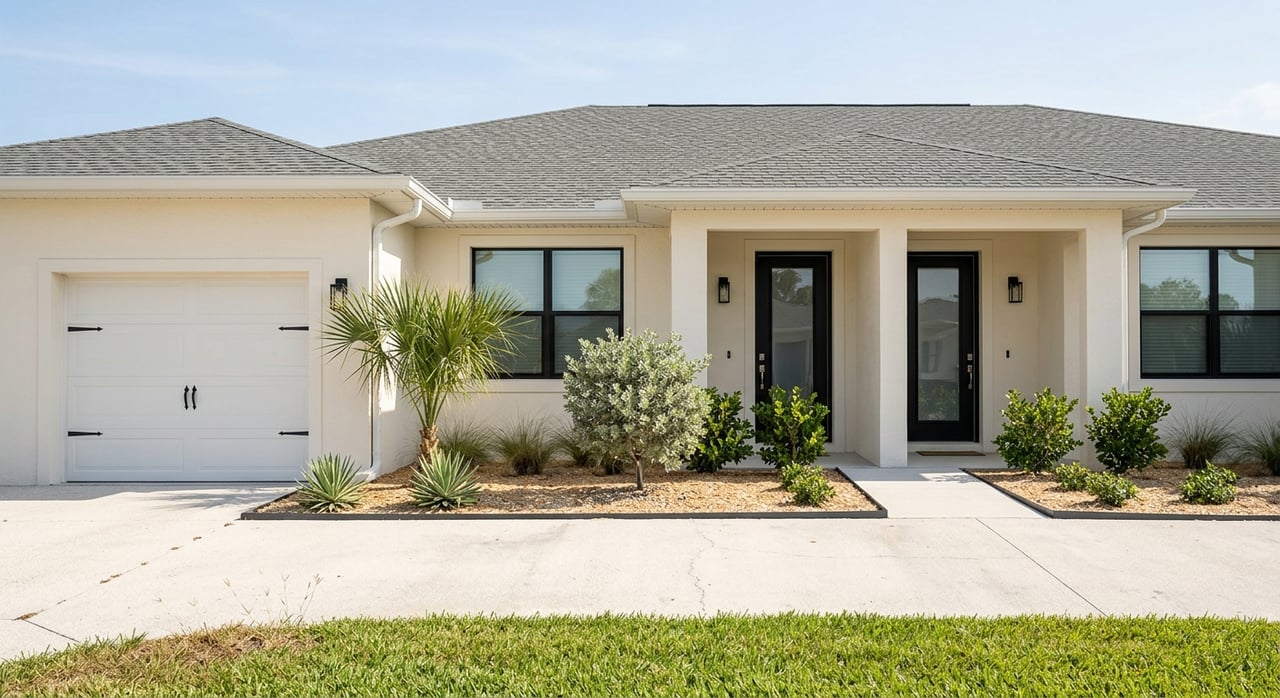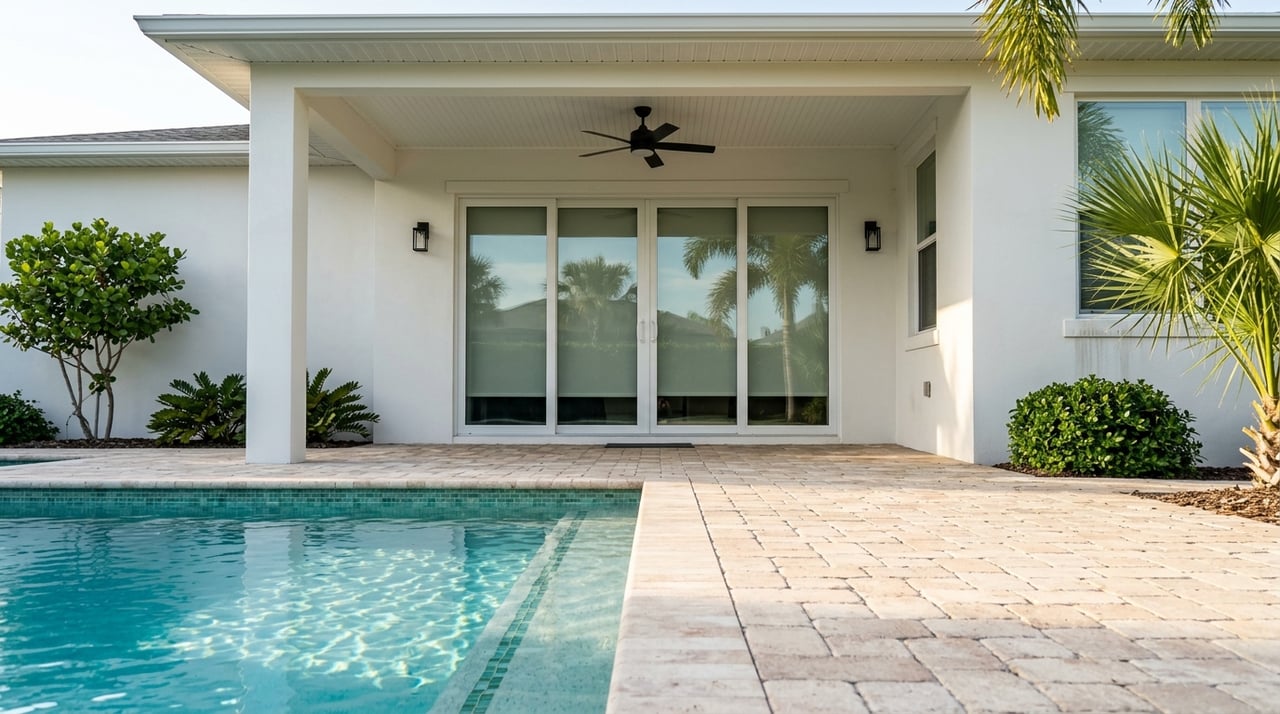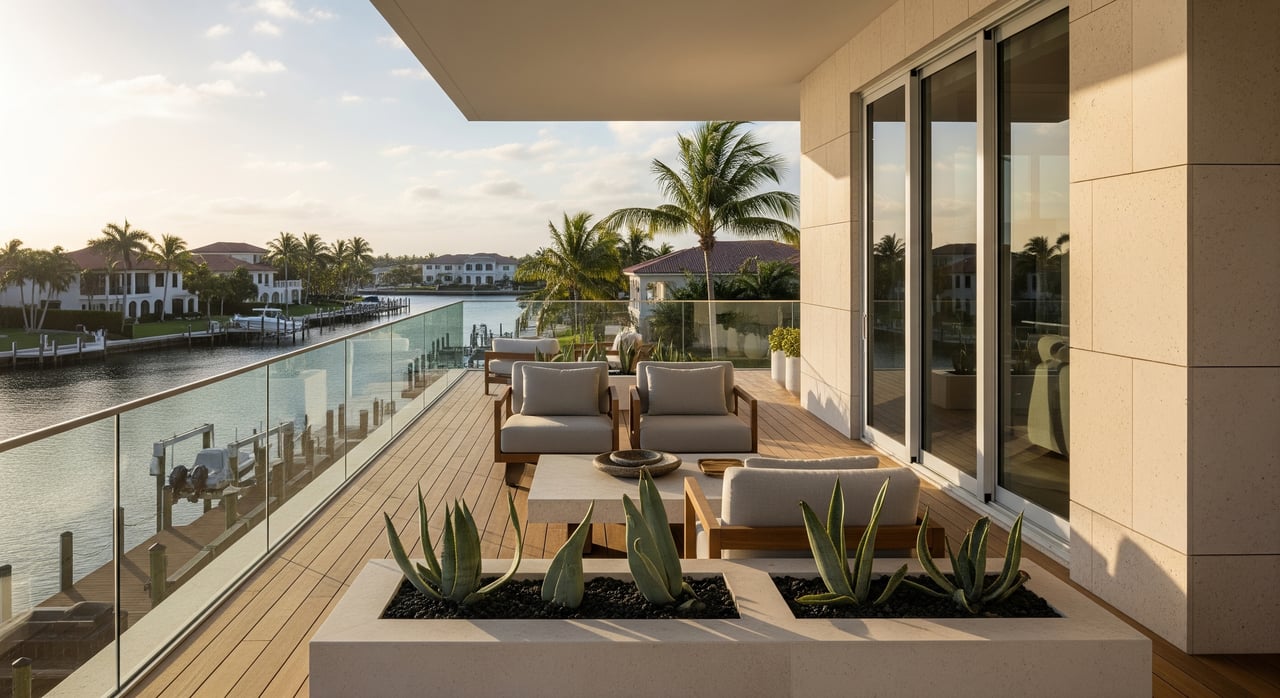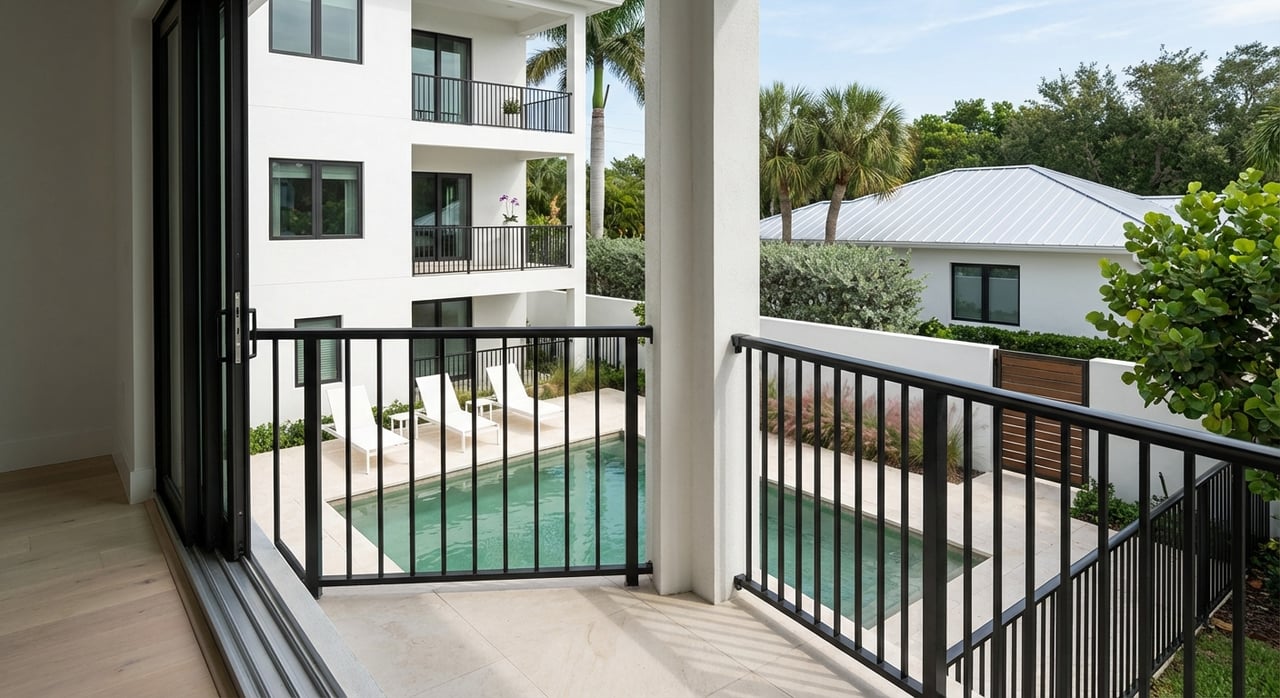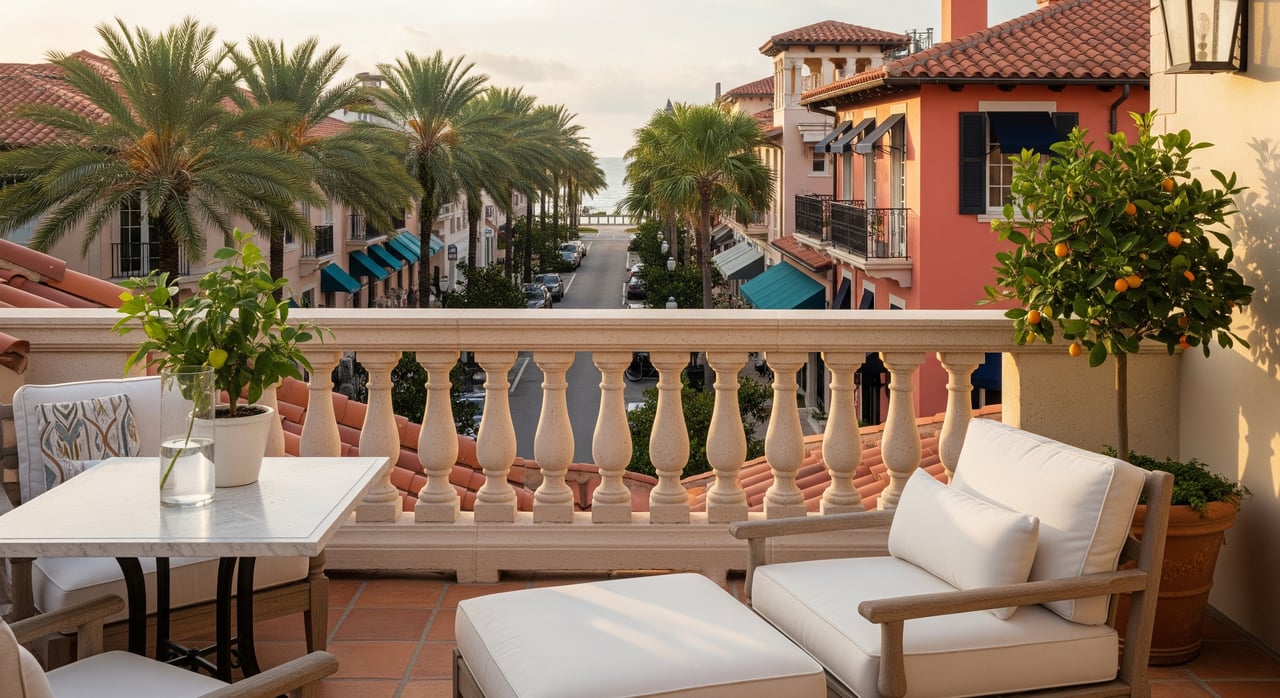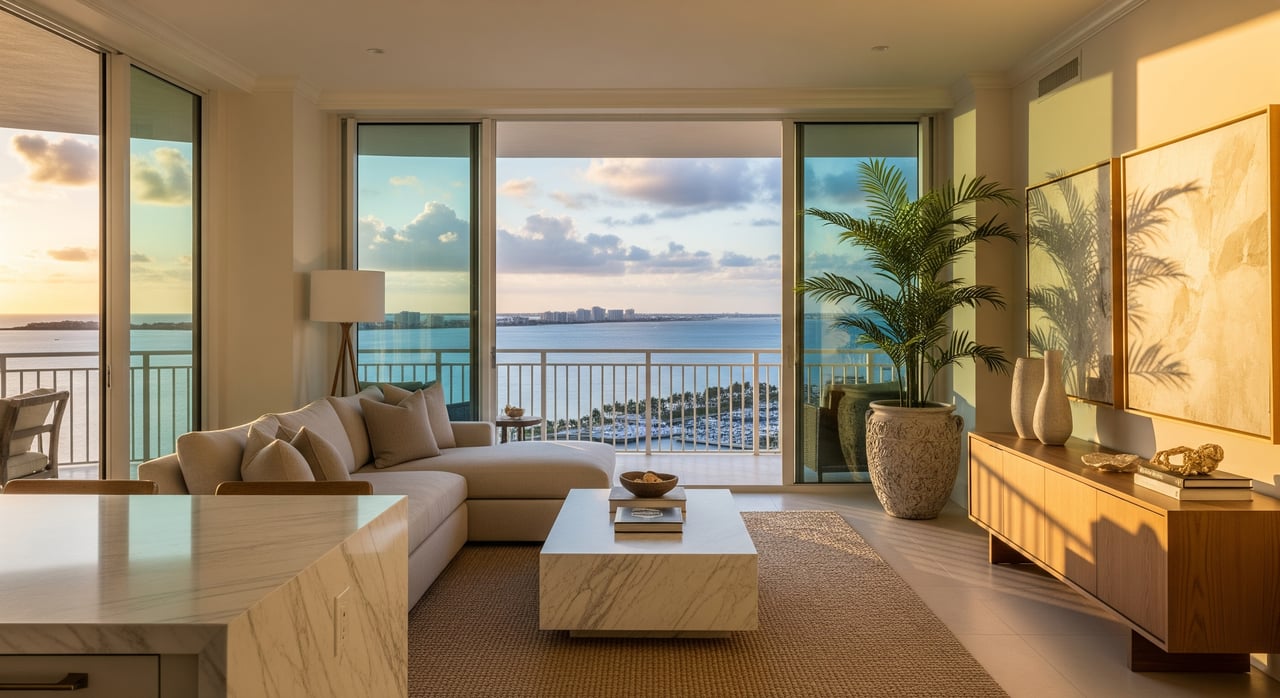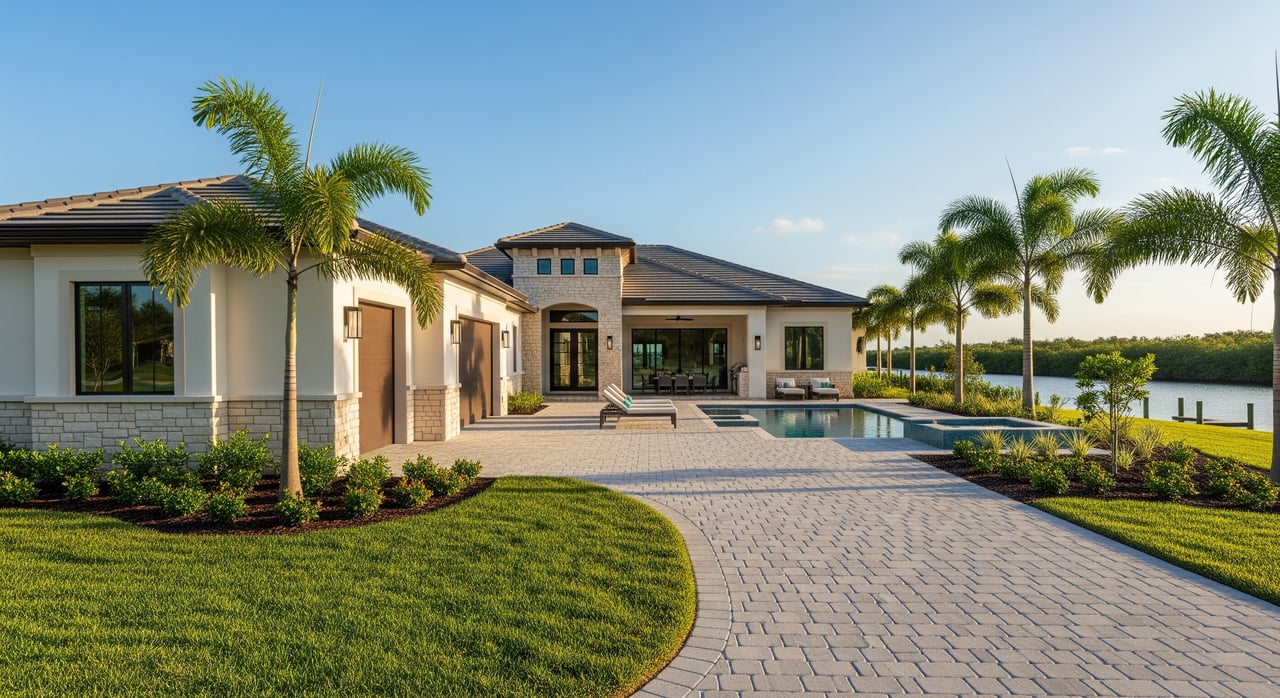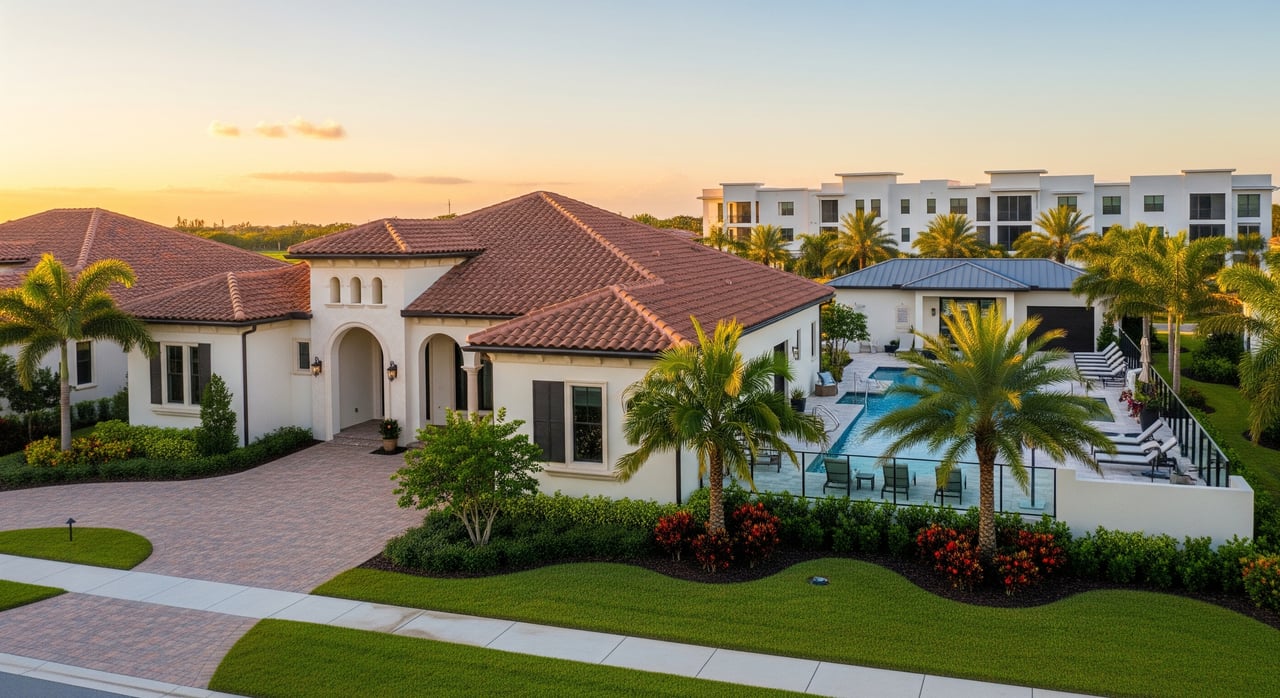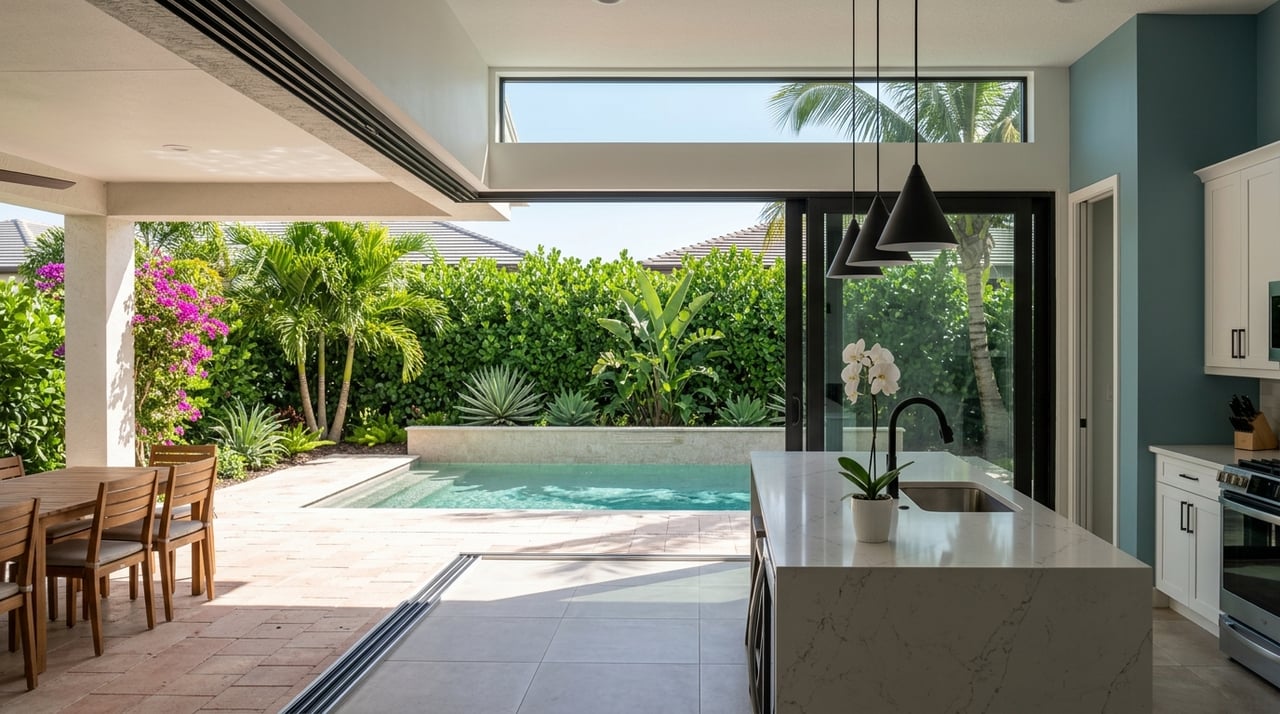
If you have only visited Naples on vacation, you may wonder what it actually feels like to live here on a normal Tuesday. The answer is that Naples is polished, sunny, and outdoorsy, but it is also more routine-driven and seasonal than many buyers expect. Once you understand the city’s pace, walkable pockets, and weather patterns, it becomes much easier to picture where you might feel most at home. Let’s dive in.
Naples Feels Smaller Than You Think
Naples is not a dense, fast-moving metro. The U.S. Census Bureau estimates the city population at 20,114 as of July 1, 2025, and 55.8% of residents are 65 or older. Only 9.0% are under 18, which helps shape the city’s quieter daytime rhythm.
That rhythm changes with the season. City planning materials estimate roughly 37,727 people in town during peak season from November through April. In other words, daily life can feel calm in one month and much busier in another.
The Daily Rhythm Is Built Around Weather
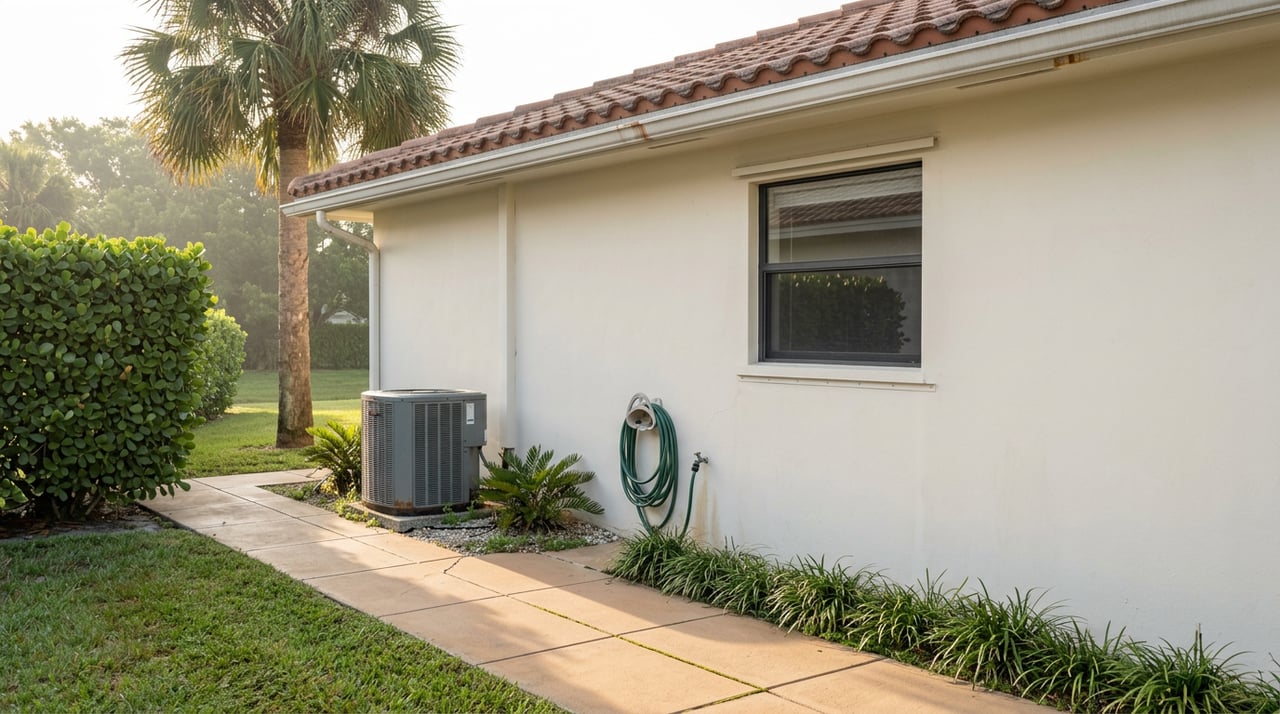
Naples has tropical weather year-round, with more than 300 days of sunshine according to the city. Average highs range from the mid-70s to the mid-90s, and average lows range from the mid-50s to the mid-70s. The drier tourist season typically runs from December through April.
In practical terms, your daily routine often follows the forecast. In summer, mornings are usually the best time for walks, errands, and beach time before the heat and afternoon rain build. In winter and early spring, outdoor plans are easier to stretch across more of the day.
For many buyers, that is one of the first true lifestyle adjustments. Naples living often means starting earlier, especially if you want to be outside regularly.
Getting Around Naples Day to Day
Naples is organized around a few major corridors, including U.S. 41 and Golden Gate Parkway. That helps explain why some parts of the city feel easy to navigate on foot, while others work more like classic drive-to-everything neighborhoods.
Most everyday life is still car-based. The average commute time for Naples workers is 22.4 minutes, and Collier Area Transit operates fixed-route, express, and paratransit service, including routes serving downtown Naples, Park Shore, Vanderbilt Beach, Mercato, Coastland Mall, the Government Center, and a Beach Bus. Even so, many residents still rely on a car for errands and appointments.
That said, not every Naples lifestyle looks the same. If walkability is high on your list, where you buy matters a lot.
Old Naples Offers the Most Walkability
In the 34101-facing core, day-to-day life centers on downtown and Old Naples. 5th Avenue South is a pedestrian-friendly shopping and dining district that stretches from Tamiami Trail to the Gulf of Mexico. Third Street South describes itself as the birthplace of Naples and sits two blocks from the Naples Pier area and Gulf beaches.
This part of Naples offers the most immediate access to coffee shops, restaurants, galleries, and beach time. If you want to step outside and feel like something is happening nearby, this area usually fits that goal best.
It also feels different from the rest of the city. The downtown core has more foot traffic, more social energy, and more visible activity than quieter residential sections.
Naples Neighborhoods Have Distinct Personalities
The city includes official neighborhoods such as Old Naples, Port Royal, Coquina Sands, Lake Park, Moorings, Park Shore, Royal Harbor, Seagate, Sun Terrace, Bayview, and Bear’s Paw, among others. What matters most is the variety these names represent.
Within one city, you can find waterfront enclaves, older in-town blocks, and quieter residential pockets. Some areas place you closer to the busiest dining and shopping corridors, while others offer a more tucked-away residential feel.
For buyers, this usually comes down to a simple question: do you want your lifestyle to be centered on walkability and activity, or do you prefer a calmer home base with amenities still close by? Naples can support either option, but not every neighborhood delivers the same daily experience.
Outdoor Living Is a Real Part of Life
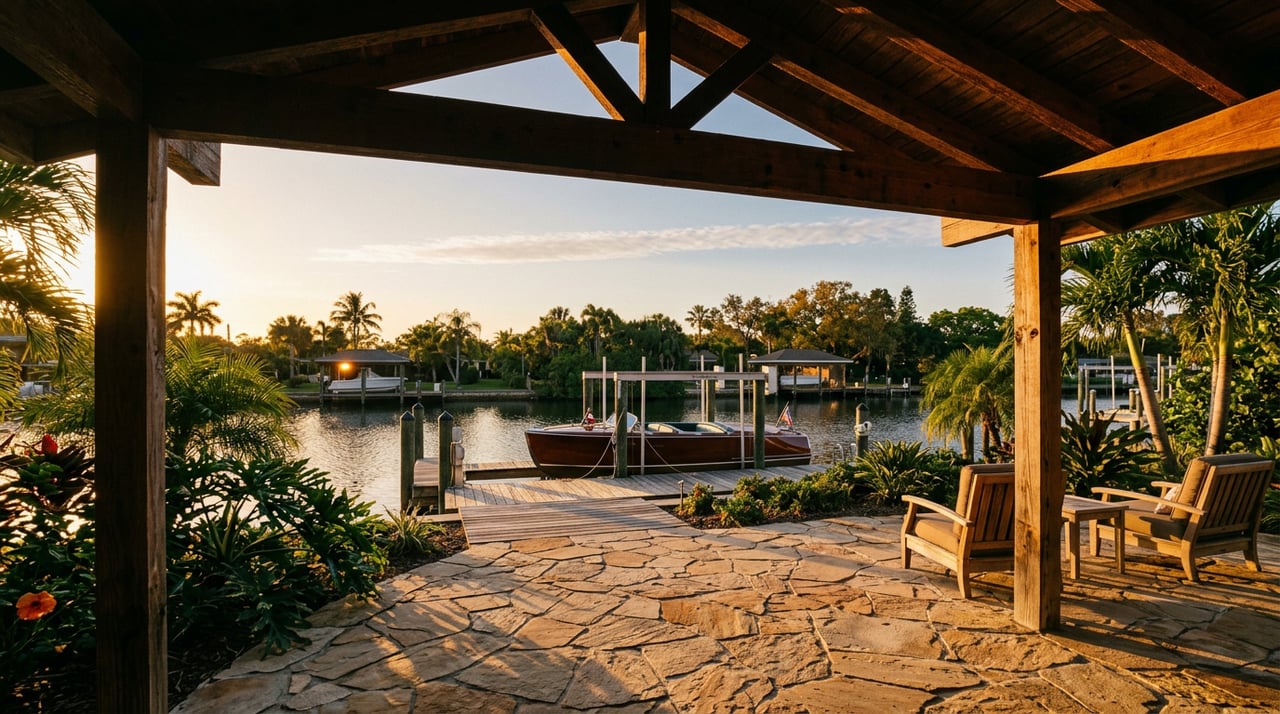
Naples life is strongly tied to the outdoors. Beaches, parks, and public gathering spaces shape how many residents spend their mornings, weekends, and evenings.
But outdoor living here is not completely effortless. The city says beach parking requires either a permit or pay-by-space year-round. Collier County property taxpayers and full-time residents can receive annual permits for free, while visitor permits are available for $50.
That may sound like a small detail, but it affects your routine. Beach access is very real in Naples, but it usually works best when you plan ahead.
Lowdermilk Park Is a Practical Beach Option
Lowdermilk Park is one of the more useful public beach-adjacent spaces for everyday living. It combines parking with restrooms, showers, volleyball, a playground, and ADA beach mats.
For many residents, that kind of convenience matters just as much as the view. It is one thing to be near the beach. It is another to have a beach setup that works smoothly for regular use.
The Naples Pier, one of the city’s signature gathering spots, is currently closed for its rebuild project. So for now, that familiar part of the Naples routine is not available in the same way.
Parks Are Part of the Weekly Routine
Some of the most-used public spaces in Naples are its parks. Baker Park along the Gordon River includes a 1.3-mile loop, kayak launch, outdoor fitness area, splash pad, and a bridge connection to the Greenway.
Cambier Park, right in downtown, offers tennis, bocce, shuffleboard, a bandshell, a playground, and open lawn space. These are not just occasional destinations. They are part of how many residents build exercise, downtime, and casual social time into everyday life.
Dining and Social Life Center Around Key Districts
Naples has a polished dining scene, but it also has repeating local habits that make the city feel lived-in rather than purely resort-like. Much of that social life is centered around a few visible districts.
5th Avenue South includes everything from early cafes and casual spots to seafood, Italian, and more upscale dining. Third Street South emphasizes outdoor dining, bistros, and a neighborhood-style shopping experience built around independent businesses.
If you enjoy a lifestyle where dinner plans, coffee meetups, and evening strolls can all happen in the same area, these districts are likely to stand out. They are part of what gives central Naples its social energy.
The Farmers Market Adds Local Rhythm
One of the city’s most local-feeling weekly traditions is the Third Street South farmers market. It runs every Saturday from 7:30 a.m. to 11:30 a.m. and has grown to more than 60 vendors.
It also notes that it has no national chains or franchises. That gives you a good sense of how Naples blends polished surroundings with distinctly local routines.
The Arts Scene Is Stronger Than Many Expect
Many people associate Naples first with beaches and golf, but the arts are a real part of daily and seasonal life here. That cultural layer gives the city more depth than some buyers expect.
Artis—Naples combines The Baker Museum and the Naples Philharmonic, with programming that includes jazz, comedy, chamber music, lifelong learning, and museum exhibitions. The Naples Art District adds another side of the scene, with 100 artists and open studios on Thursdays and Saturdays from 1 p.m. to 5 p.m.
Community events also spill into public spaces. The Naples Concert Band performs at Cambier Park and draws thousands during peak season, which is a reminder that in Naples, arts and community life often happen outside formal venues too.
Seasonality Changes the Feel of the City
The single biggest factor in Naples day-to-day life is seasonality. City documents estimate about 19,652 permanent residents and 37,727 seasonal residents during peak season, which helps explain why restaurants, beaches, and event calendars feel much fuller from November through April.
If you visit in peak season, you are seeing Naples at one of its busiest times. If you spend time here in summer, you will notice a quieter pace, more heat, more humidity, and more afternoon rain.
Neither version is more real than the other. They are both part of living here.
Summer Has a Different Routine
Summer in Naples is hotter, wetter, and quieter. The city notes that summer is humid and often includes afternoon rains, while NOAA normals show very warm days and nights from June through August.
That is why many locals shift to early-morning routines in the hottest months. Outdoor walks, errands, and exercise often happen earlier, with less planned around midafternoon.
Storm Prep Is Part of Coastal Living
Living near the Gulf also means coastal preparedness matters. The city’s emergency planning materials note that tropical weather is one of the most likely disaster events affecting Naples and that the city is vulnerable to storm surge.
For buyers, this is less about alarm and more about realism. Hurricane preparation is simply part of everyday coastal living in Naples.
What This Means for Buyers
If you are thinking about a move, Naples is best understood as polished, seasonal, and strongly outdoor-oriented. It offers walkable districts, beach access, cultural amenities, and distinct neighborhoods, but the experience varies widely depending on where you land.
If you want to walk to coffee, dining, galleries, and the beach, Old Naples and the downtown corridors will likely feel most natural. If you want quieter residential streets, the city’s other named neighborhoods may offer a better fit while still keeping beaches, parks, and dining close by.
The key is not asking whether Naples is a good place to live. It is asking what kind of Naples routine feels right for you. If you want help comparing neighborhoods, condo options, or full-time versus seasonal living, Doreen Doyle | The Doyle Group can help you make a confident move.
FAQs
What is daily life in Naples, Florida really like?
- Daily life in Naples is typically sunny, outdoors-focused, and quieter than many visitors expect, with routines often built around morning errands, beach time, dining, and seasonal activity levels.
What area of Naples is most walkable for everyday living?
- Old Naples and the downtown core near 5th Avenue South and Third Street South are generally the most walkable areas for access to dining, shopping, galleries, and nearby beach access.
What is summer like in Naples for full-time residents?
- Summer in Naples is hotter, more humid, and wetter, with many residents shifting outdoor activities and errands to the morning to avoid peak heat and afternoon rain.
How does peak season affect life in Naples?
- From November through April, Naples feels busier as seasonal population rises, which can mean more activity at restaurants, beaches, parks, and community events.
Do you need to plan ahead for Naples beach access?
- Yes, beach access is very doable, but parking is managed with permits or pay-by-space, so it helps to know your preferred access points and parking options in advance.
Are parks and arts part of the Naples lifestyle?
- Yes, parks like Baker Park and Cambier Park are part of many residents’ routines, and cultural venues and events such as Artis—Naples, the Naples Art District, and performances in public spaces add to daily life in the city.