Thinking about selling your Naples condo? In a market with plenty of competition, a strong launch can make a real difference. If you want to avoid delays, present your unit well, and feel more prepared once offers start coming in, a little planning upfront goes a long way. Let’s dive in.
Why condo prep matters in Naples
Selling a condo is different from selling a single-family home because your association is part of the transaction. Buyers are not just evaluating your unit. They are also reviewing budgets, rules, fees, inspection history, and reserve information tied to the community.
That matters even more in Collier County’s current market conditions. NABOR’s April 2026 data for Collier County showed 5,919 properties in inventory, 1,388 pending sales, 1,068 closed sales, a median closed price of $630,000, and 97 days on market. In a market like that, being organized and presenting your condo well can help you stand out.
Get association documents early
One of the smartest things you can do before listing is request your condo resale packet early. Florida law gives buyers the right to receive important association documents, and those documents can affect both buyer confidence and closing timelines.
At the seller’s expense, a prospective buyer is entitled to receive current association materials that may include:
- Declaration
- Articles of incorporation
- Bylaws and rules
- Annual financial statement and budget
- Milestone inspection summary, if applicable
- Most recent structural integrity reserve study, or a statement that none exists
- Turnover inspection report, if applicable
- FAQ document
If a buyer requests these documents in writing and receives them after going under contract, Florida’s resale disclosure rules give that buyer a 7-day cancellation period after receipt. That is one reason early preparation matters. When your paperwork is ready, you reduce the odds of avoidable surprises later.
Review the packet for issues
Do not stop at simply ordering the documents. Review the file carefully for open violations, special assessments, and fee disclosures, because those items often come back up during the closing process.
Buyers also tend to study the association budget, reserve information, and inspection history during due diligence. Those details can shape how they view future maintenance obligations and overall ownership costs.
Confirm estoppel, approvals, and fees
Another key step is understanding what your association requires before transfer. Every condominium can be a little different, so it helps to confirm approval steps early rather than waiting until you are under contract.
The estoppel certificate is especially important. It provides a current snapshot of what is owed to the association, including assessments and special assessments, and it can also state whether board approval is required, whether there is a right of first refusal, and what insurance or other association information applies.
Know the estoppel timeline
Florida law gives an association 10 business days to deliver the estoppel certificate. If the association charges a standard estoppel fee, the fee is capped at $250, with a possible additional $100 expedited fee when delivered within 3 business days.
Timing matters here. A hand-delivered or emailed estoppel is effective for 30 days, while a mailed estoppel is effective for 35 days. If you request it too early, it may need to be updated before closing.
Check transfer approval rules
Transfer approval is not automatic in every condo community. The authority for transfer approval, and any related transfer fee, comes from the condominium’s declaration, articles, or bylaws.
If a transfer fee is allowed, it cannot exceed $150 per applicant. Knowing this in advance helps you answer buyer questions quickly and avoid a scramble once a contract is signed.
Understand inspection and reserve status
For many Naples condo sellers, buyers will ask about building inspections and reserve studies right away. These questions are common because Florida statutes now make structural and financial documents more visible during the sale process.
For residential condo buildings that are three habitable stories or higher, structural integrity reserve studies are required at least every 10 years. These studies cover major components such as the roof, structure, fire protection, plumbing, electrical systems, waterproofing and exterior painting, windows and exterior doors, plus other high-cost deferred maintenance items that affect those systems.
For older owner-controlled associations, the current statute states that the structural integrity reserve study deadline was December 31, 2025, with limited ability to complete it alongside a milestone inspection through December 31, 2026. If a building has had a milestone inspection, the association must distribute the inspector-prepared summary to owners within 45 days.
Why buyers care
Buyers often review reserve studies and inspection summaries because they can point to future repairs, maintenance obligations, or assessments. Even if your unit is beautifully updated, buyers may still weigh the building’s larger financial and physical condition as part of their decision.
That does not mean a sale is harder. It means clear, organized information can help your condo feel like a safer and more understandable choice.
Declutter and stage for condo buyers
Once your paperwork is underway, turn your attention to presentation. In Naples, where many buyers compare multiple condos online before they ever tour in person, the way your unit looks in photos can have a major impact.
The 2025 NAR staging report found that decluttering was the most common seller recommendation at 91%, followed by cleaning the entire home at 88%. The same report found that the living room, primary bedroom, and kitchen were the most important rooms to stage.
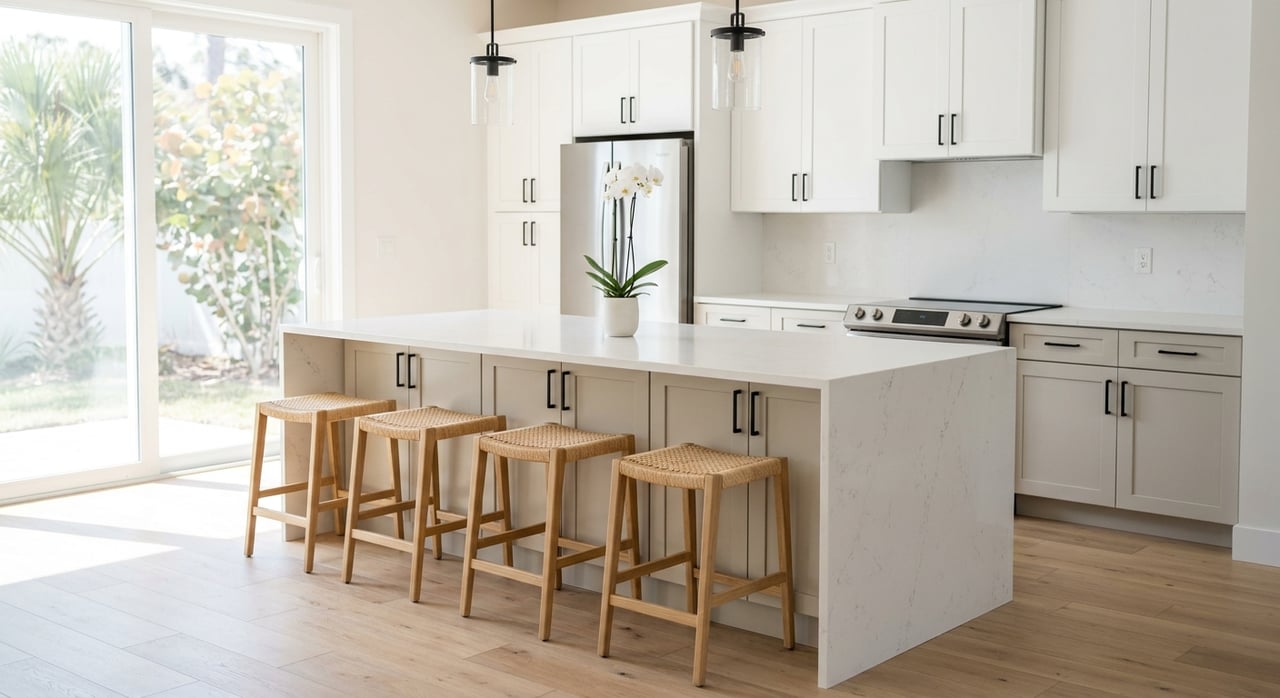
For condos, the goal is usually simple: help the space feel larger, brighter, and easier to maintain. Buyers want to imagine daily life in the unit, not feel distracted by crowded surfaces or overfilled storage.
Focus on the areas buyers notice first
A full remodel is not always the answer. Often, the best return comes from clean, polished presentation in the spaces buyers see first.
Prioritize:
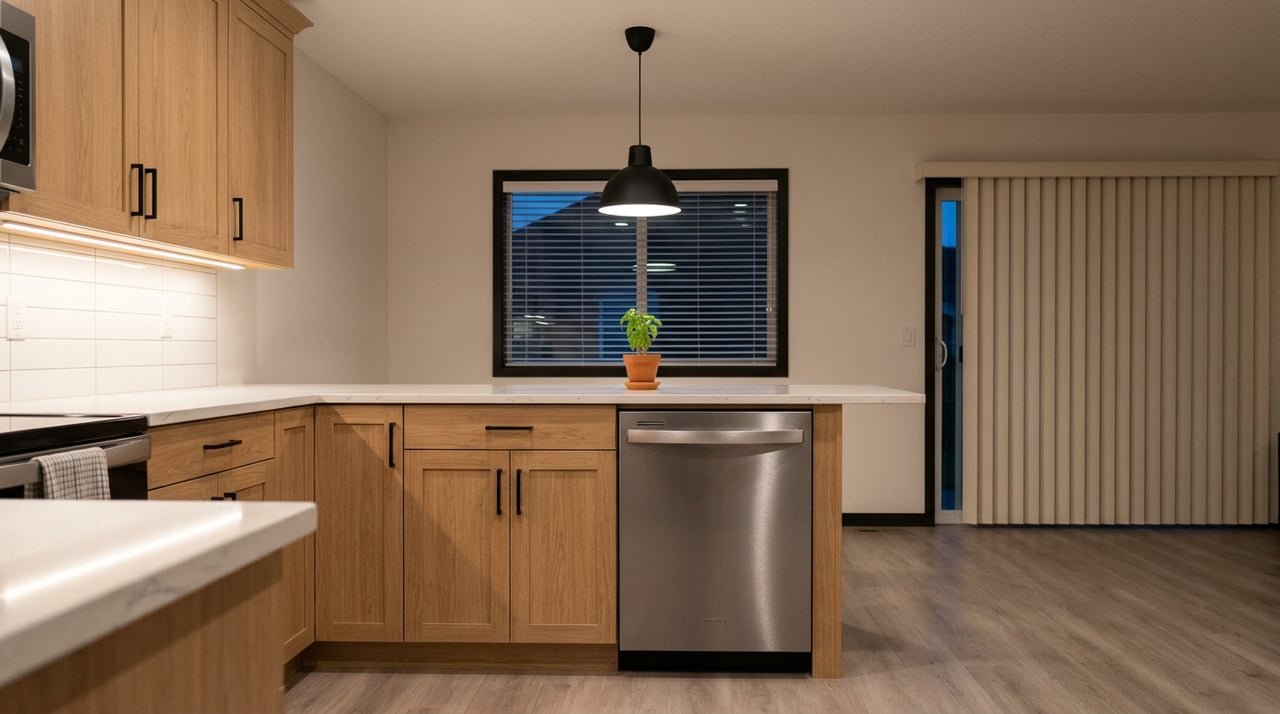
- Kitchen counters and sink area
- Main living area
- Primary bedroom
- Bathrooms
- Closets and storage spaces
- Balcony or lanai
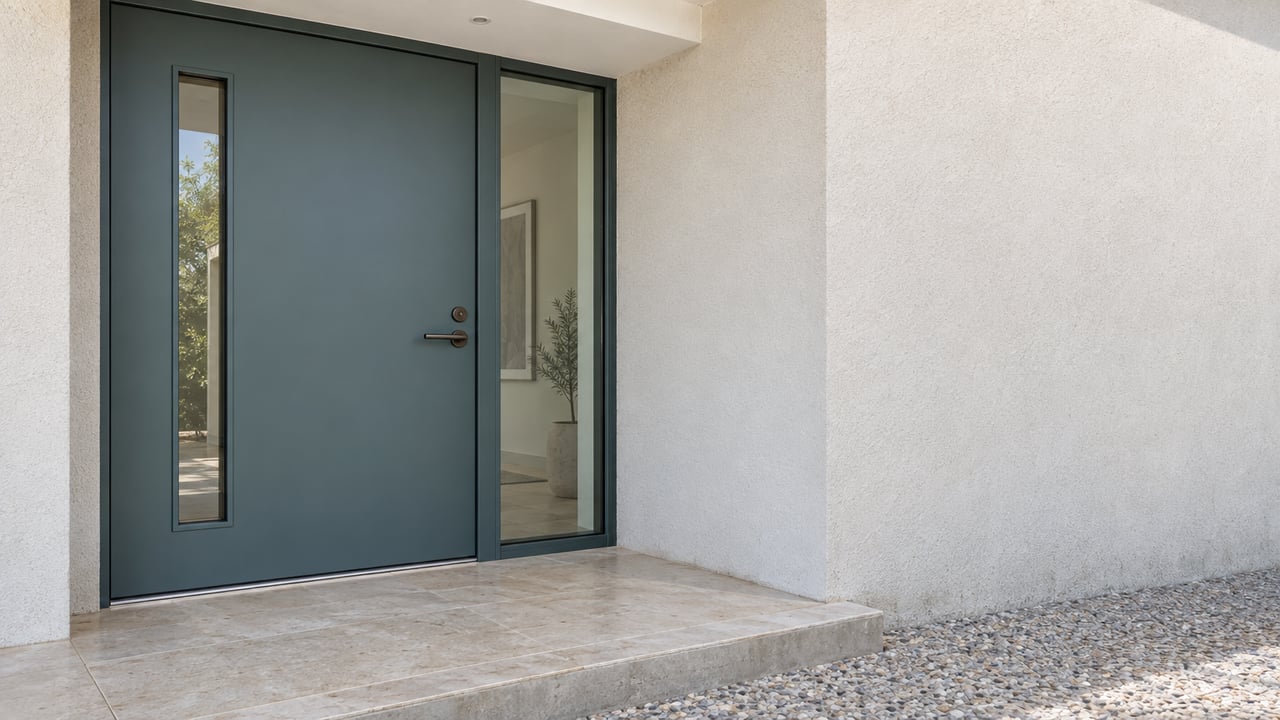
- Entry area
Clear counters, simplify decor, and remove extra items from closets, cabinets, and outdoor areas. The more open and tidy the condo feels, the easier it is for buyers to focus on usable space.
Think about how it photographs
Staging is not only about in-person showings. Buyers’ agents rated photos, physical staging, video, and virtual tours as important presentation tools, so your prep should support strong visual marketing.
That means bright rooms, neat surfaces, minimal personal items, and a layout that reads clearly in images. Even smaller or lower-cost updates should be judged by how well they improve the condo’s overall look online.
Build a photo-first listing launch
Your online debut matters. According to a 2026 NAR article, 81% of buyers rated listing photos as the most useful feature in their online search.
That means your lead photo and photo order are not small details. They shape first impressions quickly, often before a buyer reads a single line of description.
Plan a smart photo sequence
For a Naples condo, buyers are typically comparing both the unit and the lifestyle that comes with it. A thoughtful photo sequence helps them understand the full package.
A useful order often includes:
- Entry
- Main living area
- Kitchen
- Primary suite
- View
- Lanai or balcony
- Storage area
- Parking
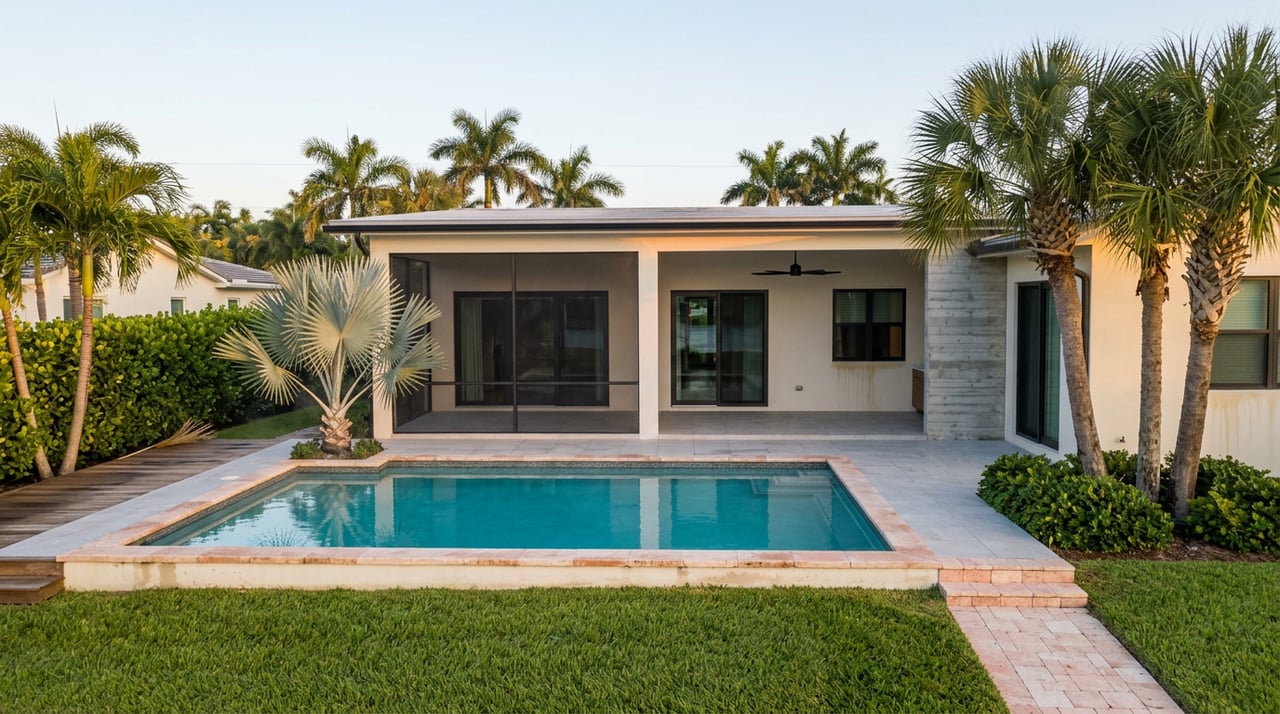
- Building exterior
- Amenities
This approach helps buyers picture not just the condo itself, but also how the property functions day to day.
Refresh quickly if needed
If the listing is not getting enough attention early, it may be worth adjusting the lead image, reordering photos, or relaunching the listing sooner rather than later. Early visibility can shape momentum, so small improvements can matter.
It is also smart to put privacy and security steps in place before photos and showings begin. Stow personal items, secure valuables, and be thoughtful about access during the marketing period.
Common Naples condo sale questions
If you are planning to sell a condo in Naples, a few questions tend to come up again and again. Most center on association rules, fees, inspections, and which updates really matter before going live.
Here are the big ones sellers usually want answered early:
- Does the association require buyer approval?
- Is there a transfer fee?
- Are there open special assessments?
- What does the estoppel certificate show?
- Has the building completed any required inspection or reserve study work?
- Which improvements will help the condo show better in photos?
When you answer these questions before listing, you create a smoother experience for both yourself and your future buyer. That kind of preparation can help reduce stress, improve confidence, and keep your timeline on track.
A smoother sale starts before listing day
Selling a condo in Naples is not just about pricing and putting a sign in the yard. It is about coordinating paperwork, understanding association requirements, and making sure your unit shows at its best from day one.
With the right preparation, you can reduce delays, present your condo more effectively, and move into the market with a clearer plan. If you want experienced, local guidance on preparing your Naples condo for sale, connect with Doreen Doyle | The Doyle Group for thoughtful, high-touch support every step of the way.
FAQs
What documents do you need to sell a condo in Naples?
- Florida law requires sellers to provide buyers with current condominium documents such as the declaration, articles, bylaws and rules, annual financial statement and budget, and certain inspection or reserve-study materials if applicable.
What is an estoppel certificate in a Florida condo sale?
- An estoppel certificate is the association’s official snapshot of money owed, including assessments or special assessments, and it may also state transfer approval requirements, right of first refusal, and other closing-related information.
How long does a condo association have to provide an estoppel in Florida?
- Florida law gives the association 10 business days to deliver the estoppel certificate.
Can a Naples condo association charge a transfer fee?
- Yes, but only if the association has authority in its governing documents and approval of the transfer is required, and the fee cannot exceed $150 per applicant.
What rooms matter most when staging a Naples condo for sale?
- Based on NAR’s staging report, the living room, primary bedroom, and kitchen are the most important rooms to stage.
Why are listing photos so important for a Naples condo sale?
- Listing photos are often the first thing buyers use to decide whether to learn more, and NAR reported that 81% of buyers rated photos as the most useful online search feature.
Do buyers review condo reserve studies and inspection summaries in Florida?
- Yes, buyers often review reserve and inspection documents because they can reveal future maintenance obligations, repair needs, or possible assessments tied to the building.