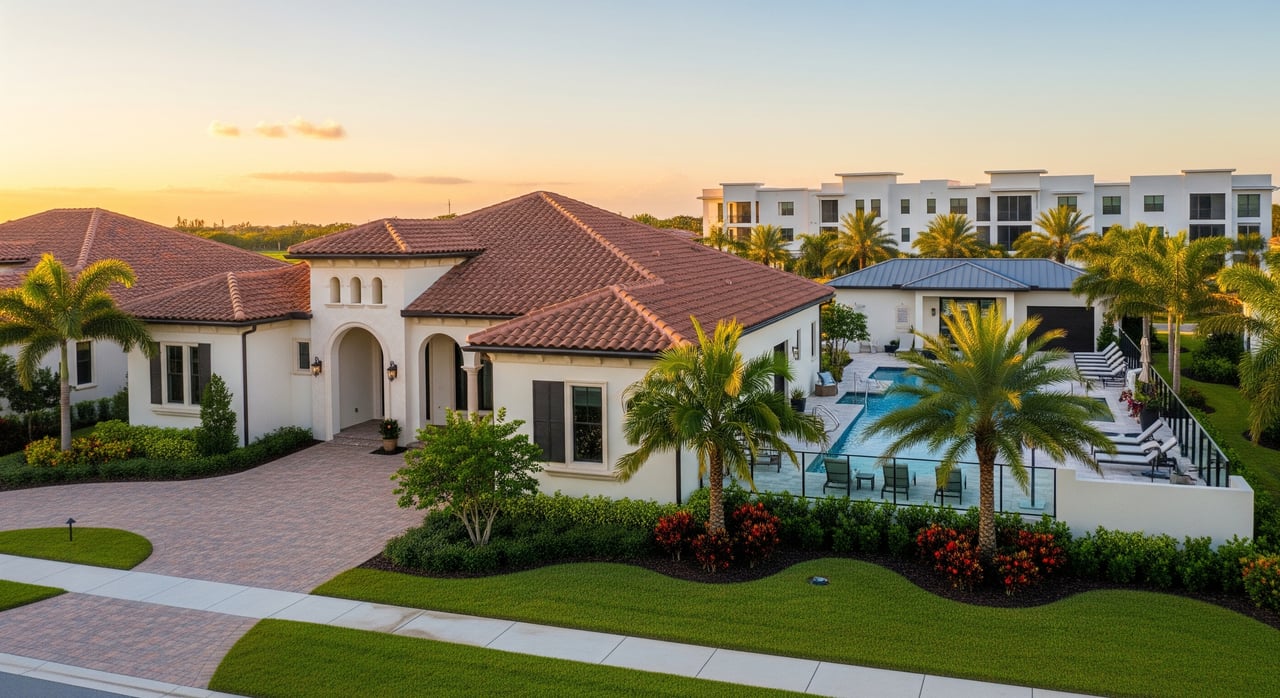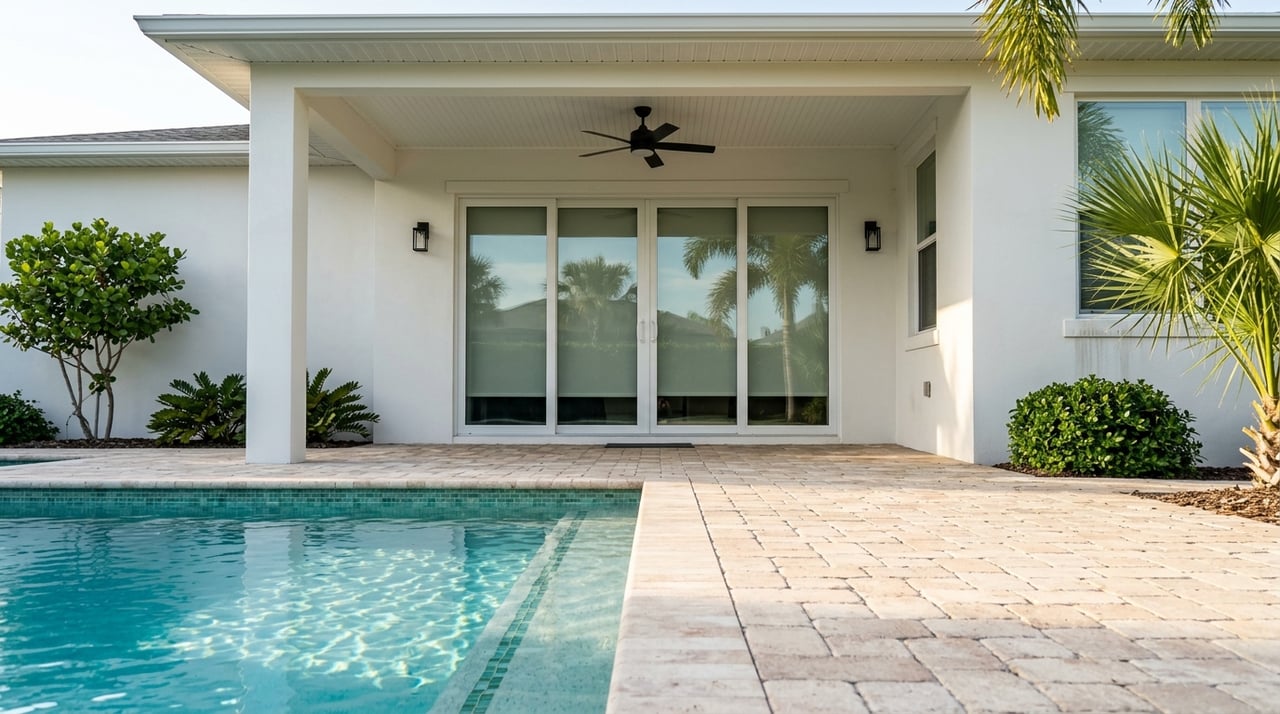
Are you picturing Naples as your winter escape, or wondering if it makes more sense as your full-time home base? That choice matters more than many buyers expect because your day-to-day lifestyle, home care routine, and even tax treatment can look very different depending on how you plan to live here. If you are weighing seasonal versus year-round living in Naples, this guide will help you compare the practical trade-offs with more confidence. Let’s dive in.
Why Naples Fits Both Lifestyles
Naples appeals to both seasonal and full-time residents because the climate supports outdoor living most of the year. The City of Naples describes a high-sunshine, tropical climate with more than 300 sunny days annually, and NOAA data for Naples shows an annual mean temperature of 75.5°F.
That said, the experience changes by season. Winter and early spring are generally drier and milder, while summer brings more heat, humidity, and rain. January averages about 74.8°F for highs and 55.9°F for lows, while July and August average around 90.8°F to 90.9°F for highs with lows in the mid-70s.
Seasonal Living in Naples
What seasonal living usually means
Seasonal living in Naples often means using your home during the cooler, drier months and spending the rest of the year elsewhere. For many buyers, that lines up perfectly with the time of year when Naples is most active and most comfortable for outdoor plans.
The City of Naples describes December through April as the relatively dry tourist season. Collier County also notes that peak tourist season runs from January to April and brings a major influx of visitors to the Naples-Marco Island area.
Why buyers choose seasonal ownership
If you want Naples as a winter retreat, seasonal ownership can be a great fit. You get to enjoy the milder weather, active social calendar, and the energy that comes with peak season.
Many second-home buyers like the flexibility this offers. You can make Naples your destination home without changing your primary residence status elsewhere.
The trade-offs of leaving a home vacant
The biggest difference with seasonal living is what happens when you are not here. A home that sits empty through hot, humid, rainy months usually needs more planning than buyers first expect.
Naples summers can be demanding on a property. Heat, humidity, frequent rain, and tropical-storm exposure can make an unattended home more management-intensive than one used year-round.
Seasonal owner planning checklist
If you expect to leave your Naples home for part of the year, it helps to plan ahead for care and storm season.
- Complete major vegetation cutting and tree removal before June 1, which Collier County identifies as the start of hurricane season
- Secure outdoor debris and carts once a storm is named or a warning is issued
- In gated communities, confirm whether an annual Right-of-Entry and indemnification form is required before hurricane season for debris contractors
- Build a routine for checking on the property during the summer months
Year-Round Living in Naples
What full-time living can offer
If Naples will be your primary home, year-round living offers a different kind of value. You are not just enjoying the lifestyle during peak season. You are also living through the quieter parts of the year and getting the benefit of continuous oversight of your property.
That can be especially helpful in a climate like Naples. Full-time occupancy often means you are more likely to catch leaks, HVAC concerns, or moisture issues sooner rather than later.
Homestead matters for full-time residents
For many buyers, one of the biggest financial differences is Florida homestead treatment. According to the Florida Department of Revenue, a homestead exemption applies when the property is your permanent residence and can reduce taxable value by as much as $50,000.
The same source says homestead status also qualifies the home for the Save Our Homes assessment limitation. After the first year a property receives homestead exemption, assessment increases are limited to the lower of 3% or the Consumer Price Index.
Local Collier County homestead rules
If you are planning to make Naples your legal residence, local filing details matter. Collier County says new homestead applications must be filed in person by March 1.
The Collier County Property Appraiser also states that you must be a permanent resident of Florida as of January 1 for the year of application. The county further notes that applicants are not entitled to the exemption if they or a spouse are receiving residency-based exemptions in another state.
Extra exemption for some seniors
Some full-time residents may also qualify for an additional local benefit. Collier County says Naples and Collier approved an additional homestead exemption for senior citizens age 65 and over, with the amount not to exceed $50,000.
For 2026, the county says the household adjusted gross income limit is $38,686. Applicants must own and reside on the property as of January 1 and submit the application by June 1.
Lifestyle Differences to Expect
Winter pace versus summer pace
One of the most noticeable differences between seasonal and year-round living is the rhythm of the city. During winter, Naples tends to feel busier because that is when the area sees peak visitor activity.
Collier County reports that peak season brings 70,000 to 80,000 visitors, especially near beaches and golf-course communities in the Naples-Marco Island area. In practical terms, that often means a livelier winter atmosphere and a quieter summer feel.
Daily convenience versus flexibility
Seasonal living often works best if you want flexibility and a winter-focused lifestyle. Year-round living may feel more practical if you want one consistent home base and the ability to stay on top of property needs in real time.
Neither path is automatically better. The right fit depends on whether you see Naples as a destination home or your permanent home.
Cost and Ownership Planning
The cost comparison is not just purchase price
When buyers compare seasonal and full-time ownership, the decision is often less about purchase price and more about how the home will function. Seasonal owners may use fewer day-to-day utilities, but that does not remove the need for maintenance planning and storm preparation.
Year-round owners may have more ongoing utility and upkeep costs because they are using the home continuously. At the same time, they often gain the advantage of spotting maintenance issues before they become larger problems.
Flood and storm planning matter either way
No matter how you plan to use the home, storm readiness should be part of your decision. Collier County emphasizes preseason vegetation work, securing garbage and recycle carts when warnings are issued, and sorting storm debris after an event.
Flood risk should also be reviewed by property, not assumed by area. FEMA’s Flood Map Service Center is the official public source for flood-hazard information by address, so checking the specific parcel is an important step during your home search.
How to Decide Which Option Fits You
Seasonal living may fit you if
Seasonal ownership may be the better choice if you:
- Want Naples primarily as a winter base
- Prefer lifestyle flexibility
- Plan to keep your primary residence elsewhere
- Feel comfortable managing a home that may sit vacant part of the year
Year-round living may fit you if
Full-time ownership may make more sense if you:
- Want Naples to be your permanent residence
- Want to explore homestead-related tax benefits
- Prefer continuous oversight of your home
- Are relocating or retiring and want one steady home base
A smart way to frame the decision
If you are torn between the two, start with one simple question: will Naples function more like a getaway home or your permanent address? That answer usually shapes everything else, from your annual routine to your tax planning to the type of property that will serve you best.
For some buyers, a low-maintenance condo used during season is the right move. For others, year-round living in Naples offers the stability, oversight, and long-term planning advantages they want.
Whether you are relocating, buying a second home, or narrowing your options in Collier County, having local guidance can make the decision much clearer. If you want help thinking through seasonal versus full-time ownership in Naples, connect with Doreen Doyle | The Doyle Group for thoughtful, personalized guidance.
FAQs
What is the main difference between seasonal and year-round living in Naples?
- Seasonal living usually means using your Naples home during the winter and leaving it vacant for part of the year, while year-round living means Naples is your full-time home and your property gets continuous oversight.
What is Naples weather like for seasonal versus full-time residents?
- Naples has more than 300 sunny days a year, with milder and drier conditions from roughly December through April and hotter, wetter summers with more rain and humidity.
What should seasonal homeowners in Naples plan for before leaving town?
- Seasonal owners should plan for home monitoring, storm readiness, and preseason maintenance such as vegetation trimming before June 1, plus securing outdoor items when a storm warning is issued.
What are the homestead rules for full-time Naples residents in Collier County?
- Collier County says you must be a permanent Florida resident as of January 1, file a new homestead application in person by March 1, and not receive residency-based exemptions in another state.
What tax benefit can full-time Naples homeowners receive with homestead exemption?
- The Florida homestead exemption can reduce taxable value by as much as $50,000, and qualifying homes may also receive the Save Our Homes assessment limitation.
What additional senior exemption is available for some Naples homeowners?
- Collier County says homeowners age 65 and over may qualify for an additional homestead exemption of up to $50,000 if they meet income, ownership, residency, and filing requirements.
What flood-risk step should buyers take when choosing a Naples home?
- Buyers should check flood-hazard information by the specific property address because flood profile can vary from one parcel to another.