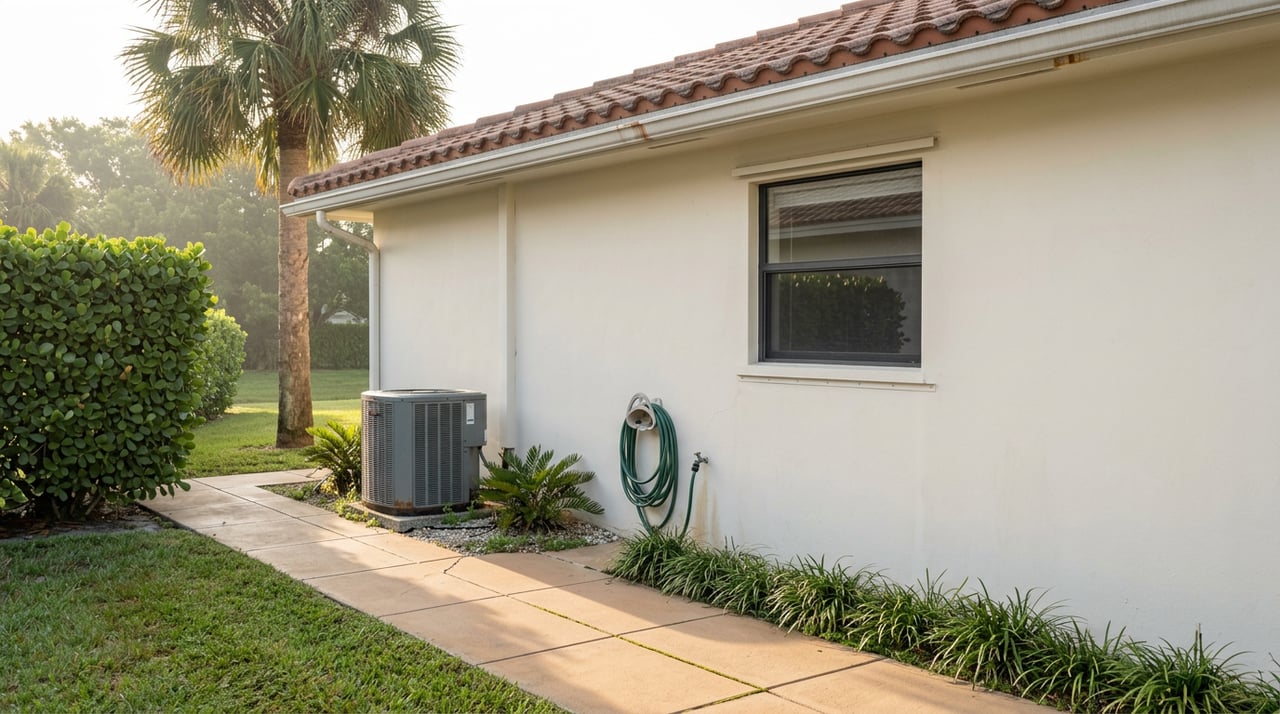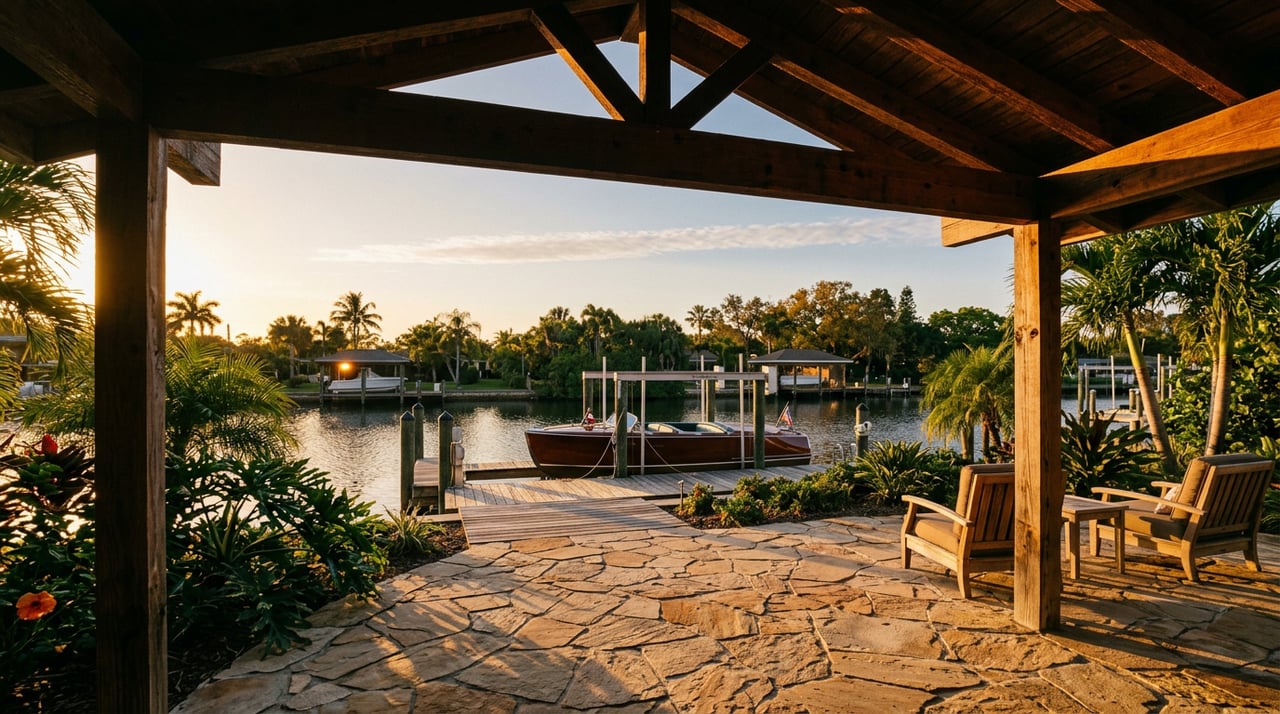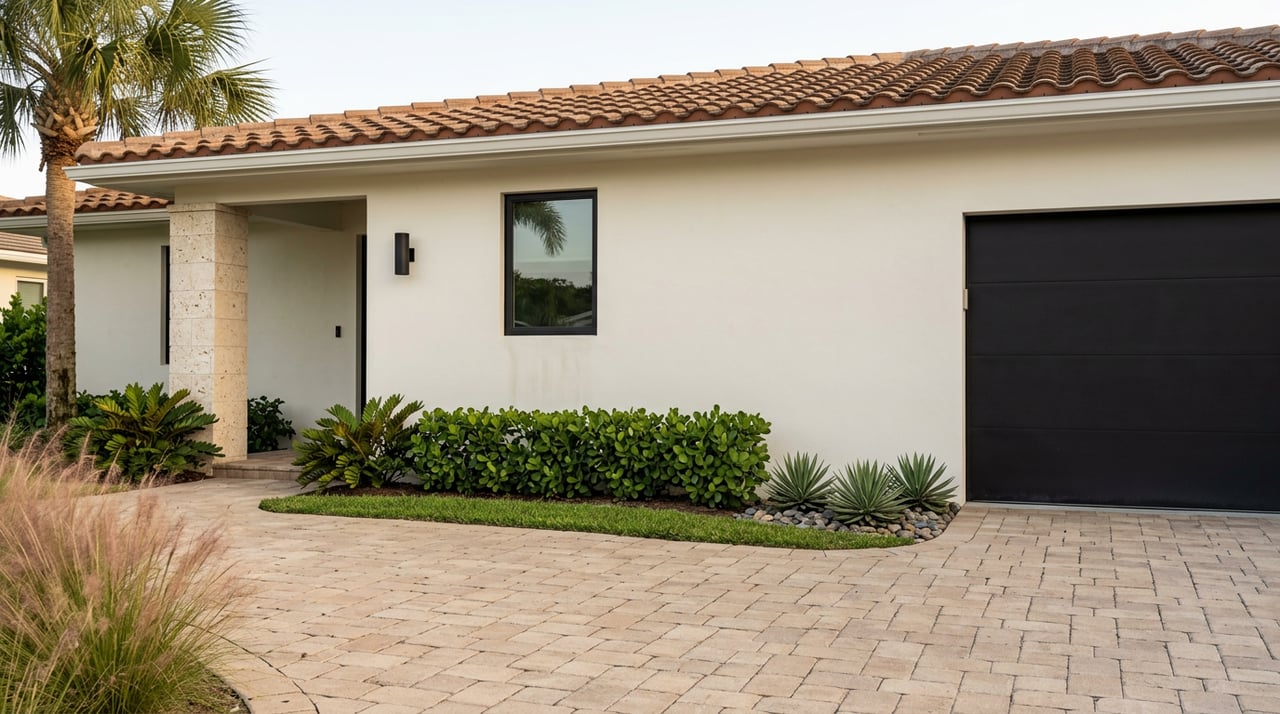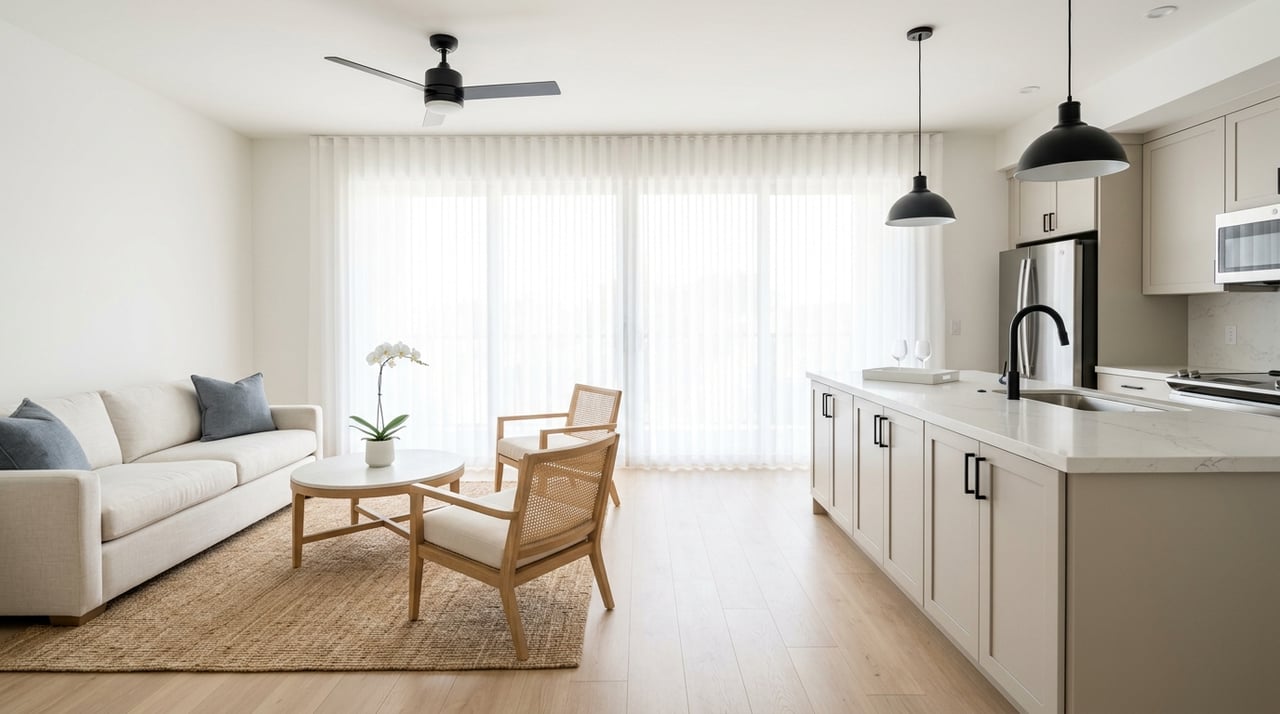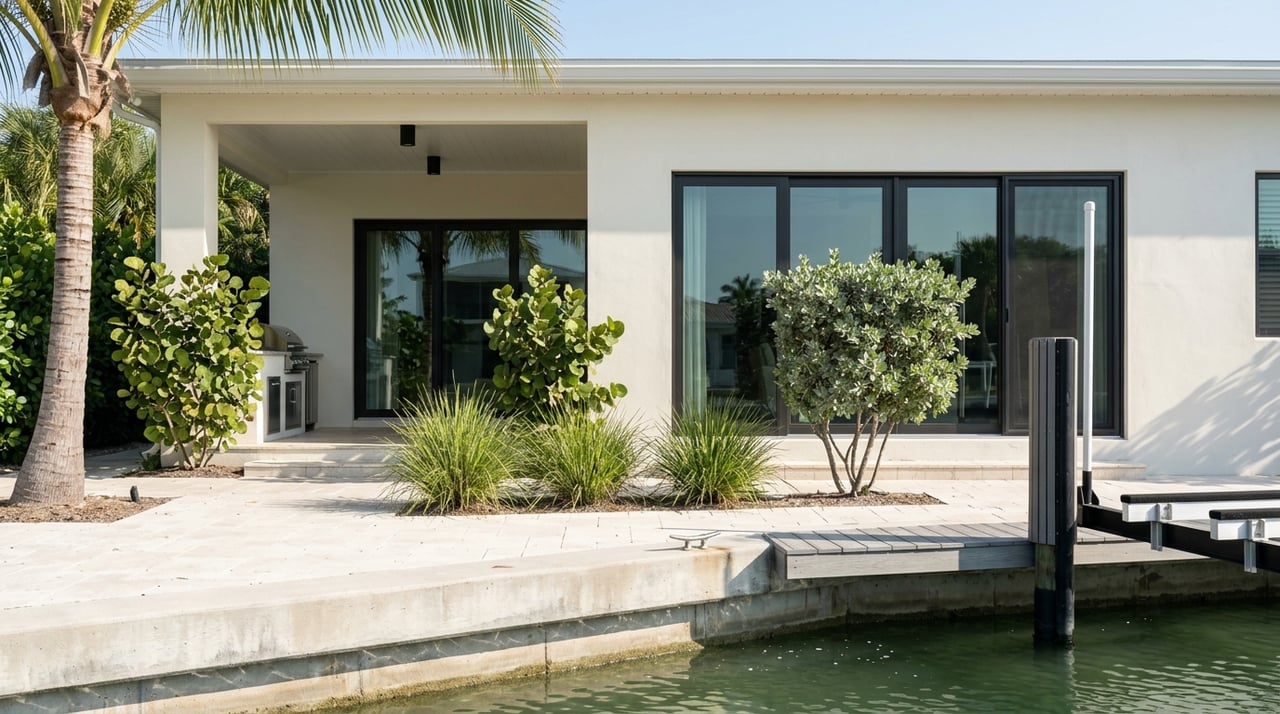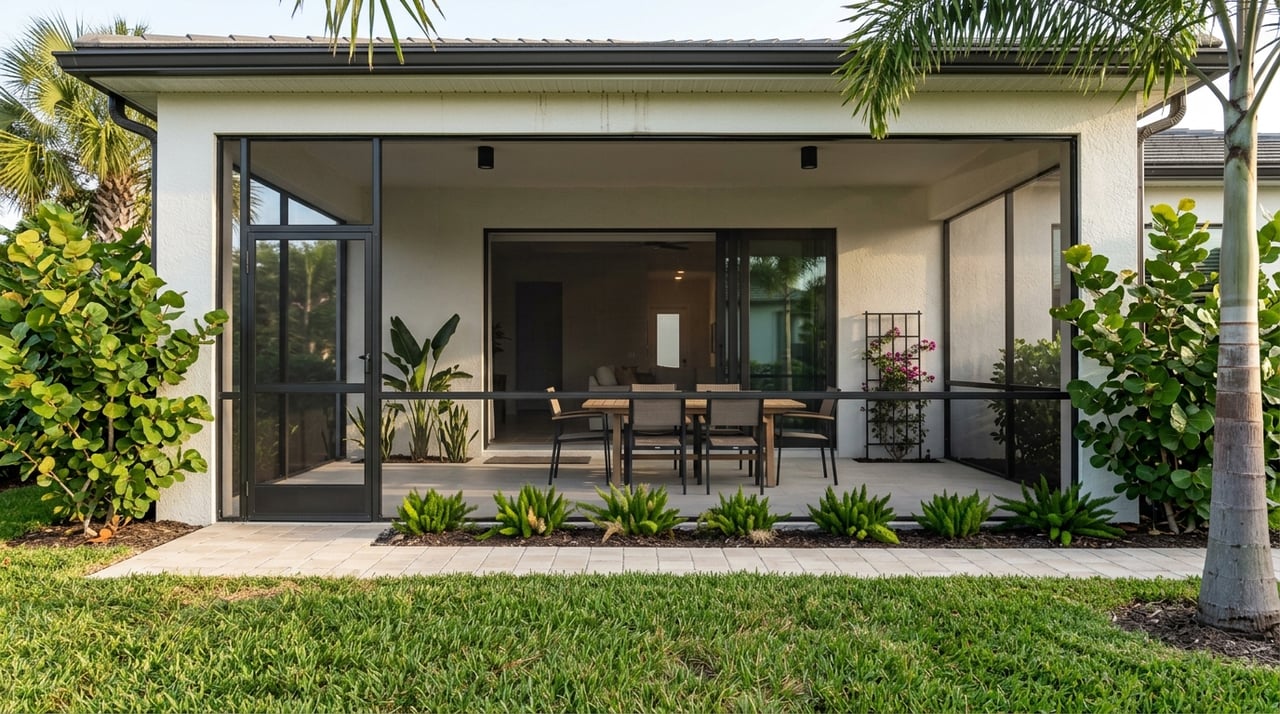
Thinking about buying a second home in Bonita Springs? It can be an exciting step, whether you want a sunny seasonal escape, a place for family visits, or a property that may help generate rental income. The key is knowing that in Bonita Springs, your intended use affects far more than the search itself, including community rules, local permits, taxes, and long-term costs. If you get clear on those details early, you can shop with more confidence and fewer surprises. Let’s dive in.
Start With the Home’s Purpose
Before you compare floor plans, amenities, or views, decide what job the property needs to do for you. That one choice shapes which homes make sense and which ones could create headaches later.
If you plan to use the home only for your own seasonal living, the process is often more straightforward. You may have fewer rule-related issues to manage, and your ownership costs can be easier to predict.
If you want a place for seasonal use with family or guests, look closely at guest occupancy limits, parking rules, and whether the community requires visitor registration. These details may seem small at first, but they can affect how comfortably you use the home.
If rental income is part of the plan, you need to confirm that use before you buy. In Florida, renting an entire unit more than three times in a calendar year for stays shorter than 30 days or one calendar month can trigger vacation-rental licensing requirements.
Match Your Goals to Property Type
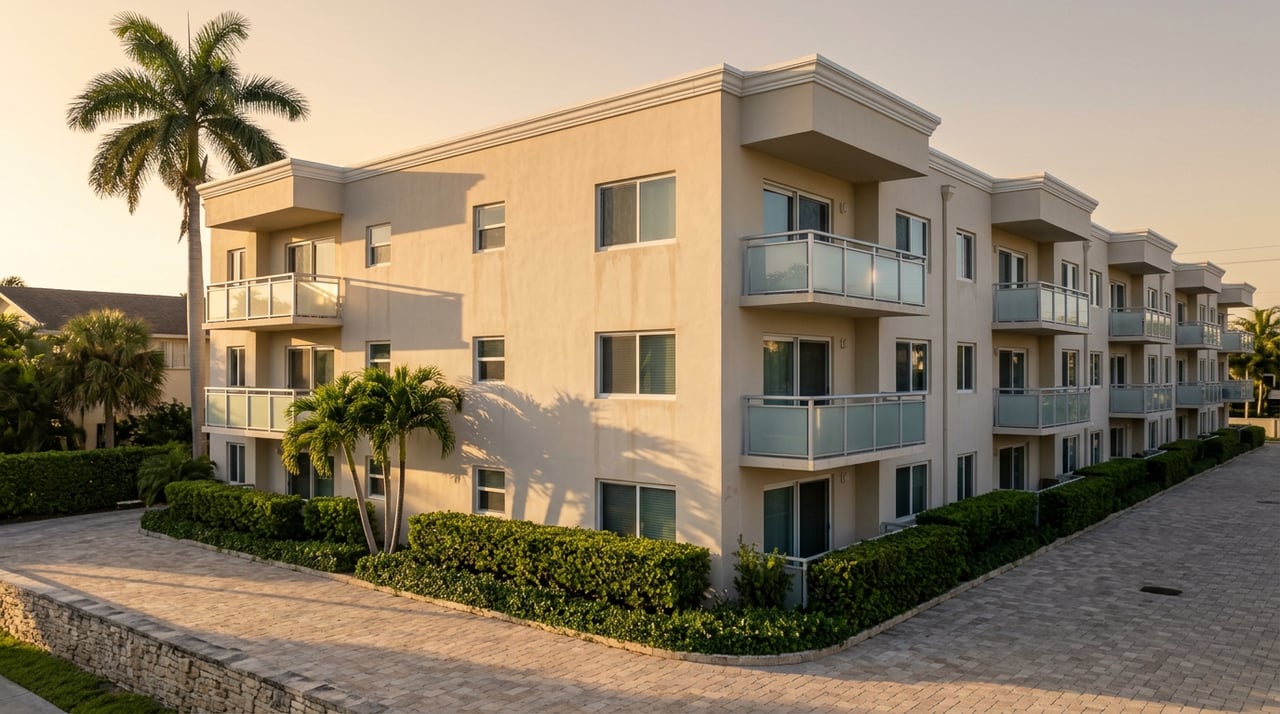
Not every second home fits every ownership style. In Bonita Springs, the difference between a condo, HOA community, and single-family home can be significant.
Condo Rules Matter More Than You Think
In a condo, access to common areas and recreational facilities generally extends to owners and their invited guests, but the association may adopt reasonable rules for how those spaces are used. That means the declaration, bylaws, and rules deserve just as much attention as the listing photos.
If you are considering occasional rentals, condo rules are especially important. Rental restrictions may apply depending on when the rule was adopted and when you purchase, so you want to understand the current framework before making an offer.
HOA Homes Need Careful Review Too
If you are buying in an HOA community, the association may regulate or prohibit rental agreements shorter than six months and rentals more than three times in a calendar year. That can directly affect whether a property works for part-time use with occasional leasing.
HOA communities can also have practical rules around guest parking, occupancy, and use of amenities. For a second-home buyer, those day-to-day rules can matter just as much as the monthly dues.
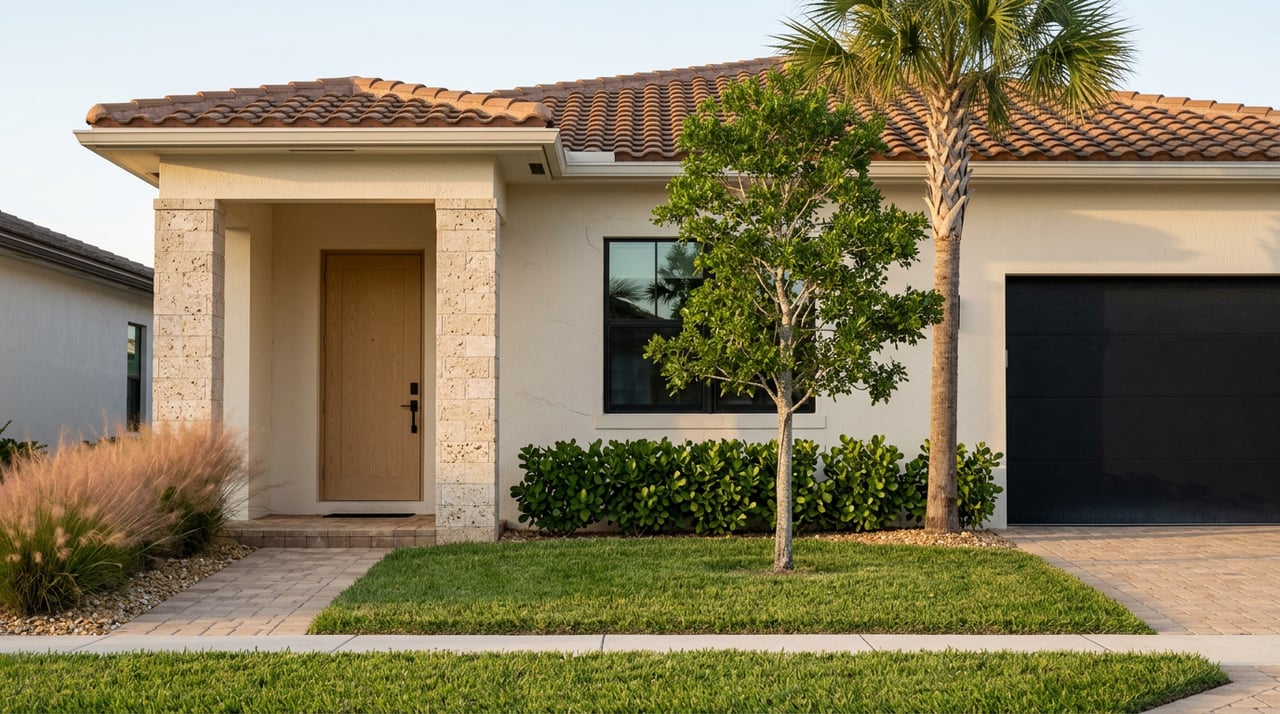
Single-Family Homes Still Need Due Diligence
A single-family home may offer more flexibility in some cases, but you should not assume it is free of restrictions. If the home is in an association-governed community, the association documents still need review.
You also need to check local rental permit requirements if you are not planning to occupy the home full time. A property that looks perfect online may not align with your actual use plan once the rules are reviewed.
Review Community Documents Early
One of the smartest moves you can make is asking for documents as early as possible. For out-of-state and second-home buyers, paperwork often reveals the real story.
What Condo Buyers Should Request
Before signing, condo buyers should review:
- The declaration
- The bylaws
- The current rules and regulations
- Current financial documents
- Any required structural safety disclosures referenced in the contract, when applicable
These documents can tell you whether rentals are allowed, how long leases must be, what assessments may apply, and how the building is being managed.
What HOA Buyers Should Know
HOA buyers must receive a disclosure summary before executing the contract. If that summary was not provided earlier, the contract can generally be voided within three days after the summary is delivered.
That makes timing important. If you are buying from out of state, ask for these materials early so you have time to review the rules without feeling rushed.
Understand Bonita Springs Rental Permit Rules
If you hope to rent out your second home at any point, local rules need a close look. In Bonita Springs, many non-owner-occupied rental units within city limits require a rental permit, a $100 per-unit fee, and an inspection, and the permit is valid for three years.
The city also treats some association-governed communities differently from non-association rentals. That is why two similar-looking properties may not carry the same rental path.
For buyers, the takeaway is simple. Do not rely on assumptions or marketing language when rental income is part of your decision. Confirm whether the city permit applies and whether the association’s rules support your intended lease pattern.
Build a Realistic Second-Home Budget
A second home comes with more than a mortgage payment. In Bonita Springs, it is important to budget for the full carrying cost so the home supports your lifestyle instead of straining it.
Property Taxes and Homestead Limits
A second home generally does not qualify for Florida’s homestead exemption. The exemption applies when the owner makes the property a permanent residence, and Lee County also ties homestead to living in the dwelling as a permanent home.
That does not mean taxes are unlimited. Florida nonhomestead residential property has a 10 percent annual cap on assessed value increases after the property becomes eligible or changes ownership, which can help moderate future tax growth.
It also helps to know the payment calendar. Florida property taxes are due November 1, with discounts of 4 percent in November, 3 percent in December, 2 percent in January, 1 percent in February, and no discount in March.
Association Dues and Assessments
If you buy in a condo or HOA community, dues should be treated as a fixed ownership cost. They are not an optional extra.
Association documents and disclosures should also be reviewed for assessments and financial obligations. For second-home buyers, these costs are a major part of the affordability picture.
Insurance and Flood Planning
Flood insurance deserves separate attention. Standard homeowners policies do not include flood coverage, and Bonita Springs participates in the National Flood Insurance Program.
The city has also noted that elevation certificates are used for flood rating and can materially affect premiums. In 2024, the city reported that NFIP policyholders maintained a 25 percent discount under the city’s CRS rating.
Ongoing Ownership Costs
Your budget should also leave room for the everyday and seasonal costs that come with owning from a distance. These may include:
- Utilities
- Routine maintenance
- Cleaning
- Storm preparation
- Property management costs, if you plan to be out of state for long periods
When you plan for the full picture upfront, you can make a stronger and calmer buying decision.
Plan for an Out-of-State Purchase
Many Bonita Springs second-home buyers are purchasing from another state. That process can work smoothly, but it helps to have a clear plan.
Use a Remote-Friendly Workflow
A practical purchase process often looks like this:
- Virtual touring
- Inspection scheduling
- Early document review
- Closing coordination
- Post-closing planning for keys, utilities, maintenance, and hurricane readiness
This structure helps you stay organized and reduces last-minute surprises.
Remote Closings May Be Possible
Florida authorizes online notarizations, and state law allows appearing before a notary through audio-video communication. In practice, that means some signing steps can often be handled remotely if your title company or lender supports that process.
That can be especially helpful if you are balancing travel plans, work commitments, or a limited window to visit Southwest Florida.
Questions to Answer Before You Buy
As you narrow your options in Bonita Springs, keep these questions front and center:
- Is this home for personal use only, seasonal use, or rental income?
- If rentals are allowed, what is the minimum lease length?
- Can guests stay when you are not present?
- Does the City of Bonita Springs rental permit apply?
- Is the property in an association-governed community with separate rules?
- What will taxes, insurance, dues, utilities, and maintenance add up to each year?
- Have you reviewed the key documents before signing?
The more clearly you answer these questions, the easier it becomes to choose a home that truly fits your goals.
Buying a second home in Bonita Springs should feel exciting, not uncertain. When you match the property to your intended use, review the rules early, and budget for the full cost of ownership, you put yourself in a much stronger position to buy with confidence. If you want experienced local guidance as you compare condos, townhomes, or single-family options, Doreen Doyle | The Doyle Group can help you navigate the details with care and clarity.
FAQs
What should you decide first when buying a second home in Bonita Springs?
- You should first decide whether the home is for personal seasonal use, family visits, or rental income, because that choice affects taxes, permits, and community rules.
What rental rules matter for a Bonita Springs second home?
- You should confirm the minimum lease term, how often the property can be rented, whether short stays are allowed, and whether state vacation-rental licensing or city rental permit rules apply.
What documents should condo buyers review in Bonita Springs?
- Condo buyers should review the declaration, bylaws, rules and regulations, current financial documents, and any required structural safety disclosures referenced in the contract.
What should HOA buyers know before buying in Bonita Springs?
- HOA buyers should know they must receive a disclosure summary before executing the contract, and they should review rental, guest, parking, and amenity rules early in the process.
Does a second home in Bonita Springs qualify for Florida homestead exemption?
- A second home generally does not qualify because Florida homestead is tied to a permanent residence.
What costs should you budget for with a Bonita Springs second home?
- You should budget for property taxes, association dues, possible assessments, insurance, flood-related costs, utilities, maintenance, cleaning, storm preparation, and any property management expenses.
Can you close remotely on a second home in Bonita Springs?
- Some closing steps can often be handled remotely because Florida authorizes online notarizations, provided your title company or lender supports that process.