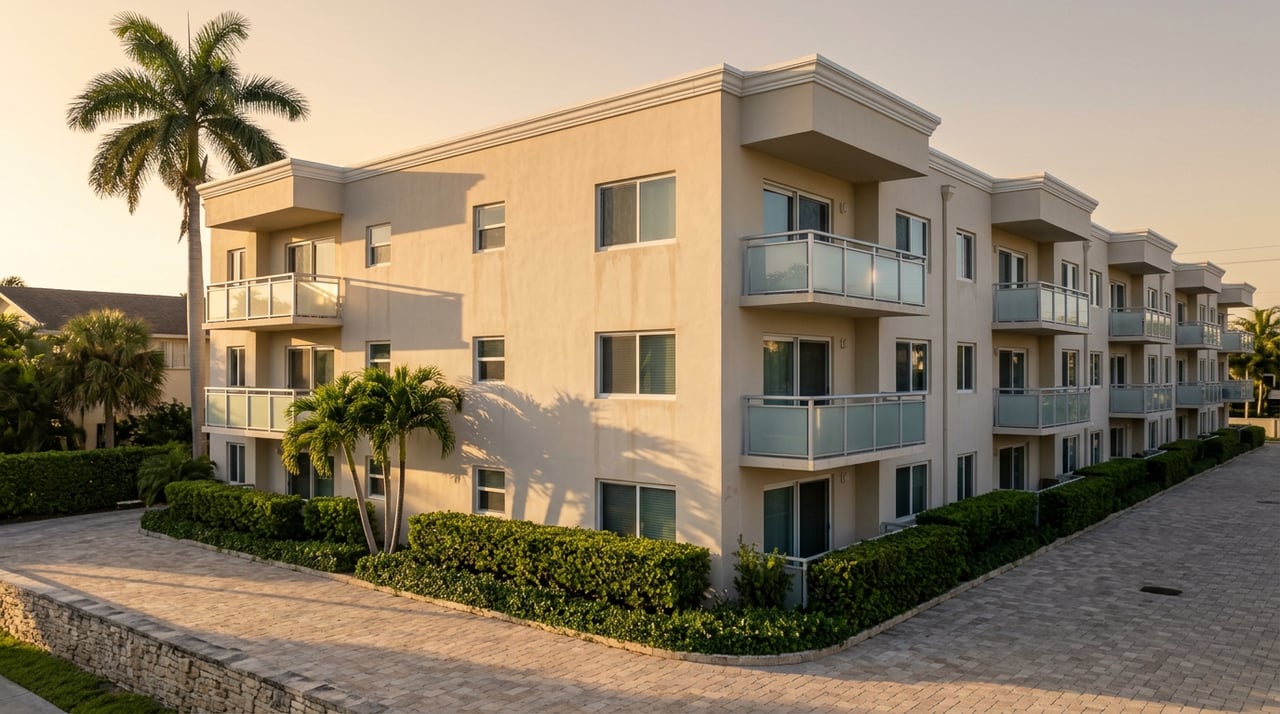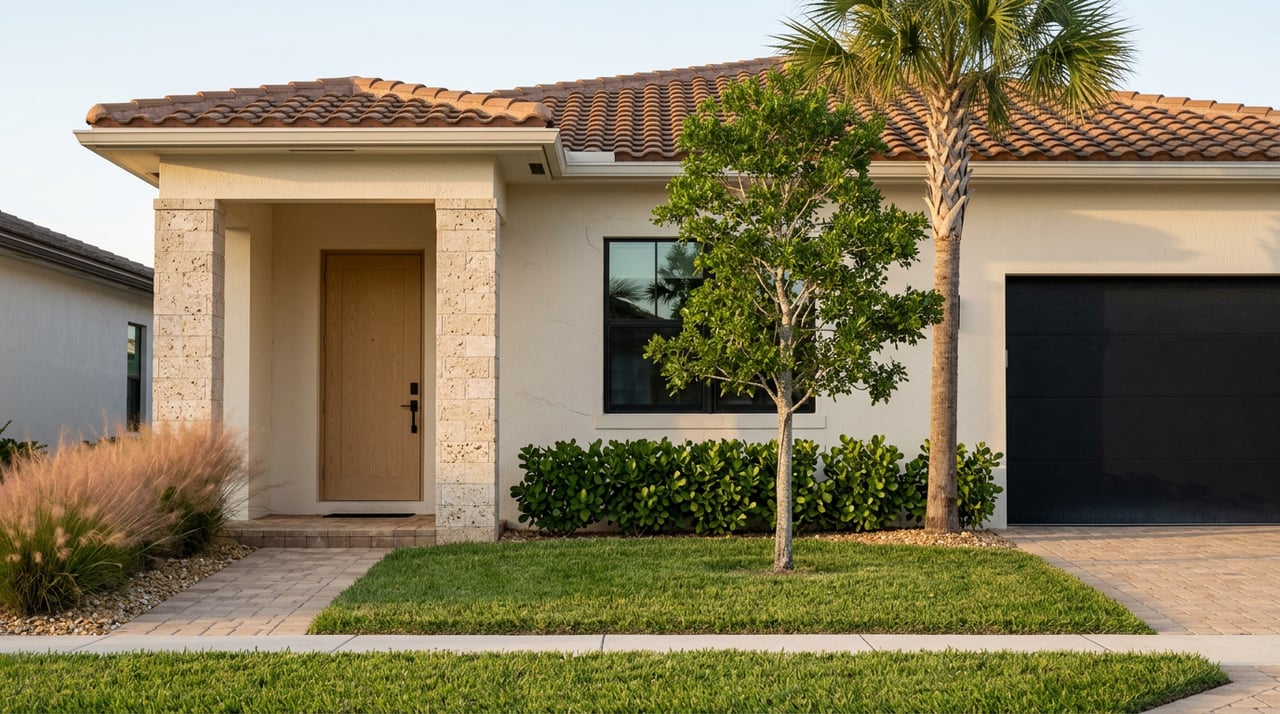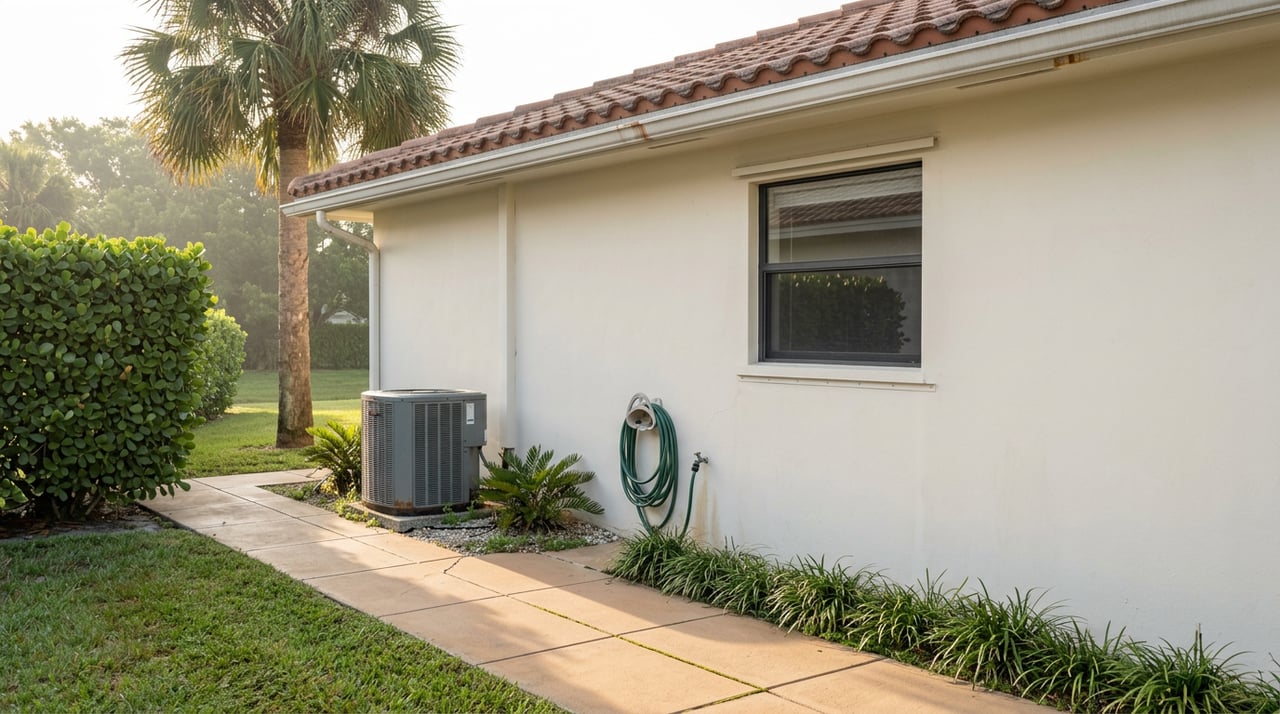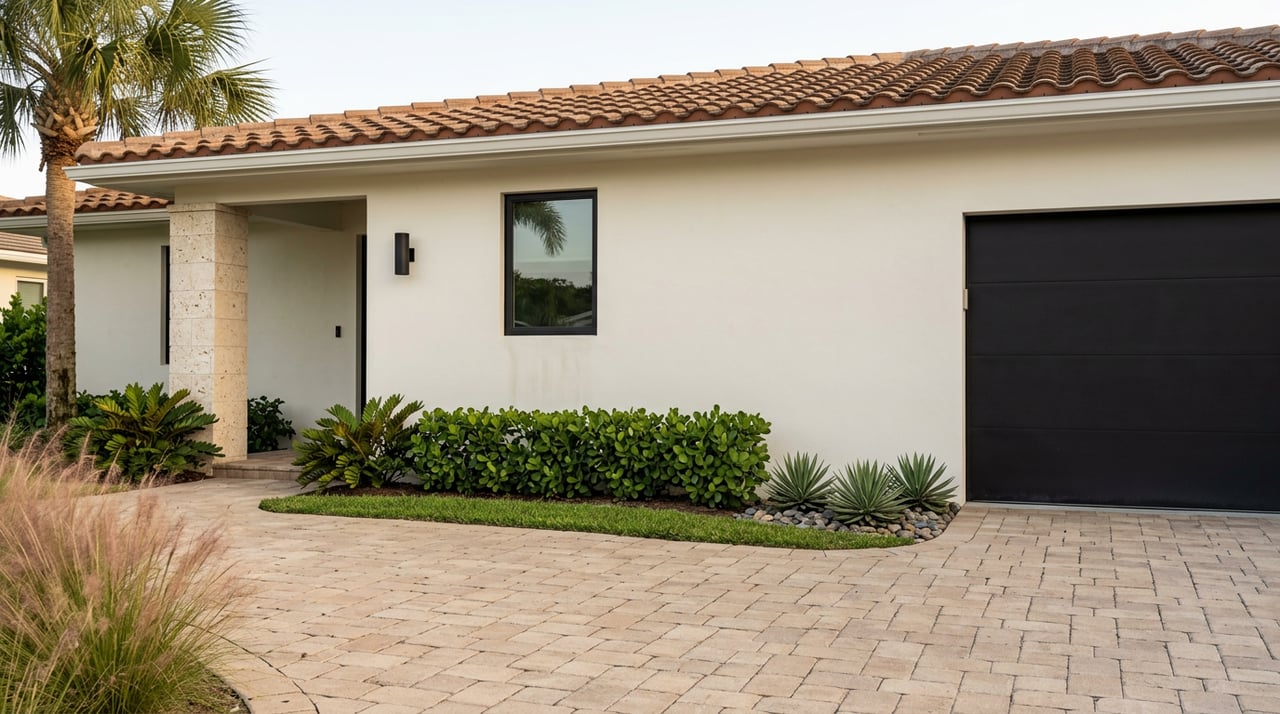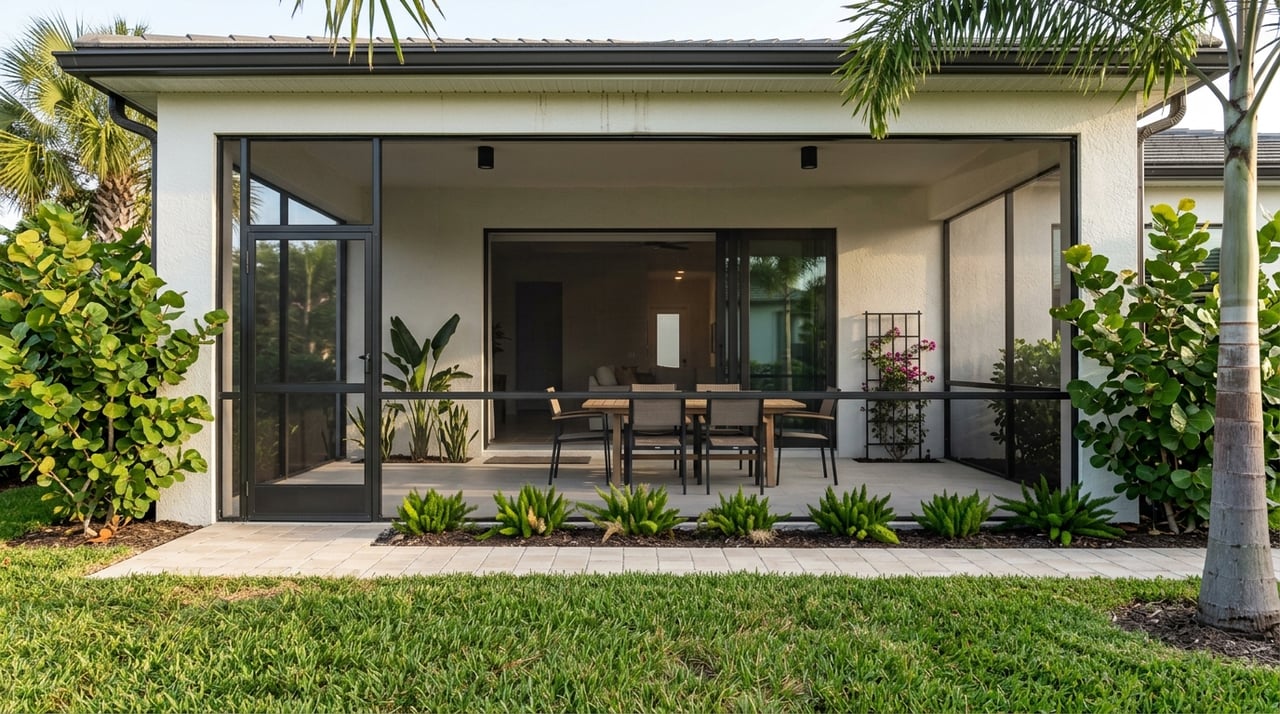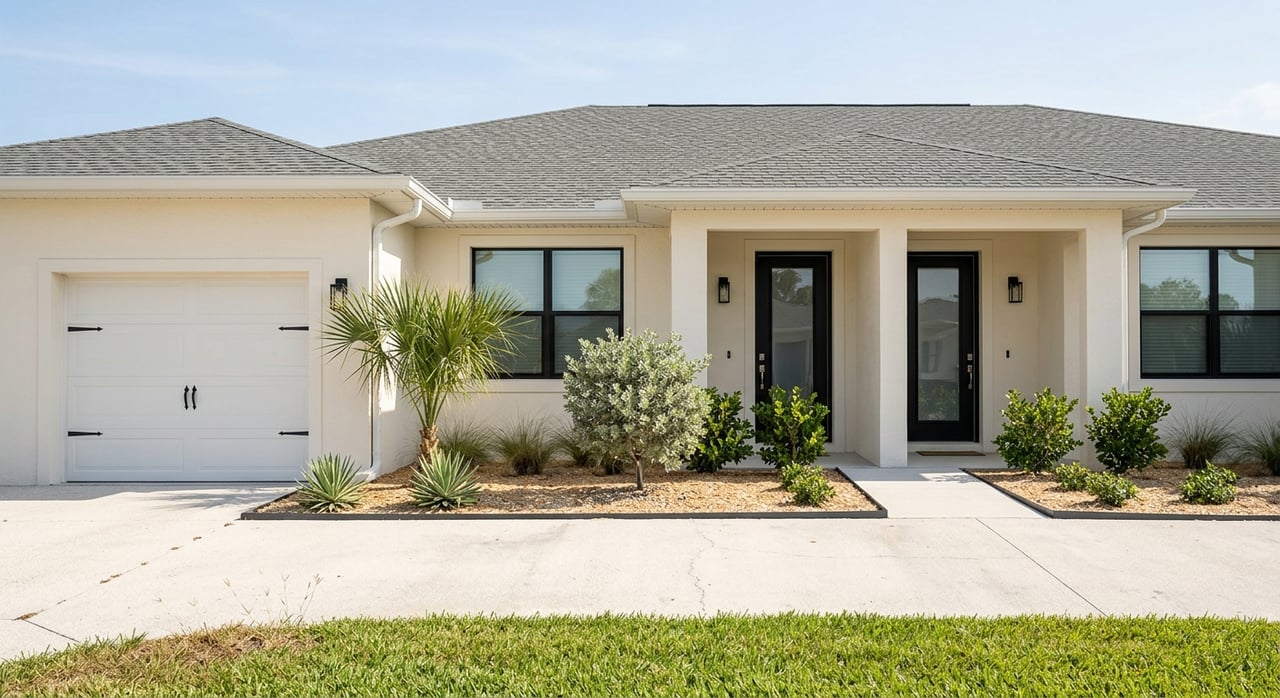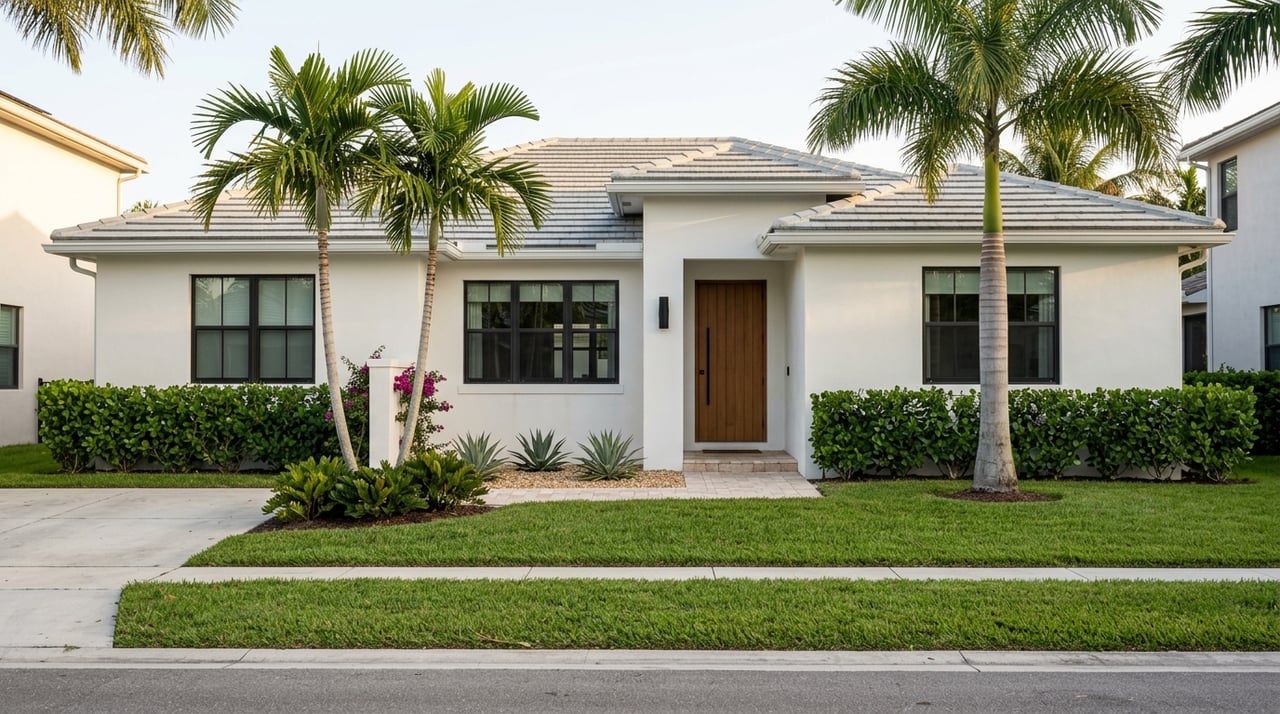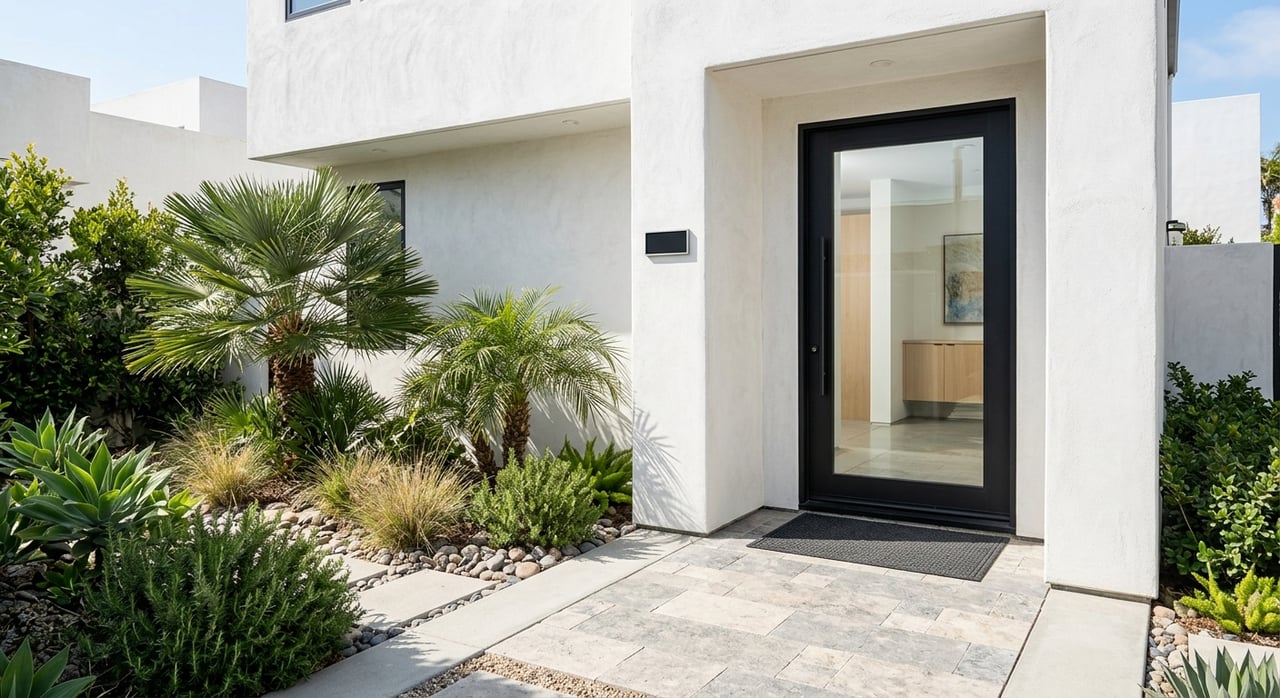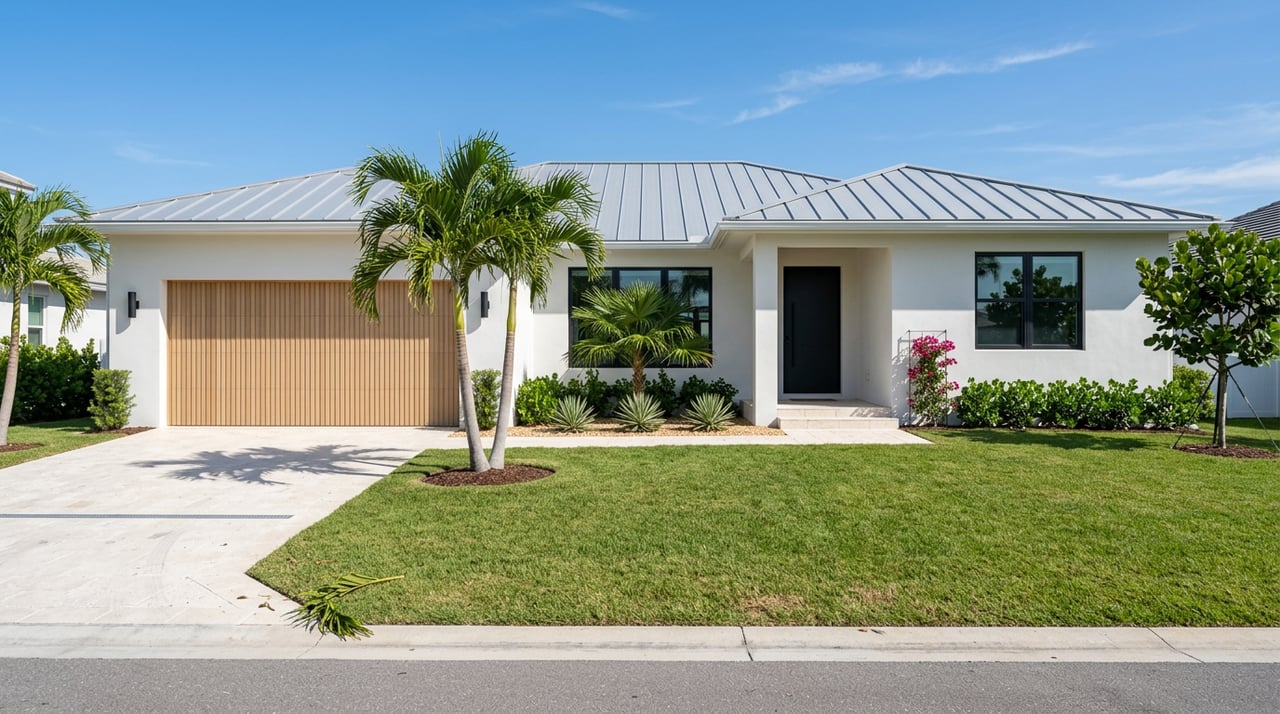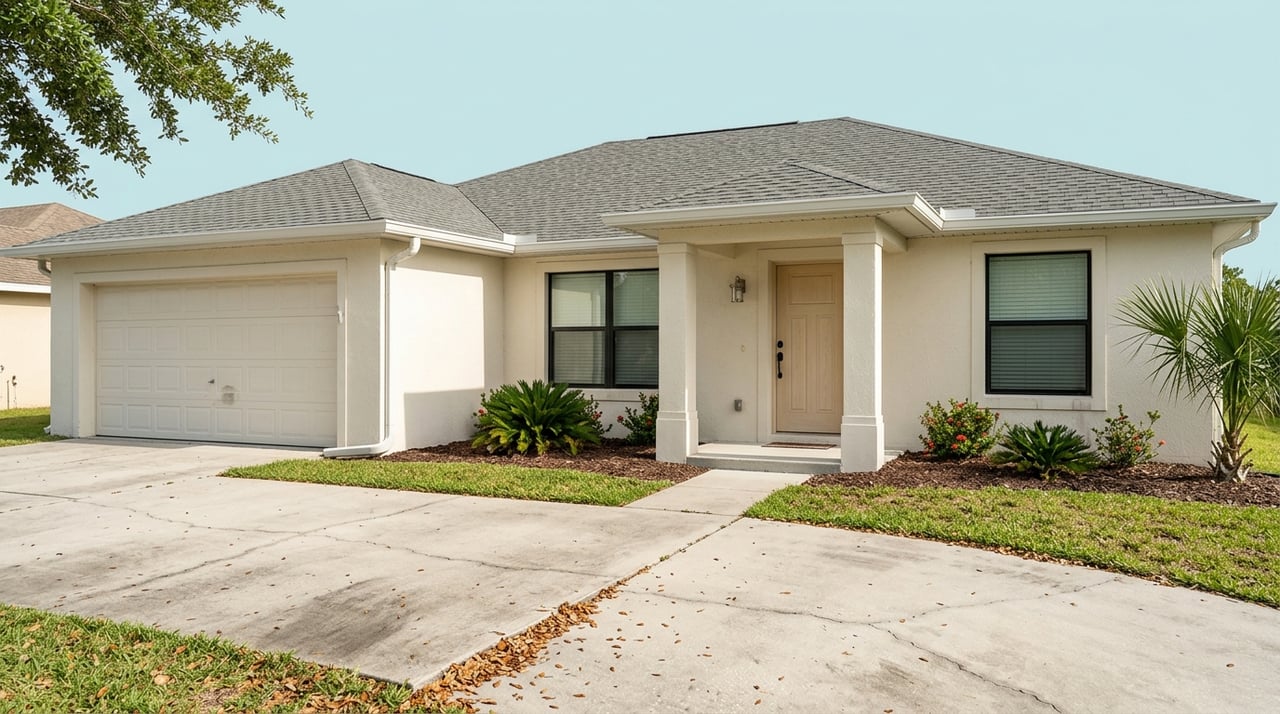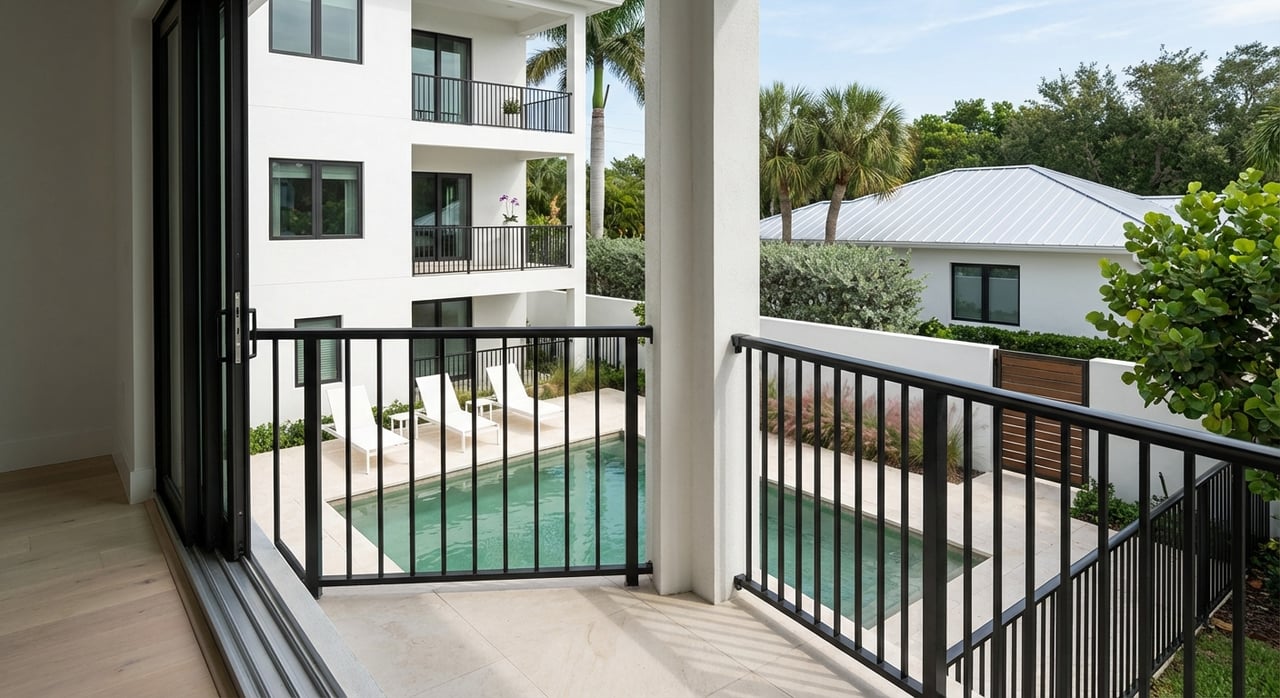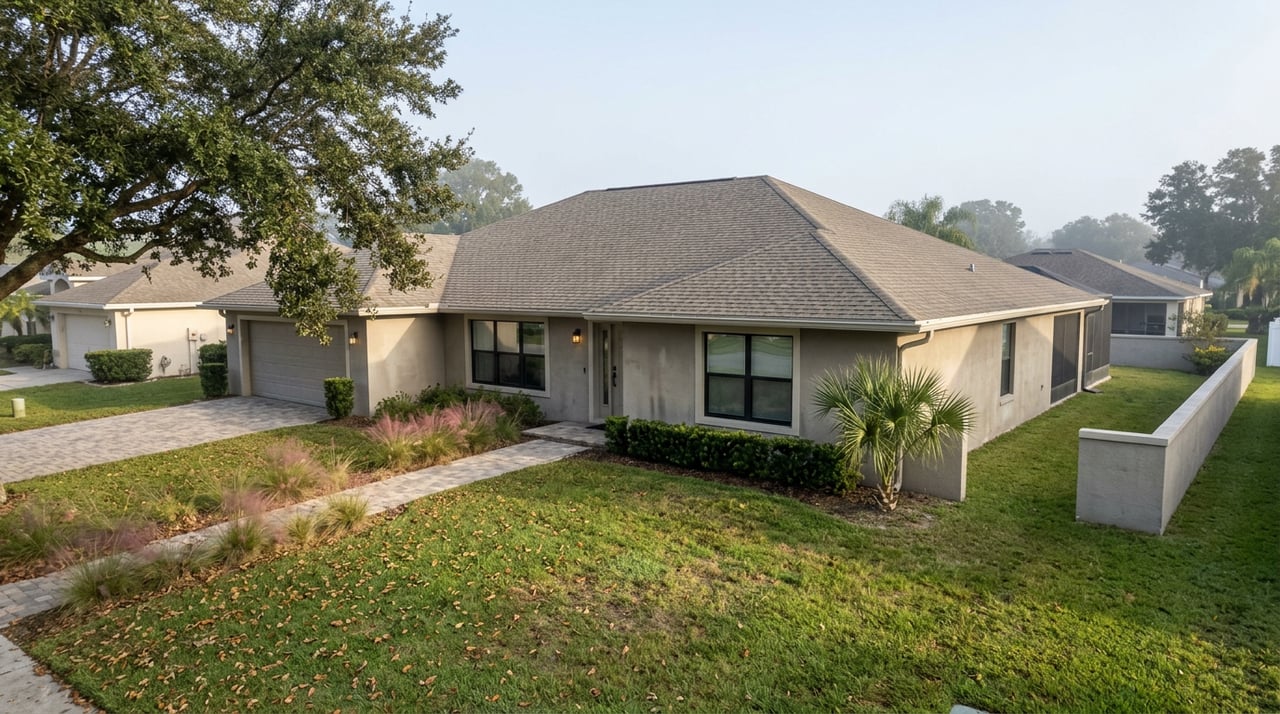
Picture two nearly identical three-bedroom ranch homes in Lehigh Acres, half a mile apart. Same builder, same age, same septic tank size, same quarter-acre lot. One sits a few streets north of Lee Boulevard. The other sits inside it. For years, a buyer touring either house would have had the same conversation with the seller: when was the tank last pumped, has the drain field ever backed up, is there a permit on file. Today, the two homes may be affected differently by a planned sewer project; the sewer line itself has not yet been built.
The Florida Governmental Utility Authority is designing a gravity sewer system for a stretch of Lehigh Acres along the Lee Boulevard corridor, in an area the utility identifies internally as census tract 403.05. The project, listed in FGUA's capital plan as LEP 35, would convert homes currently running on individual septic systems over to a centralized sewer main. As of FGUA's own first-quarter 2026 capital project update, the engineering firm Jones Edmunds has begun the design process, with design work targeted for completion in the third quarter of 2026. Construction has not started. But the pipeline of decisions around the project is already moving.
That distinction, design underway versus construction complete, matters more to a seller than most disclosure checklists let on.
What's Actually Happening on the Ground
A September 2025 report by WINK News put a number on the scope: the conversion project affects roughly 290 homes. The state has already committed real money to it, with $7.5 million in funding provided and FGUA seeking additional grants to reduce what individual homeowners end up owing. A related Florida Senate local funding request for fiscal year 2025-2026 describes a companion piece of the same effort, converting up to 300 septic systems in the FGUA Lehigh Acres service area with half the cost covered by a Florida Department of Environmental Protection water quality grant.
The stated reason for all of this isn't cosmetic. FGUA has said replacing septic tanks with a central sewer system in this pocket of Lehigh Acres could keep an estimated 4,500 pounds of nitrogen a year out of the Caloosahatchee River Basin. That's the environmental case for the project. The financial case is what residents are actually wrestling with.
"There are a lot of people who invested in new septic systems. And for them, it's a burden because, you know, it's another expense on top of it."
That's how one Lehigh Acres resident, Reinaldo Santiago, described the situation to WINK News. Another resident, Lisa Harmon, put it more simply: she figured a sewer conversion was coming eventually, but knew it meant "another bill." A third, Luis Oquendo, raised the point that stings most for a place with a large retiree population: fixed incomes don't flex easily for unplanned utility assessments.
None of those homeowners were talking to a real estate agent when they said it. They were talking to a TV reporter about their water bill. Their accounts also show why buyers and sellers may want to discuss how the planned project could affect a property before an offer is made.
Why This Belongs in the Disclosure Conversation, Not Just the Utility Newsletter
Florida's seller disclosure standard traces back to a 1985 Florida Supreme Court decision, Johnson v. Davis, which requires sellers to reveal known material defects that affect a property's value and aren't obvious on a normal walkthrough. Most agents and sellers apply that standard narrowly to the septic system itself: is the tank cracked, has the drain field failed, is there a permit problem. A pending, government-funded conversion project isn't a defect in that sense. The septic system might be working perfectly.
The project may affect future ownership costs, so it is worth discussing with a buyer. A buyer considering a home inside the FGUA study boundary may want to understand the planned project separately from the condition of the septic system.
The practical move for a seller inside the corridor isn't complicated: say so, early, in plain language, separate from the standard septic section on the disclosure form. Sharing the information early may help avoid a late renegotiation by giving both parties time to consider the project.
What Every Septic Seller in Lehigh Acres Still Needs, Study Area or Not
The FGUA project only touches a few hundred parcels. The rest of Lehigh Acres remains overwhelmingly a septic and well community. County planning documents on wastewater infrastructure put the number of permitted septic tanks across Lehigh Acres at 32,879, a scale that makes septic due diligence a routine part of nearly every transaction here, not an exception.
The cost bands that come up in a typical septic-related negotiation aren't a mystery, and knowing them ahead of a listing keeps a seller from being surprised mid-contract:
| Item | Typical cost | When it comes up |
|---|---|---|
| Standard septic inspection | $300 to $600 | Buyer's due diligence, or seller pre-listing |
| Routine pump-out | $275 to $450 | Recommended before listing to give a clean baseline |
| Failed drain field replacement | $5,000 to $15,000 or more | The one that stalls FHA and VA financing |
A recently pumped tank with paperwork to show for it removes one negotiating point entirely. A drain field that's already showing stress, standing water, lush patches of grass, slow drains throughout the house, is worth addressing before a buyer's inspector finds it, because septicandwell.com says FHA and VA lenders generally won't clear a loan on a septic system that fails inspection outright.
The Other Wrinkle: What Gets Built Next Might Not Look Like What's There Now
Even outside the FGUA study area, iBuyer.com explains that Florida's 2023 legislation on nutrient-impacted zones changed what a new or replacement septic system is allowed to be in certain designated areas. Properties that fall inside a state-identified impacted area, checked through the Florida Department of Environmental Protection's parcel lookup tool, may be required to install an enhanced nitrogen-reducing system rather than a conventional tank when a new permit is pulled, whether that permit is for a repair, a replacement, or an addition that expands the home's plumbing.
This doesn't retroactively affect a working system sitting quietly in the yard. It affects the next time anyone touches it. A seller who has an addition planned, or a buyer who's budgeting for a future bathroom, benefits from checking the parcel against that map before assuming a routine repair will look like the last one.
Before You List
For anyone preparing to sell a septic or well property in Lehigh Acres this fall, three checks take less than an afternoon and prevent most of the surprises that show up later in a transaction:
- Confirm whether the parcel sits inside the FGUA Lee Boulevard study area. A call to FGUA or Lee County utilities staff will tell you definitively.
- Schedule a septic inspection and pump-out two to four weeks before listing, and keep the receipt. It's the cheapest credibility a seller can buy with a buyer's inspector.
- Check the parcel against Florida DEP's impacted area map if any future construction or repair is even a possibility, so the next permit isn't a surprise.
Lehigh Acres isn't one septic market any more than it's one price point. It's whichever side of a sewer line your parcel happens to fall on, and that line is only going to get more defined as FGUA's design work moves toward construction.
A Few Questions Sellers Ask
What stage is the FGUA project in? As of the most recent FGUA capital project update, this phase is design work, not construction.
Will I owe an assessment before I sell? Not necessarily, and that's exactly why this is worth discussing with a buyer directly rather than leaving it to guesswork. The state has already funded a portion of the project, and FGUA has said it's pursuing additional grants to lower what individual customers pay. Terms weren't finalized as of the most recent public reporting.
How do I find out if my specific lot is included? Contact FGUA directly or Lee County's utilities staff and ask by parcel number. The study area is defined narrowly around the Lee Boulevard corridor, and a few streets can make the difference.
If you're weighing a sale in Lehigh Acres and want a straight answer about where your specific parcel stands, whether that's the FGUA corridor, a septic system due for a pre-listing inspection, or a lot that might fall under the state's impacted area rules, The Doyle Group can walk the specifics with you before you list. Work With Us.
This article is general information, not legal, tax or financial advice. Consult a qualified professional about your situation.